Sinisa Karan Clinches Tight Victory in Republika Srpska Presidential Race
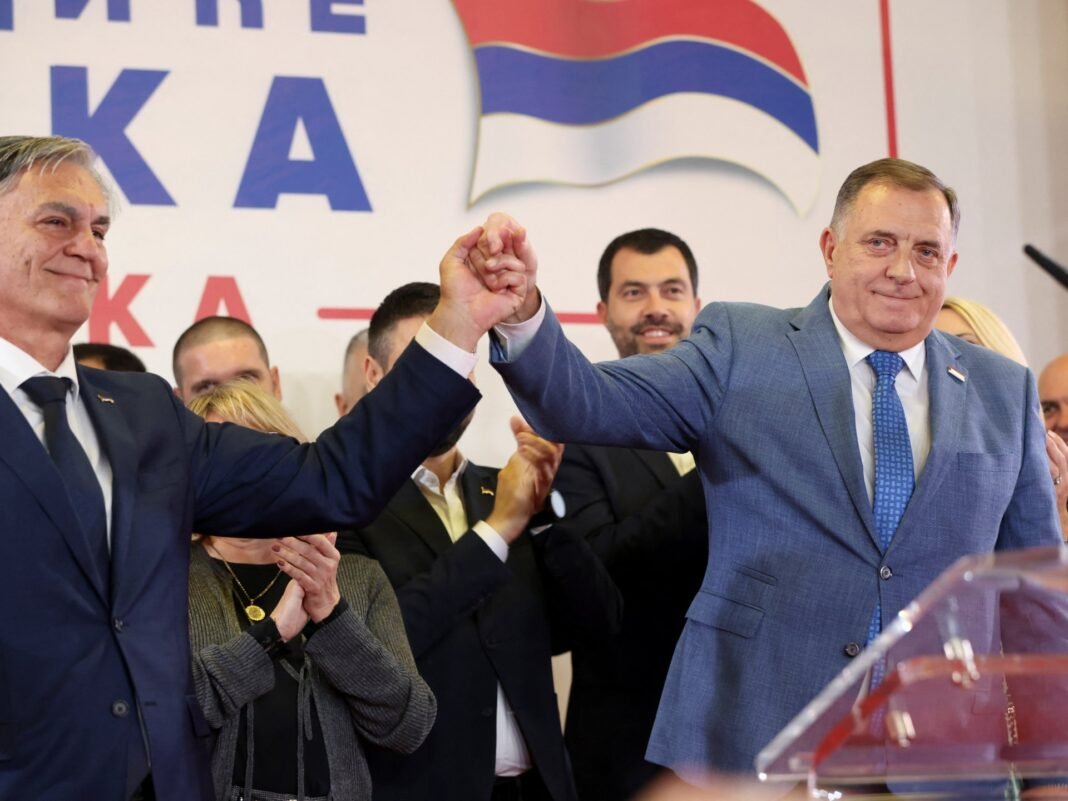
Early results reveal Sinisa Karan secured 50.89% of votes, narrowly edging out Branko Blanusa who received 47.81% support.
Close Contest and Voter Engagement
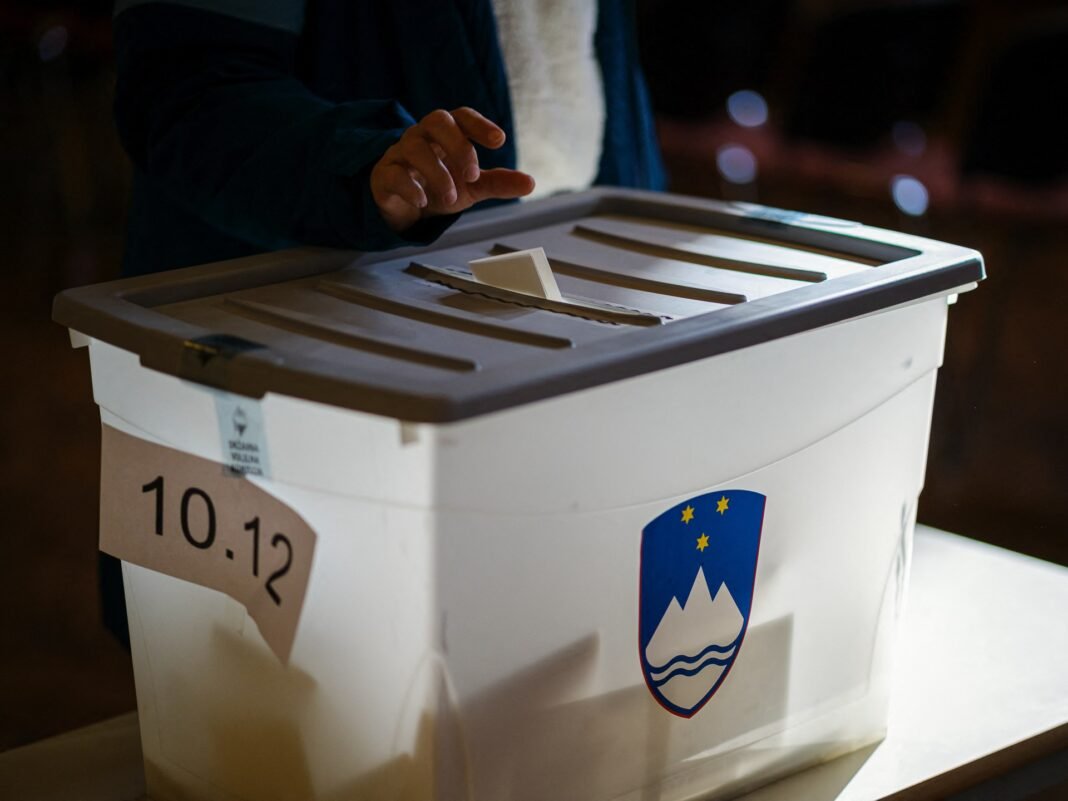
The snap presidential election in BosniaS Republika Srpska concluded with a narrow win for Sinisa Karan, representing the Alliance of Self-reliant Social Democrats (SNSD). According to preliminary counts covering about 93% of ballots, Karan obtained just over half the votes cast.
His main rival, Branko Blanusa from the Serb Democratic Party (SDS), trailed closely behind with nearly 48%.Voter turnout was relatively low at approximately 36%, reflecting participation from an electorate exceeding one million registered voters.
A Transitional Presidency Amid Political Shifts
Karan’s term will be brief as general elections are scheduled for next October,less than a year away. Despite this limited duration, his victory signals a continuation of policies aligned with his predecessor and mentor Milorad Dodik’s political vision.
Karan Pledges to Uphold Dodik’s Legacy
Currently serving as Republika Srpska’s minister overseeing scientific and technological development, Karan promised to pursue Dodik’s agenda “with even greater resolve.” speaking from SNSD headquarters in Banja Luka-the entity’s administrative hub-he declared that “in these challenging times, the Serb people have once again triumphed.”
Disputes Over Election Integrity and Calls for Recounts
The SDS has formally requested re-elections at three polling stations citing alleged irregularities during voting procedures. This challenge highlights ongoing political tensions within Republika Srpska following recent upheavals.
The Election Trigger: Dodik’s Removal from Office
This election was necessitated by Milorad Dodik’s removal after being barred from political activity for six years due to violations related to Bosnia’s international oversight mechanisms established under the Dayton Peace Agreement.
Dodik was ousted in August following a court ruling that found him guilty of defying orders issued by Christian Schmidt-the international High Representative responsible for enforcing peace since the Bosnian War ended in 1995.
Bosnia and Herzegovina: A Complex Political Landscape
Bosnia remains divided into two primary entities: Republika Srpska predominantly inhabited by Bosnian Serbs; and another entity jointly governed by Bosniaks (mainly Muslims) and Croats. both operate under a central government framework designed to preserve fragile peace after ethnic conflicts during Yugoslavia’s breakup resulted in over 100,000 deaths throughout the early 1990s.
Dodik’s Enduring Influence Despite Legal Sanctions
Although sidelined through legal penalties-including fines imposed as alternatives to imprisonment-Dodik continues directing SNSD behind closed doors while promoting separatist ambitions aimed at detaching Republika Srpska entirely from Bosnia. Prior to election day he emphasized his commitment “to stand alongside our people fighting for our shared political goals,” framing Karan’s success as inseparable from his own legacy.
Elections: Instruments of Stability or Division?
Karan portrayed democratic elections as vital mechanisms “to strengthen peace and stability” while enhancing institutional governance within both Republika Srpska specifically and Bosnia more broadly. However, critics warn persistent nationalist rhetoric risks undermining long-term reconciliation efforts fostered since Dayton established this intricate power-sharing system nearly three decades ago.
“The conflict ignited when newly independent Bosnia faced armed resistance from its Serb population seeking territorial autonomy aligned with Serbia,” illustrating deep-rooted ethnic divisions still influencing current politics.”
A Broader Outlook: Lessons From Other Post-Conflict Regions
- This election reflects patterns seen in other post-conflict territories where allies of former leaders maintain influence despite official bans-such as, regions like Abkhazia or South Ossetia-highlighting challenges when entrenched nationalist movements resist integration efforts supported by international actors.
- The low voter turnout aligns with global trends where electoral apathy often accompanies complex identity-based disputes; similar dynamics appear in northern Ireland elections amid ongoing sectarian tensions affecting regional stability across Europe today.
Navigating Fragile Peace Through Electoral Politics in Republika Srpska
The recent presidential vote confirms Sinisa Karan as leader but also exposes continuing fractures within Bosnian Serb politics heavily shaped by Milorad Dodik’s lasting influence despite legal restrictions against him. With less than twelve months before nationwide polls reset leadership dynamics amid unresolved ethnic tensions dating back thirty years-and millions displaced-the path forward remains uncertain yet crucial for preserving peace on one of Europe’s most volatile frontiers today.