Target’s Comprehensive Revamp: Reinventing Core Divisions to Regain Market Leadership
Reimagining Grocery: From Quick Stops to Full Shopping Experiences
Target is intensifying it’s commitment to the grocery sector by broadening its fresh food offerings and boosting the prominence of its private label, Good & Gather. This strategy aims to transform brief grocery visits into more comprehensive shopping excursions, leveraging the insight that over half of Target customers already purchase food items during their trips.
In fiscal 2025, Target’s food and beverage division generated $24.14 billion in revenue, accounting for nearly 25% of total sales and demonstrating steady growth despite stiff competition from Walmart, Amazon Fresh, and discount chains like Aldi.To stand out from conventional grocers, target plans to double fresh produce space in remodeled stores while introducing up to 50% more new products across snack foods and dry groceries.
The retailer is also investing significantly in supply chain enhancements-including a soon-to-open distribution center-to maintain consistent product availability amid these expansions. The overarching objective is clear: position grocery as a primary draw rather than an ancillary purchase at Target.
Introducing Beauty Studio: A New Era for In-store Cosmetics
This autumn marks the rollout of Beauty Studio, Target’s revamped beauty concept replacing former Ulta Beauty shops within over 600 locations alongside an enhanced online platform. The new format will showcase premium brands under optimized lighting conditions paired with expert service and loyalty programs tailored specifically for beauty aficionados.
The refreshed beauty department targets younger shoppers while sustaining solid sales that contributed roughly 13% of overall net revenue last year. Offerings will include trending Korean skincare lines, men’s grooming essentials such as fragrances and beard care products, plus popular national brands like supergoop sunscreen-though full brand details remain confidential.
Fun101: Merging sports Gear with Pop Culture Appeal
The category once known as hardlines has been rebranded Fun101, emphasizing entertainment-focused merchandise including toys, electronic accessories, books, licensed sports apparel, collectible trading cards-and culturally relevant collaborations tied to franchises like Netflix’s “Stranger Things” or milestone celebrations such as “Space Jam.”
This segment accounted for $15.8 billion last fiscal year (approximately 15% of total sales) but showed flat growth year-over-year. Moving forward through late 2026 and beyond, Fun101 will expand fan shops both digitally and in-store featuring officially licensed sports gear alongside dedicated collectible zones catering to hobbyists seeking unique items beyond typical big-box selections.
A Stylish Home Goods Revival Focused on Inspiration & Quality
The home goods category has faced challenges recently due to fierce competition from digital retailers like Wayfair along with brick-and-mortar giants walmart and Costco-as well as specialty chains such as TJX’s HomeGoods or Pottery Barn-resulting in nearly a 7% decline last year with sales totaling $15.61 billion.
Mara Sirhal spearheads efforts aimed at restoring Target’s reputation for stylish yet affordable home décor by refreshing about three-quarters of decorative assortments this summer-including throw pillows, candlesticks, greenery-with bedding updates planned for fall followed by kitchen/dining collections next year.
Store fixtures are also being upgraded ,incorporating elevated wood displays designed to boost shopper engagement while leveraging third-party marketplace partners via Target Plus for bulky items like rugs mattresses furniture unavailable through traditional channels due to size constraints.
Simplifying Apparel: Faster Trend Adoption & Elevated Essentials
The apparel division experienced approximately a 5% decline last fiscal year with revenues near $15.74 billion; however ongoing initiatives utilize AI-driven tools such as Target Trend Brain ,wich analyzes emerging styles colors materials enabling faster turnaround-from design concept-to-shelf timelines now shortened by around forty percent compared with previous cycles lasting six months or longer.
- This technology inspired recent Western-themed collections featuring fringe purses embroidered belts-all priced below $40-and upcoming partnerships including colorful pajama brand Roller Rabbit offering swimwear sundresses pool accessories aligned with seasonal demand spikes.
- Diversification includes expanding Levi’s denim availability across half the store base (over one thousand locations) alongside exclusive capsule collections linked to country music artist Megan Moroney timed strategically around her tour dates.
- Tightening basics quality remains essential; refreshed T-shirts tanks have begun rolling out following triumphant denim upgrades that boosted category sales ten percent annually.
“Our strategy combines data-driven trend forecasting with agile merchandising execution so we can respond faster than ever before,” paraphrased from senior leadership remarks on apparel innovation at Target.
A Transformational Leader Steering Change Across Departments
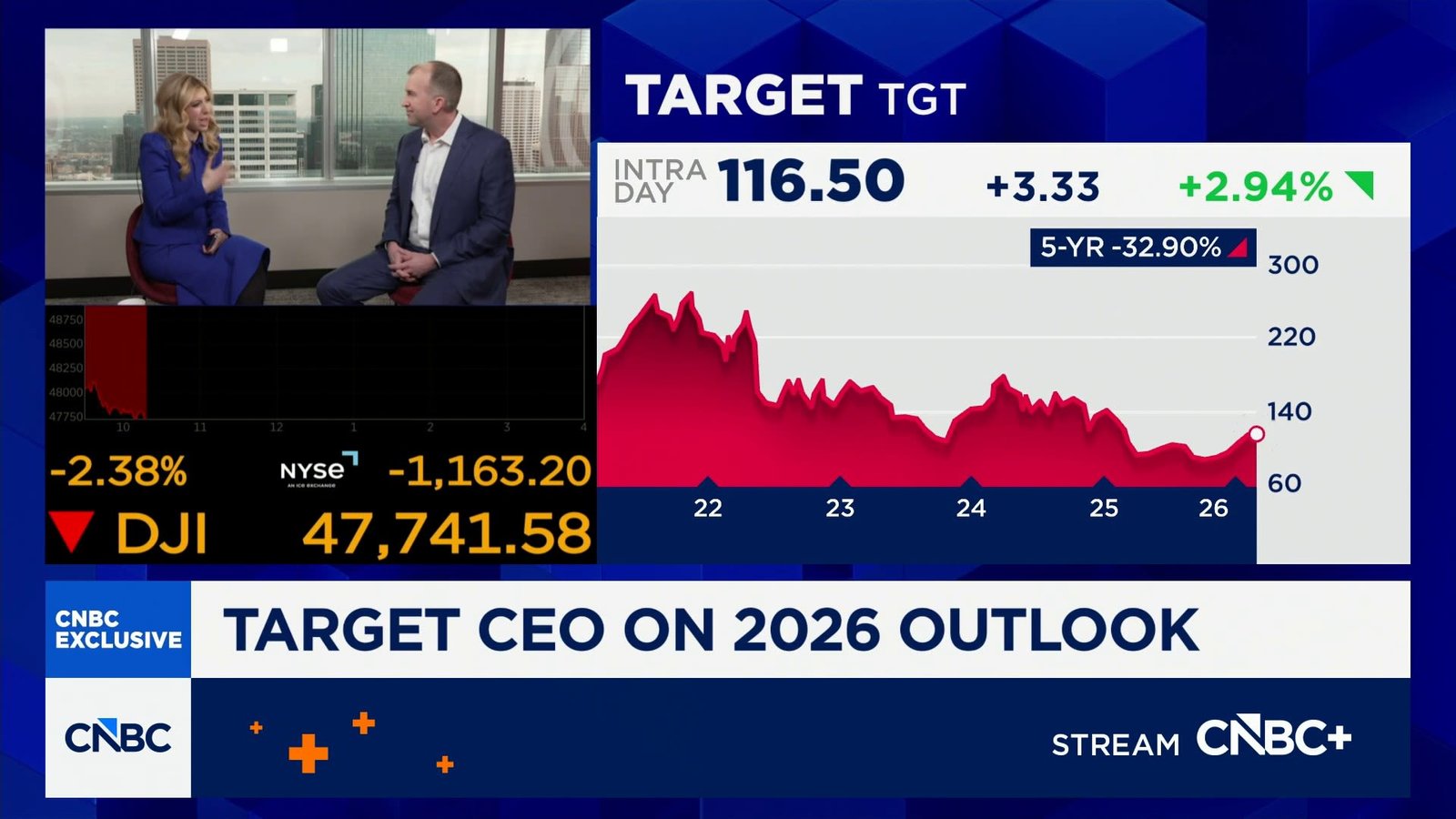
Michael Fiddelke , who took helm earlier this year after decades within the company ranks emphasized during investor briefings that these initiatives represent some of the most significant shifts seen inside any department over ten years-changes customers will notice immediately even though full results require patience given their scale complexity.
“If you mapped every area undergoing change throughout our stores today you’d see more evolution than we’ve witnessed since I joined,” he stated confidently (paraphrased).
Tackling Challenges Amid Ambitious Growth Objectives
- Total revenue stagnation spanning four years combined with slight declines during fiscal ’25 highlight how critical success now hinges not only on reversing traffic losses but achieving projected annual net sales growth near two percent across all quarters moving forward.
- An encouraging sign emerged when shares surged over six percent following announcements signaling Wall Street optimism about ongoing turnaround progress.
- Sustaining inventory levels remains paramount; without reliable stock availability none of these initiatives can realize their potential impact on consumer satisfaction loyalty retention.
A Forward-Looking Blueprint Shaping Retail’s Future at Target
Taken together these strategic moves-from doubling down on fresh groceries elevating prestige beauty experiences energizing pop culture merchandise revitalizing home décor accelerating fashion responsiveness-formulate an integrated plan designed not only restore lost market share but redefine what it means shopping big-box retail amidst evolving consumer expectations post-pandemic economic shifts rising inflation pressures competitive disruption worldwide markets face today.