Critical role of the Strait of Hormuz in Global Security Amid Escalating tensions
Iran’s Partial Closure and Naval Drills in the Persian Gulf
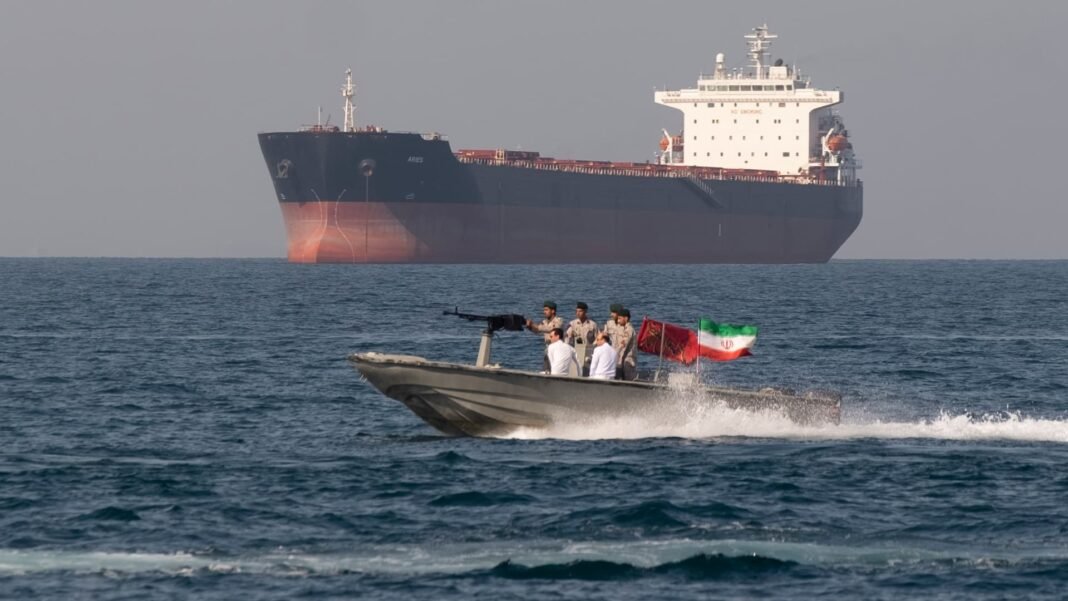
Recently, Iran enforced a limited closure of the Strait of Hormuz, a vital maritime corridor, citing “security measures” as its Revolutionary Guards conducted extensive naval exercises.This action represents an unusual restriction on this narrow passageway situated between Iran and Oman, which functions as a crucial conduit for worldwide oil shipments.
The operation, titled “Smart Control of the Strait of hormuz,” was designed to boost Iran’s tactical readiness and reinforce its deterrence capabilities. During these drills, designated live-fire zones overlapped with major shipping routes, compelling vessels to temporarily avoid specific areas to ensure safety.
Global Energy Supply Chain Dependence on the Strait
The Strait of Hormuz stands as one of the planet’s most essential chokepoints for crude oil transportation. In 2025 alone,nearly 13 million barrels per day-accounting for about 31% of all seaborne crude oil-passed through this narrow waterway. Any interruption here can send shockwaves through international energy markets due to its strategic position linking Middle Eastern producers with consumers worldwide.
This importance was highlighted by recent volatility in oil prices following reports about Iran’s maneuvers alongside ongoing diplomatic talks with the United States. For example, Brent crude futures fell approximately 1.8% to $67.48 per barrel after initial gains were reversed amid concerns over regional stability.
Navigational Challenges for Commercial Shipping Traffic
BIMCO expert Jakob Larsen noted that while temporary closures cause some operational disruptions such as delays or rerouting, they are unlikely to provoke severe interruptions for commercial vessels transiting into or out of the Persian Gulf via this route.
“The live-fire exercise overlaps inbound traffic lanes within the Strait’s Traffic Separation Scheme,” Larsen stated. “Shipping operators are expected to comply by avoiding these zones during restricted periods.”
This level of coordination helps preserve order despite rising tensions; however, it also underscores how delicate maritime security remains around one of energy markets’ most critical junctures.
Diplomatic Negotiations Amid Military Posturing
The partial shutdown coincided with renewed discussions between Tehran and Washington held in Geneva concerning Iran’s nuclear program-a long-standing issue shaping geopolitical dynamics throughout the Gulf region.
Although progress has been made toward establishing foundational principles during these talks, Iranian officials stressed that considerable work is still required before reaching any thorough agreement. Meanwhile, both countries have escalated their military presence near this sensitive corridor as demonstrations of strength and vigilance continue unabated.
Evolving Maritime Security Concerns in Strategic Waterways
the unfolding developments at the strait of Hormuz, combined with ongoing diplomatic efforts over nuclear issues and increased military deployments from both sides highlight how deeply intertwined security challenges are with global economic stability today.
A comparable situation unfolded recently when heightened naval activity near Taiwan raised alarms about potential disruptions affecting semiconductor supply chains-another stark reminder that strategic waterways across continents remain flashpoints profoundly impacting international trade flows worldwide.