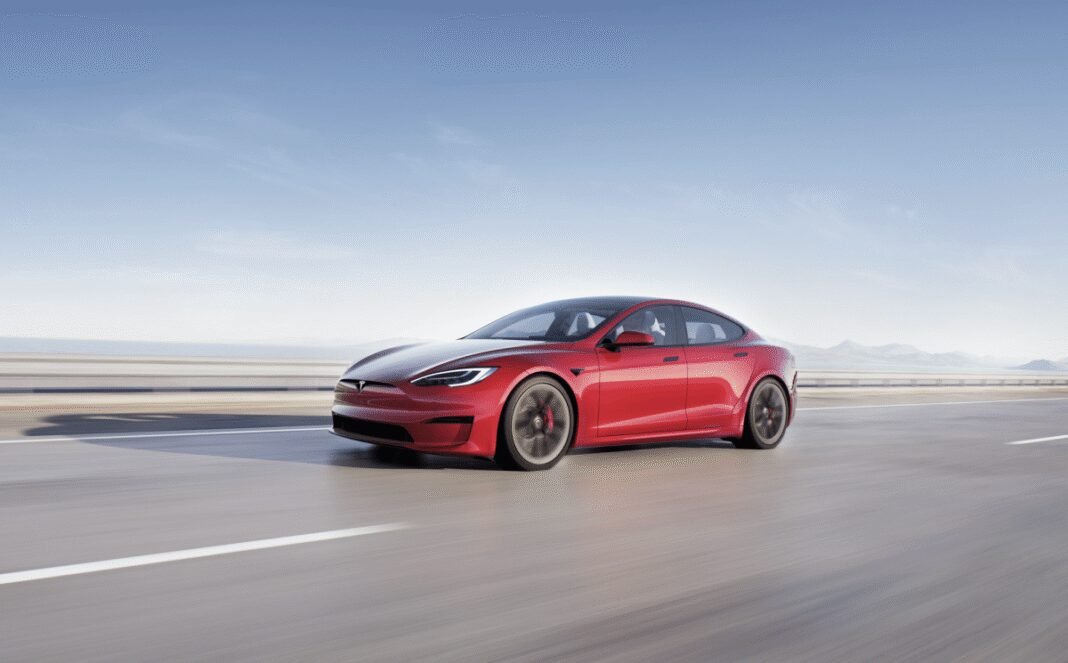
Closing a Chapter: Tesla Ends Production of Model S and Model X
Tesla is officially halting the manufacture of its iconic electric vehicles, the Model S sedan and Model X SUV. CEO Elon Musk confirmed during a recent earnings discussion that production will wrap up following the next quarter, signaling a strategic pivot toward advancing autonomous technologies.
Shifting Gears: From Electric Vehicles to Robotics Innovation
The Fremont assembly plant in California, which has been home to both the Model S and Model X since their launch, is set to transition its operations toward building Tesla’s Optimus robots. Meanwhile, production at other facilities-such as the ongoing manufacturing of the Cybertruck in Austin-will continue without interruption.
The Trailblazing Journey of tesla’s Luxury Sedan
Debuting in 2012 with an initial price tag near $57,400, the Model S was Tesla’s first fully engineered vehicle from scratch. Its innovative floor-mounted battery pack not onyl freed up cabin space but also improved handling dynamics compared to earlier electric cars available at that time.
The sedan quickly captured consumer interest; over 10,000 pre-orders were placed before deliveries began mid-year. By 2013,it earned MotorTrend’s Car of the Year award by outperforming many traditional gasoline-powered rivals.
Tesla continuously enhanced this model by offering multiple battery options tailored for varying range requirements. A standout feature was “Ludicrous Mode,” enabling acceleration from zero to 60 mph in under three seconds-a benchmark that redefined high-performance EVs globally.
Key Innovations That Redefined Industry Standards
- Software-limited larger battery packs allowed customers flexible upgrade paths without hardware changes.
- A comprehensive refresh in 2021 modernized both interior design and exterior styling while preserving class-leading driving ranges still competitive today.
The Complex Evolution of Tesla’s SUV: The Story Behind Model X
The luxury SUV faced a more challenging development path than its sedan sibling. Initially teased before 2012 but delayed until late 2015 due to engineering hurdles with its signature “Falcon Wing” rear doors designed for easier access-the vehicle received mixed feedback regarding build complexity and reliability concerns over time.
Musk once humorously described it as “the Fabergé egg” among cars-highlighting its luxurious appeal alongside delicate manufacturing challenges encountered during mass production efforts.
Despite updates released alongside other models’ refreshes,early-2020s versions still struggled with consistent quality control. Production pauses occurred when scaling issues arose before newer iterations reached full readiness for mass output.
A Strategic Realignment Toward Future Mobility Solutions
This phase-out reflects a intentional shift within Tesla anticipated for several years. leadership statements dating back to the late-2010s suggested these models had become niche products maintained more out of legacy respect than core business focus amid intensifying competition from established automakers entering luxury EV markets as well as emerging players like Rivian or Lucid Motors gaining global momentum.
The Ambitious Yet Challenging Rise of New Entrants Like Cybertruck
Tesla introduced bold plans with its futuristic Cybertruck concept aiming for market disruption through affordability (target base price around $40K) combined with striking design promises targeting annual volumes up to 250,000 units. However:
- Pandemic-related supply chain disruptions considerably delayed launch schedules;
- Complex engineering demands slowed production ramp-up;
- Sales remain modest relative to initial expectations-with quarterly deliveries numbering only thousands rather than hundreds of thousands;
- an anticipated backlog reportedly reaching millions never fully materialized publicly;
- This underperformance indirectly extended reliance on legacy models like S and X within sales categories labeled broadly as “other models.”
Tesla’s Forward-Looking Vision: Autonomy Coupled With Robotics Development
Musk stresses that future growth depends heavily on breakthroughs in self-driving technology paired with robotics innovation rather than traditional car manufacturing alone. This strategic redirection explains why long-standing icons such as Models S and X are being retired despite their foundational role shaping modern electric transportation worldwide across markets now exceeding 10 million EV registrations annually (2024 data).
“Though no longer central pillars moving forward,” these vehicles symbolize how far electrification has progressed-from niche experiments into mainstream mobility solutions influencing global climate objectives.”
A Lasting Legacy on Automotive Innovation & Culture
- Their success built essential consumer trust fueling widespread adoption across diverse demographics;
- Drove competitors toward accelerated electrification strategies contributing substantially toward reducing carbon emissions worldwide;
- Set new performance standards blending sustainability without sacrificing driving excitement previously exclusive to combustion engines;
- Sparked cultural movements inspiring numerous startups focused solely on clean energy transportation alternatives operating internationally today-including China’s NIO or Europe’s Polestar brands competing fiercely within luxury segments once dominated exclusively by internal combustion giants such as BMW or Mercedes-Benz;