Arizona Grants Tesla Permission to launch Robotaxi Operations
Arizona regulators have officially authorized Tesla to operate a robotaxi service within teh state, marking a significant milestone for the automaker’s autonomous ride-hailing ambitions.
Key Regulatory Approval Unlocks Robotaxi Deployment
The Arizona Department of Transportation (ADOT) confirmed that Tesla submitted an application for a Transportation Network Company (TNC) permit on November 13 and successfully met all necessary criteria. As of November 17, Tesla holds the official permit allowing it to offer commercial ride-hailing services using autonomous vehicles in Arizona.
Arizona: A Growing Hub for Autonomous Vehicle Innovation
This approval represents the final regulatory hurdle before Tesla can fully launch its robotaxi fleet in Arizona, a state renowned as a hotspot for self-driving technology advancement and testing.For context, Waymo-the leading player in U.S. robotaxis owned by Alphabet-has been operating its autonomous ride service across Phoenix since 2018. currently, Waymo’s coverage spans approximately 315 square miles throughout the greater Phoenix metropolitan area.
The Legal Framework Behind Autonomous Ride-Hailing in Arizona
Under current state law, companies may conduct autonomous vehicle testing with or without safety drivers through a self-certification process; though, this does not extend to commercial passenger transport services that charge fares. To legally provide paid rides via human or driverless vehicles, firms must obtain a TNC permit from ADOT-a requirement now fulfilled by Tesla.
Tesla’s Path Toward Expanding Its Robotaxi Footprint
Tesla initiated contact with ADOT earlier this year in June to explore certification procedures related to autonomous ride-sharing within the Phoenix metro region. Following this inquiry, the company applied not only for permits covering driver-assisted testing but also fully driverless operations. By September, Tesla had completed Arizona’s self-certification process enabling them to test their automated vehicles on public roads under regulatory oversight.
This move aligns with CEO Elon Musk’s broader strategy targeting multiple states as launchpads for expanding Tesla’s robotaxi network beyond California and Texas.
Current Status of Tesla’s Robotaxi Services Nationwide
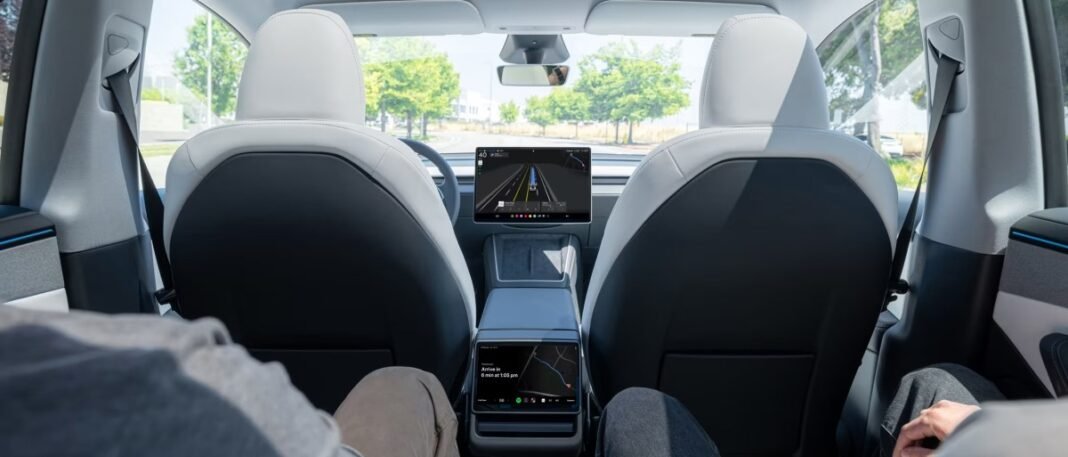
- Austin Pilot Program: In June 2025, Tesla debuted a limited robotaxi pilot in South Austin featuring human safety operators seated alongside passengers while utilizing advanced Full Self-Driving capabilities.
- California Operations: Although lacking formal TNC permits there, Tesla runs an informal ride-hailing setup where employees drive Model Y cars equipped with Full Self-Driving Supervised technology under charter service regulations rather than commercial taxi licenses.
The Future Outlook: What This Means for Autonomous Mobility
Tesla’s newly acquired authorization positions it competitively alongside established players like Waymo within one of America’s most progressive markets for AV deployment. With over 40 million residents nationwide expected to use some form of shared mobility by 2030 according to recent transportation forecasts,robotaxis are poised to transform urban transit landscapes significantly over the next decade.
“the expansion into Arizona reflects growing confidence among regulators and consumers alike regarding safe integration of driverless technologies into everyday transportation,” said industry analysts tracking AV adoption trends worldwide.
The state’s favorable regulatory surroundings combined with robust infrastructure investments continues attracting innovators eager to pioneer scalable autonomous mobility solutions – making it an ideal proving ground as these technologies mature toward mainstream acceptance and widespread usage.