AI-Driven Fruit Dramas: The latest Viral Craze Captivating Millions
From Quirky Concepts to Massive Online Sensations
A recent surge in popularity surrounds AI-generated fruit characters featured in imaginative series like Fruit Paternity Court. This innovative show, hosted on Instagram by the account fruitvillegossip, has garnered over 300,000 views by portraying anthropomorphized fruits embroiled in intense family disputes. As an example, a clementine mother accuses Mr. Mike the mango of fathering her baby tangerine-only for DNA tests to reveal he is not the biological parent.
The unusual premise has unexpectedly hooked viewers, with comments expressing fascination such as “I can’t stop watching these fruit dramas” and eager requests for more episodes demonstrating genuine audience investment.
Darker Narratives Beneath Playful Imagery
Despite their radiant and whimsical appearance,many viral AI fruit videos delve into unsettling themes. Female fruit characters often endure humiliation and violence within storylines that explore infidelity and betrayal. These plots frequently involve out-of-wedlock offspring from unexpected varieties of fruit, leading to harsh repercussions for female characters including verbal abuse or physical punishment.
The content sometimes escalates disturbingly: scenes depict infants being thrown from windows or female fruits subjected to threats like shark chases, blender crushings, or boiling-juxtaposing cartoonish animation with shocking cruelty.
Bizarre Gendered Punishments Highlight Absurdity
A recurring surreal motif involves female fruits facing penalties simply for natural bodily functions such as farting; consequences range from exile to imprisonment imposed by male counterparts. This strange element adds a layer of absurdity while reinforcing problematic gender power dynamics embedded within these narratives.
The creative Process Behind the Viral Drama
The anonymous UK-based computer science student responsible for Fruit Paternity Court explains that crafting scandalous scenarios featuring vividly designed characters is key to attracting viewers. Utilizing advanced text-to-video AI platforms like Google veo and Kling AI alongside OpenAI’s soon-retired Sora tool enables production of vibrant clips inspired by Pixar-style animation combined with exaggerated dramatic flair.
An example prompt reads: “anthropomorphic strawberry character sporting a sassy expression with jeweled crown; glossy red skin; slender cartoon limbs; confident stance; hyper-saturated colors; soft studio lighting.” The style merges polished visuals with absurd storytelling-a blend described as “Pixar-meets-brainrot.”
An Unexpected Use of Beloved Animation Styles
This Pixar-inspired aesthetic contrasts sharply with Disney’s recent decision to discontinue its partnership with openai’s Sora platform-a service originally intended to integrate iconic animated figures into user-generated content realms. Instead, Fruit Paternity Court repurposes this familiar style into tales rife with infidelity and retribution among anthropomorphized produce characters.
Fruit Love island: A Phenomenon Sweeping TikTok Worldwide
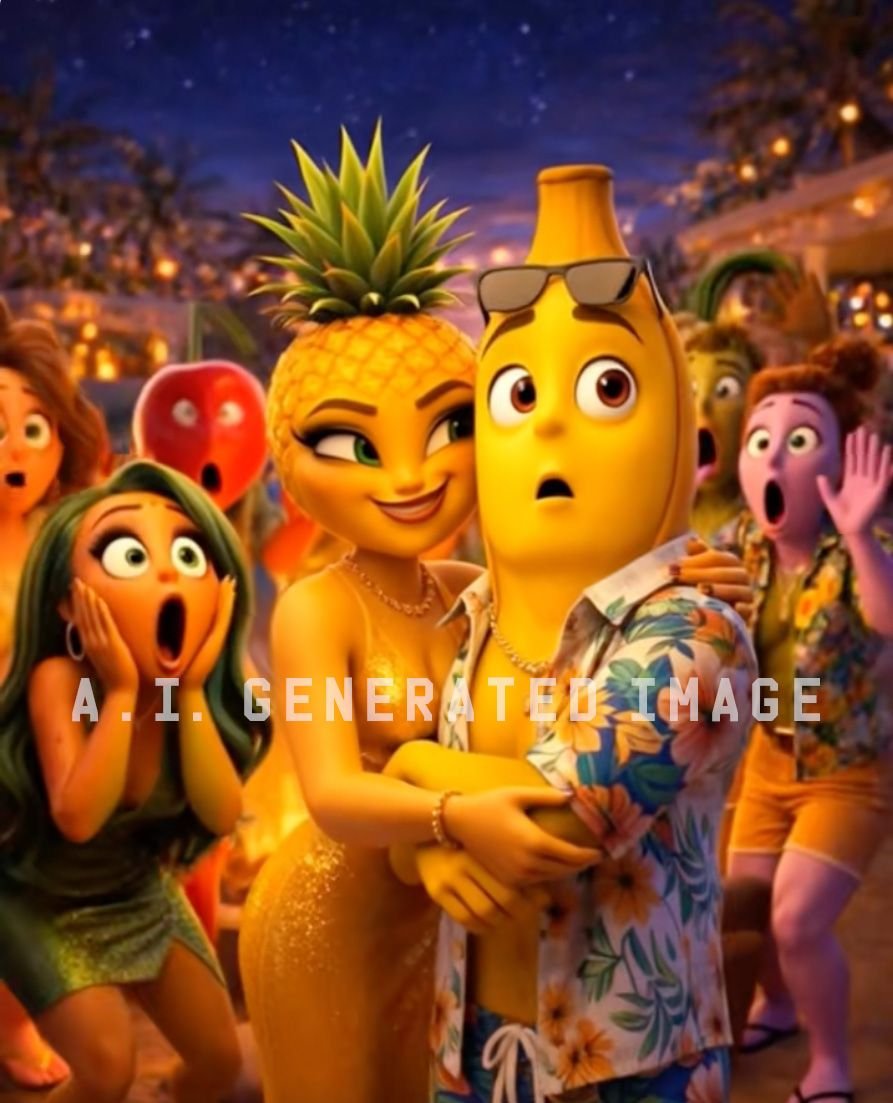
Topping social media charts is Ai Cinema’s parody series Fruit Love Island, which rapidly gained over 3.3 million TikTok followers within just ten days post-launch-and accumulated more than 200 million combined views across 21+ episodes mimicking reality TV tropes closely aligned with its namesake show.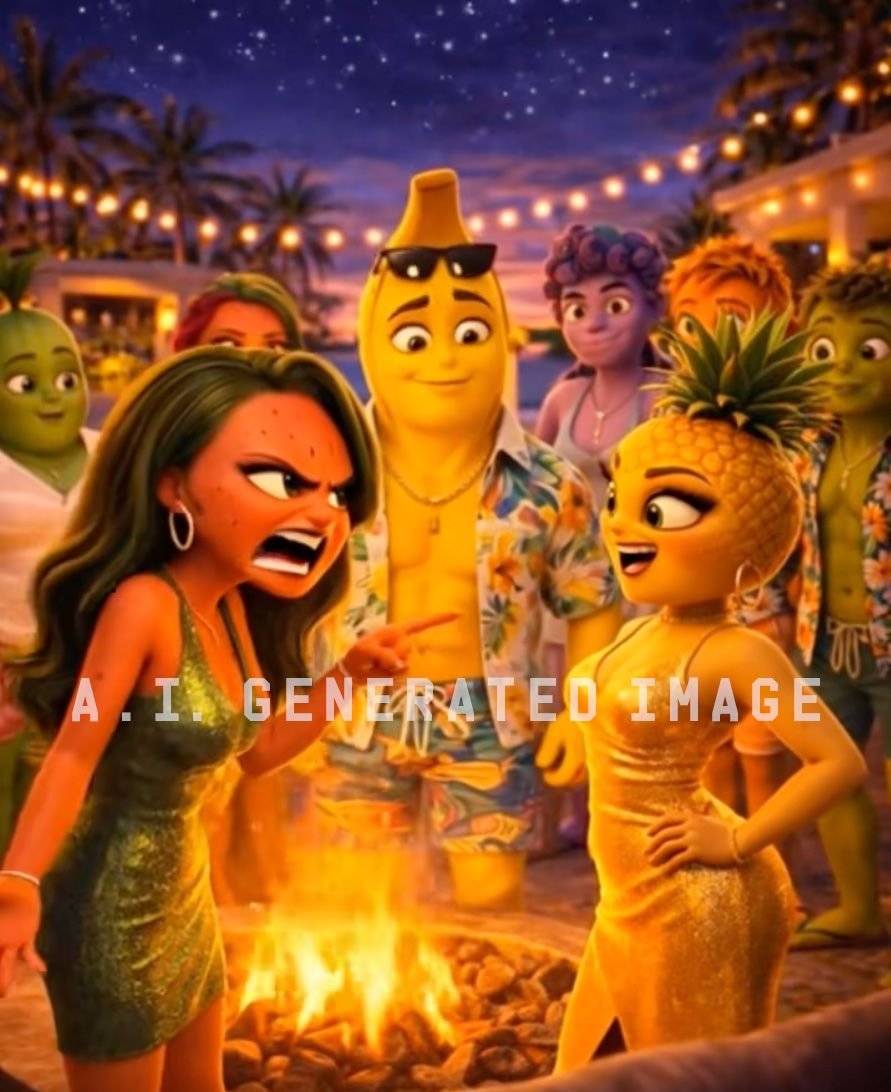
Tense Rivalries Reflect Real-Life Reality TV Conflicts Involving Women
The earliest episodes showcase heated confrontations between female fruits vying romantically-exchanging sharp insults reminiscent of reality television drama such as “bald-headed bitch.” Fans actively participate through memes, fan art submissions, and passionate online debates about character growth-mirroring real-world judgmental attitudes toward women seen on traditional reality shows.
“These portrayals echo actual violence against women depicted on reality programs but lack any regulatory safeguards,” notes media analyst Jessica Maddox at University of Georgia. “Unlike broadcast TV which enforces strict guidelines around harmful content depiction here creators push boundaries unchecked.”
Censorship Challenges Amid Rising Controversy
TikTok has removed multiple videos citing community guideline violations amid reports that mass flagging campaigns target these accounts due to controversial material-even though specific infractions remain undisclosed by moderators.
Despite backlash ranging from anonymous users up to celebrities briefly commenting before deleting posts (such as Zara Larsson), brands have surprisingly engaged under related clips-including prebiotic soda Olipop responding beneath fart-related videos and jerky brand Slim Jim regularly interacting under various episodes.
Some observers speculate this rapid trend growth might potentially be artificially amplified (“astroturfed”) aiming at normalizing low-quality AI-generated entertainment dubbed “AI slop.”
User Interaction & Monetization Outlook Despite Contentious Themes
Maddox highlights analysis showing comment sections contain authentic human engagement rather than bot activity-with many profiles boasting thousands of followers indicating genuine interest instead of automated hype.
Monetization remains limited currently as most accounts are too new for TikTok’s Creator Fund eligibility requiring minimum follower thresholds.
However experts predict significant earning potential if view counts continue scaling into multi-millions per video segment given typical payout rates per thousand impressions online today reaching several hundred dollars depending on niche appeal.
A Flourishing Genre inspired By Popular Culture Tropes
- Evolving franchises: Following initial hits like Fruit Love Island, numerous spin-offs riff off popular teen dramas (< em >The Summer I Turned Fruity) , supernatural sagas (< em >the Fruitspire Diaries) , or dating shows (< em >Food Is Blind).
- < strong>Cultural precedents:  ;Earlier viral phenomena include Italian brainrot meme characters known for quirky educational appeal alongside controversies surrounding disturbing children-targeted youtube channels (“Elsagate”).
- < strong>Narrative microdramas:  ;These short episodic formats resemble vertical microdramas gaining traction globally via platforms investing heavily in bite-sized scripted storytelling designed specifically for social media consumption patterns.
< h4>An Actor’s Perspective On Ethical Concerns In Microdrama Creation
< blockquote >< p >Ben L.Cohen ,an LA -based actor experienced in vertical microdramas ,observes common threads linking human-performed productions & ; AI -generated fruit dramas : pervasive depictions involving violence against women coupled with sensationalist titles crafted purely for shock value . He describes it as “cartoonish abuse – still abuse,” underscoring ethical concerns despite stylized presentation .
< p >Cohen emphasizes how growing integration  ;of artificial intelligence threatens traditional acting roles within clickbait-driven short-form video markets due largely because producing endless volumes cheaply via algorithms far outpaces conventional filming logistics . Simultaneously occurring ,audiences increasingly favor rapid one-minute bursts over lengthy hour-long episodes ,reflecting shifting attention spans accelerated by apps like TikTok .
< h4 >Shifting Viewer Preferences Toward Condensed Digital Storytelling
< blockquote >< p >“How can original shows compete when viewers find one-minute clips more gripping?” Cohen questions referencing comparisons made between actual reality programs versus their faster-paced fruity counterparts.
< p>This shift signals broader transformations underway throughout entertainment industries adapting rapidly toward algorithm-friendly formats optimized around virality rather than traditional narrative depth or production scale.