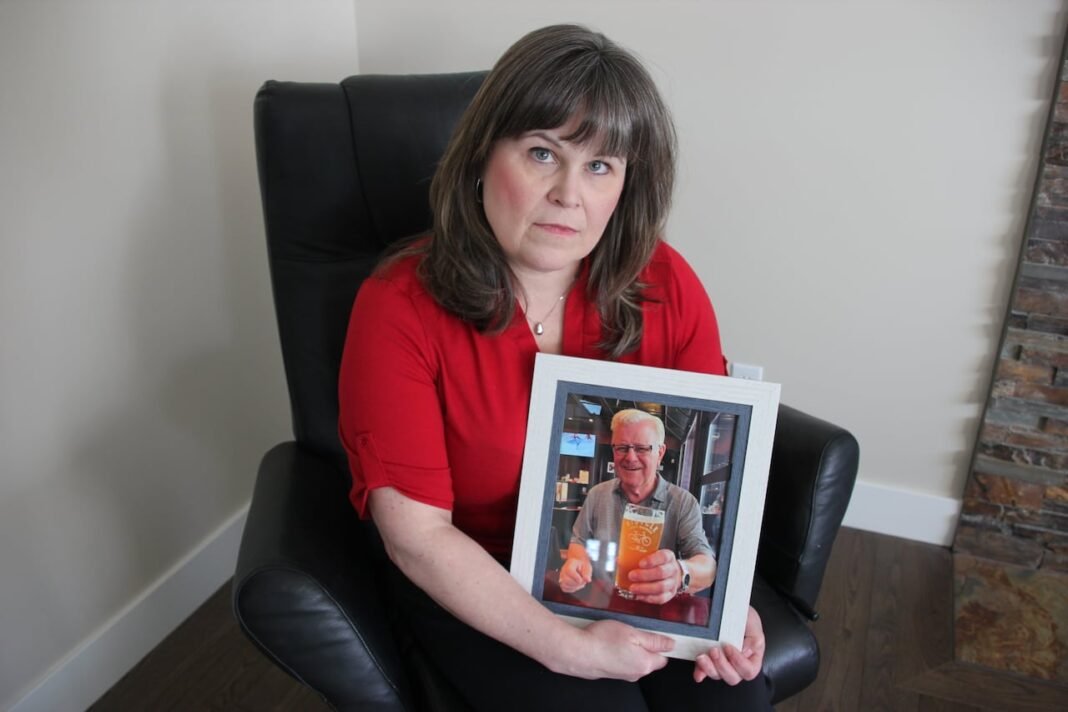
How Religious Policies Shape End-of-Life Decisions: The Case of William Hume
Confronting Limited Choices in Critical Moments
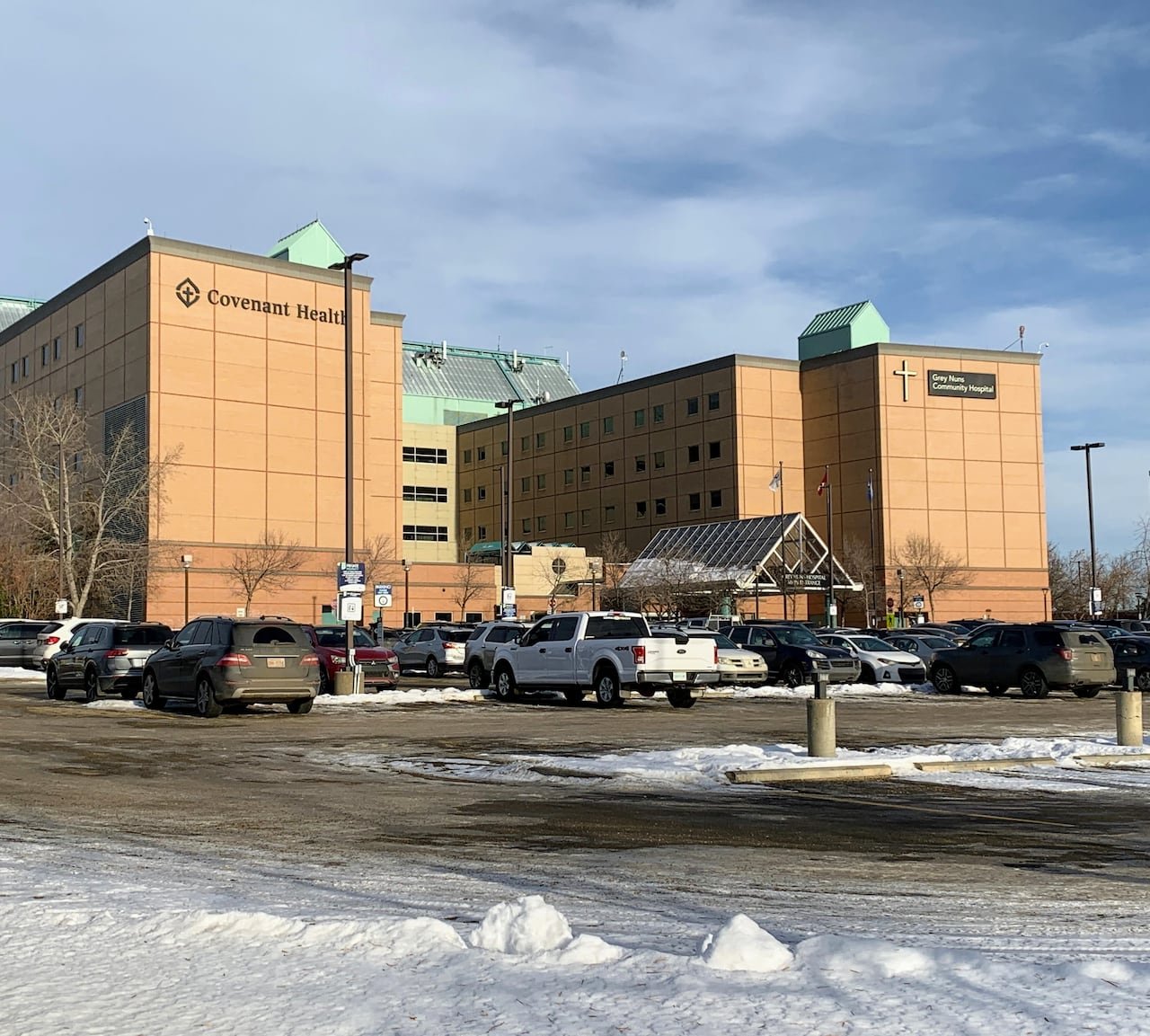
In early September, Stacey Hume sat beside her fatherS hospital bed at Edmonton’s Gray Nuns Community Hospital palliative care unit. Along with her mother and sister, she faced a painful choice presented by medical staff: either risk William dying alone during an ambulance transfer or keep him hospitalized where he might endure several more days without access to his legally approved medical assistance in dying (MAID).
William Hume was diagnosed with advanced gastroesophageal cancer just months earlier. shortly after diagnosis, he received approval for MAID, hoping to maintain control over the timing and manner of his death. However, because Grey Nuns is operated by Covenant Health-a publicly funded Catholic health provider-it prohibits MAID on its premises due to religious doctrine.
This policy forced William into what is known as a “forced transfer,” requiring patients to be moved offsite for assisted death procedures. Tragically,before arrangements could be finalized for such a transfer,William passed away mere hours before his scheduled MAID appointment.
A Life Marked by Vitality and Determination
william had long embraced an active lifestyle; golfing twice daily was part of his routine well into middle age. His family remembers how he envisioned aging gracefully without serious illness interfering.
After returning from a vacation in Palm Springs in April 2025, persistent throat pain led to diagnostic tests-including endoscopy and PET scans-that revealed stage 4 esophageal cancer while the family was camping outdoors. Stacey rushed home promptly to share the devastating news with him.
From that point forward, William made it clear that choosing MAID aligned with his values of personal autonomy rather than any religious belief or tradition.
The Final Days: Navigating Systemic Barriers
By September 2nd, William’s health deteriorated rapidly necessitating ambulance transport to emergency care. Paramedics informed Stacey’s mother that only one ER bed was available citywide-and it happened to be at Grey Nuns Community Hospital.
“We had no real choice but to accept admission there,” Stacey recalled bitterly.
The family soon discovered they would have to coordinate any MAID procedure thru Alberta’s provincial Care Coordination Service themselves-a daunting task amid their grief and urgency.
the Intricacies Behind Forced Transfers
- A certified MAID practitioner must be accessible;
- An appropriate facility permitting assisted death needs identification;
- Nursing support must be arranged;
- Safe patient transportation between locations requires coordination.
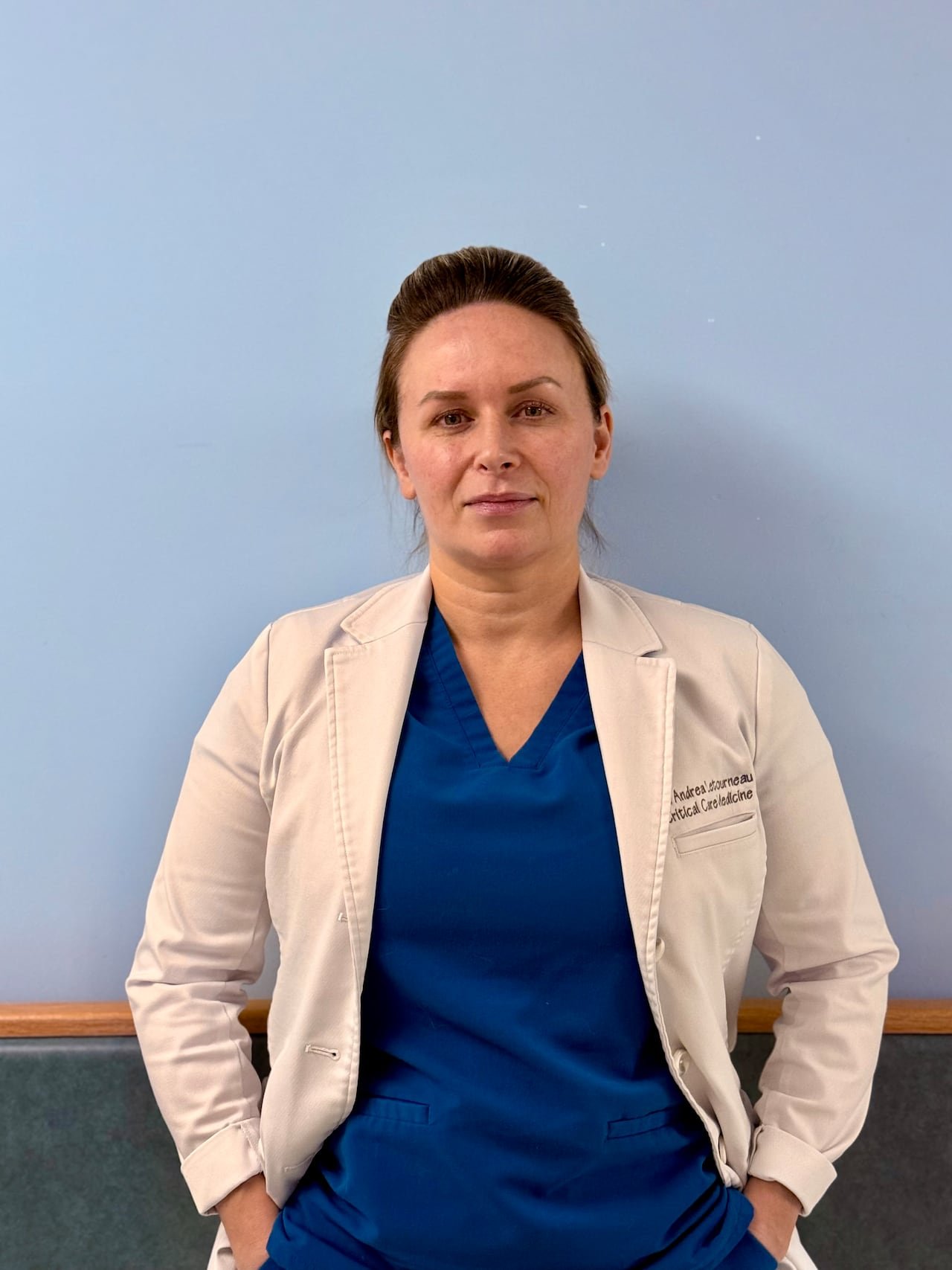
This complex process often causes delays incompatible with patients’ rapidly declining conditions. As a notable example,Dr. Andrea Letourneau-the critical care physician assigned for William’s procedure-was only available during evening hours after exhausting ICU shifts elsewhere and cited logistical challenges related to transportation as additional hurdles.
The Clash Between Medical Care and Religious Beliefs
“A nurse once told us our fate rested ‘in God’s hands,’ which shocked us as Dad wasn’t religious,” said Stacey.
“It felt wrong that religion dictated my father’s final moments.”
The Wider Impact: Faith-Based healthcare Restrictions on Access To MAID
A Growing Barrier Across Canadian Healthcare Facilities
Covenant health is one among several faith-affiliated healthcare providers across Canada whose policies restrict access within their institutions to legally permitted services like medically assisted death-even though these organizations receive public funding supporting their operations.
- LATEST DATA FROM 2024: Nearly 370 individuals nationwide-approximately 2% of over 18,000 who sought medically assisted deaths-were compelled into transfers solely as institutional policies barred onsite provision.
The Emotional Toll Imposed By Forced Transfers
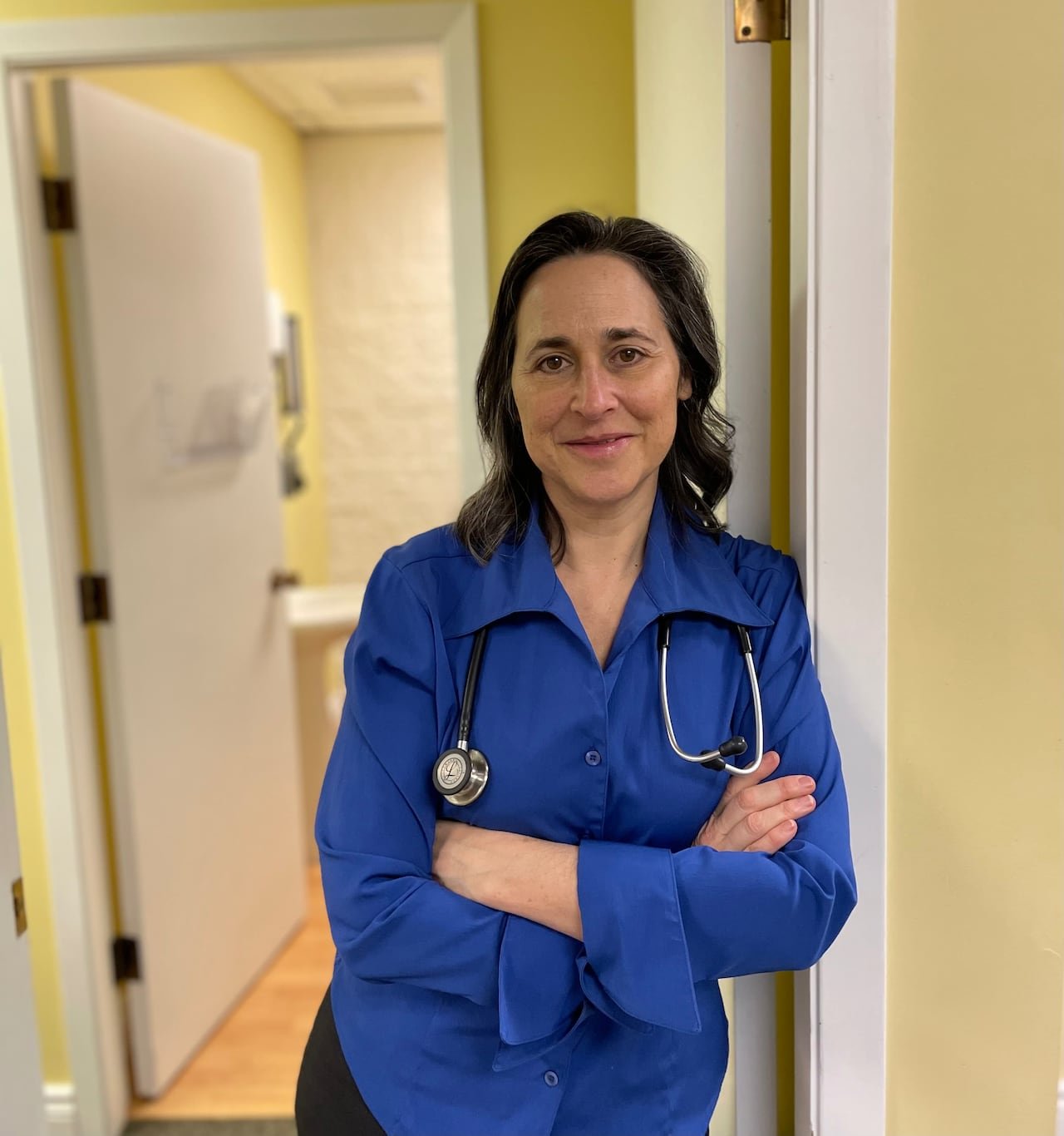
“When two patients sharing the same hospital face drastically different end-of-life experiences simply due to one being admitted under religious ownership-that signals systemic inequity,” explains Dr. Stefanie Green from Victoria BC.
Dr. Green highlights how these transfers inflict needless emotional strain on both patients nearing life’s end and their families already coping with profound loss.
Evolving Legal Challenges And Policy Developments Nationwide
- B.C.’s ongoing legal case questions whether faith-based organizations can continue prohibiting onsite delivery of MAID services-a decision poised potentially setting precedent across Canada.
- Quebec implemented legislation effective since early 2023 mandating all palliative care homes allow medically assisted deaths within their facilities.
- Softer approaches are emerging elsewhere as awareness grows about harms caused by forced transfers; however ideological resistance remains entrenched within many faith-affiliated institutions.
Coping With Loss When Autonomy Is Denied
No formal complaints have been lodged against Alberta Health Services or Covenant Health by the Hume family despite ongoing unrelated legal matters emotionally connected through this experience.
“Dad wanted control over how he died-but what unfolded fell far short of that wish.”


)
))
) )