U.S. Banking Giants and Allegations of Political Bias in Account Closures
High-Profile Claims of Account Terminations by leading Banks
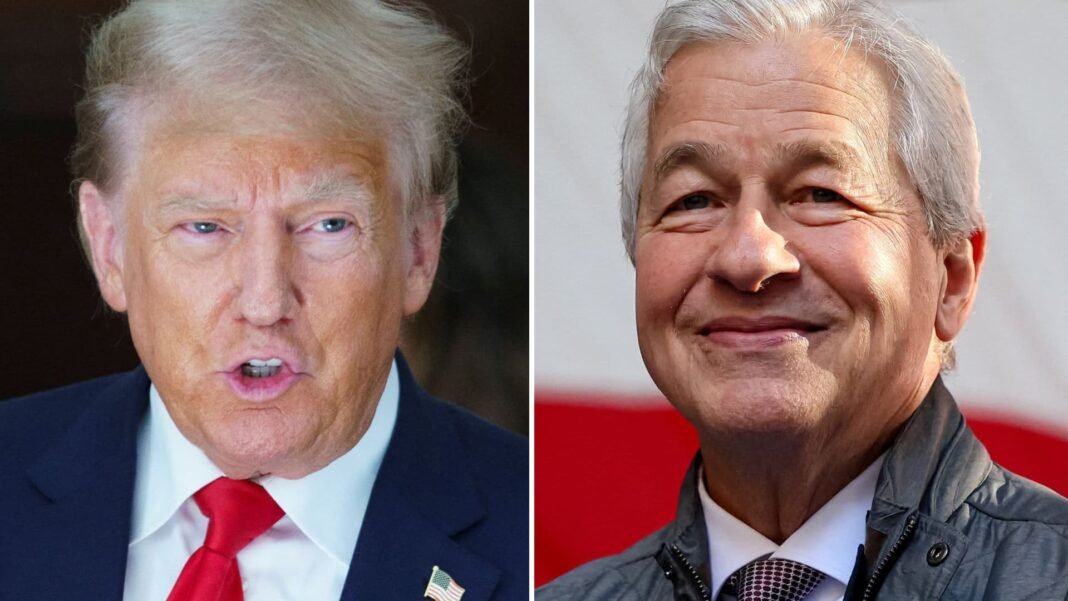
Former President Donald Trump recently disclosed that two major U.S. banks chose to close his accounts, sparking renewed discussions about potential political discrimination within the banking sector. In a CNBC interview, Trump revealed that JPMorgan Chase gave him a 20-day deadline to relocate “hundreds of millions of dollars,” though he did not specify the exact timing.
Following this, Trump attempted to deposit over $1 billion with Bank of America but was informed by CEO Brian Moynihan that the bank could not fulfill his request. Consequently,he distributed large sums-such as $10 million increments-across several smaller financial institutions.
The Wider Debate: De-Banking Concerns Among Conservative and Niche Groups
This controversy is part of a broader narrative where conservative individuals, cryptocurrency entrepreneurs, and faith-based organizations report being unfairly “de-banked” by prominent American banks.While these institutions deny discriminating based on political or religious beliefs, they emphasize adherence to federal laws like the 1970 Bank Secrecy Act aimed at preventing money laundering and fraud.
The cryptocurrency sector has faced intensified regulatory scrutiny due to its perceived elevated risk profile; consequently, some banks have severed ties with clients or industries considered high-risk under current compliance standards.
Navigating Regulatory Complexities Amid Political Accusations
Banks are caught between stringent regulatory requirements and accusations from political figures alleging discriminatory practices against certain customer groups. Many large financial firms benefited from deregulation efforts during previous administrations designed to ease restrictions introduced more recently.
The current goverment is reportedly preparing an executive order targeting financial institutions that terminate accounts based on customers’ political views. This measure would empower regulators to investigate such closures for potential violations and impose penalties if necessary.
Industry Perspectives on Regulatory Challenges
- A leading banking trade group attributes much de-banking controversy primarily to excessive regulatory burdens rather than intentional bias;
- they express optimism about upcoming executive actions encouraging reform in problematic regulatory frameworks;
- Banks highlight ongoing collaboration with government agencies aimed at addressing reputational risks while maintaining compliance;
Legal Disputes Spotlighting Post-January 6 Banking Practices
Tensions escalated when Trump’s organization filed litigation against Capital One for allegedly shutting down over 300 accounts following the January 6 Capitol events-a claim denied by Capital One representatives. These lawsuits illustrate persistent conflicts between certain clients and financial providers regarding account management decisions linked directly or indirectly with political affiliations or incidents.
Banks’ Official Responses Regarding Political Bias Allegations
- JPMorgan Chase: Denies closing accounts due to politics but acknowledges urgent need for regulatory reform; expresses willingness for cooperation with authorities;
- Bank of America: Has declined public comment concerning specific claims related to account denials;
The Changing Dynamics of financial Service Accessibility
This situation highlights how evolving compliance demands intersect with politically charged debates around fairness in banking access today. Recent studies indicate nearly 15% of small businesses face challenges maintaining bank relationships partly because of increased anti-money laundering regulations-reflecting systemic issues beyond isolated cases like those described here.
“Striking a balance between enforcing regulations and protecting customer rights remains one of finance’s most intricate challenges,” industry experts observe as trends continue into mid-2024.

The Path Forward: Harmonizing Compliance With Inclusive Customer Policies
Banks must refine their risk evaluation processes while ensuring fair treatment across diverse clientele amid growing scrutiny over alleged biases tied either directly or indirectly through enforcement policies.
As new guidelines emerge addressing these concerns head-on, stakeholders anticipate clearer frameworks designed both to prevent illicit activities without excluding legitimate customers irrespective of their political beliefs or affiliations.