U.S.-Iran Nuclear Talks: Latest Updates and Regional Consequences
Renewed Diplomatic Initiatives Amid Heightened Regional Strain
Teh United States and Iran are gearing up for another series of negotiations centered on Tehran’s nuclear program, with Washington expressing a clear preference for dialogue despite an increase in military deployments across the Middle East. The reinforcement of American troops in strategic locations highlights the gravity of the situation as talks draw near.
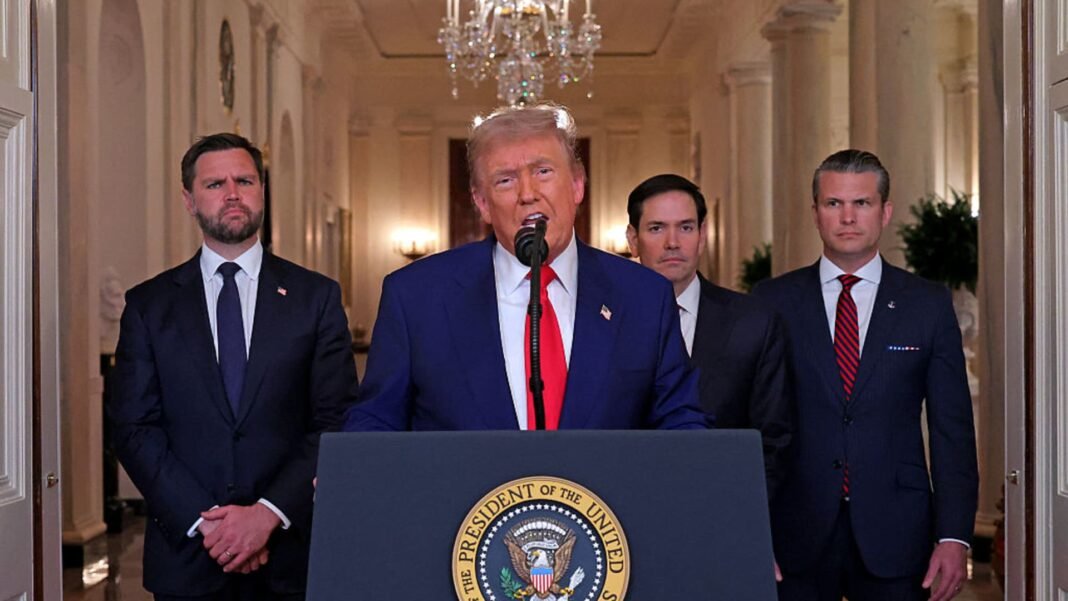
Former President Donald Trump asserted that iran seems more motivated to finalize an agreement than the U.S.,yet a major sticking point remains Tehran’s unwillingness to categorically reject nuclear weapons development. In his recent remarks, Trump pointed out that although Iran seeks a deal, it has not explicitly declared: “we will never have a nuclear weapon.”
Main Obstacles Hindering Agreement
The primary barrier continues to be Iran’s refusal to provide an unequivocal commitment against pursuing atomic arms. Iranian representatives have floated proposals involving limited uranium enrichment restrictions and frameworks for regional collaboration but insist on maintaining their right to enrich uranium alongside demands for easing sanctions.
A senior Iranian official, speaking anonymously, revealed plans that include transferring half of their highly enriched uranium stock abroad and diluting remaining reserves while engaging in creating a regional enrichment consortium. These measures aim to address international apprehensions while safeguarding national interests but require reciprocal concessions from Washington.
Negotiation Strategies and Internal Political Factors
iranian Foreign Minister Abbas Araghchi mentioned ongoing internal debates regarding these proposals, emphasizing that political leadership has yet to grant final approval. Both parties plan to refine negotiation drafts during upcoming discussions scheduled in Geneva this week with hopes for meaningful progress.
Although previous rounds failed to produce notable breakthroughs, iranian President Masoud Pezeshkian described recent talks as yielding “promising signs,” while cautioning stakeholders about preparing for all possible outcomes amid persistent uncertainty.
Military Escalation and Economic Fallout
The surge in U.S. military presence near Iranian borders has amplified fears over potential conflict escalation. Trump warned that if Tehran refuses an agreement, it could trigger “serious consequences,” hinting at targeted airstrikes as leverage within strict negotiation deadlines.
This heightened tension led to evacuation orders for non-essential staff at the U.S. embassy in beirut due to concerns over retaliatory attacks or wider instability spreading throughout the region.
Effects on International Energy Markets
The looming threat of confrontation has already impacted global oil prices notably. West Texas Intermediate crude futures increased by 0.7%, reaching $66 per barrel, while Brent crude climbed above $71 per barrel amid worries about supply disruptions tied directly to geopolitical tensions surrounding Iran’s nuclear ambitions.
“If hostilities intensify further,” market analyst Ipek Ozkardeskaya observed, “U.S crude prices could temporarily surge beyond $80 per barrel before market corrections take place.”
A Complex Chapter Within a Prolonged Standoff
This latest round illustrates both nations’ cautious balancing act-combining diplomatic engagement with strategic deterrence-as thay navigate intricate domestic pressures alongside global expectations.
The resolution remains uncertain; however, these developments highlight how deeply intertwined security concerns are with worldwide economic stability when addressing contentious issues like Iran’s nuclear program under intense international scrutiny.