Rising Conflict: U.S. Warnings and Iranian Retaliation in the Strait of Hormuz Standoff
Trump’s Stark Warning over Iran’s Control of a Vital Maritime route
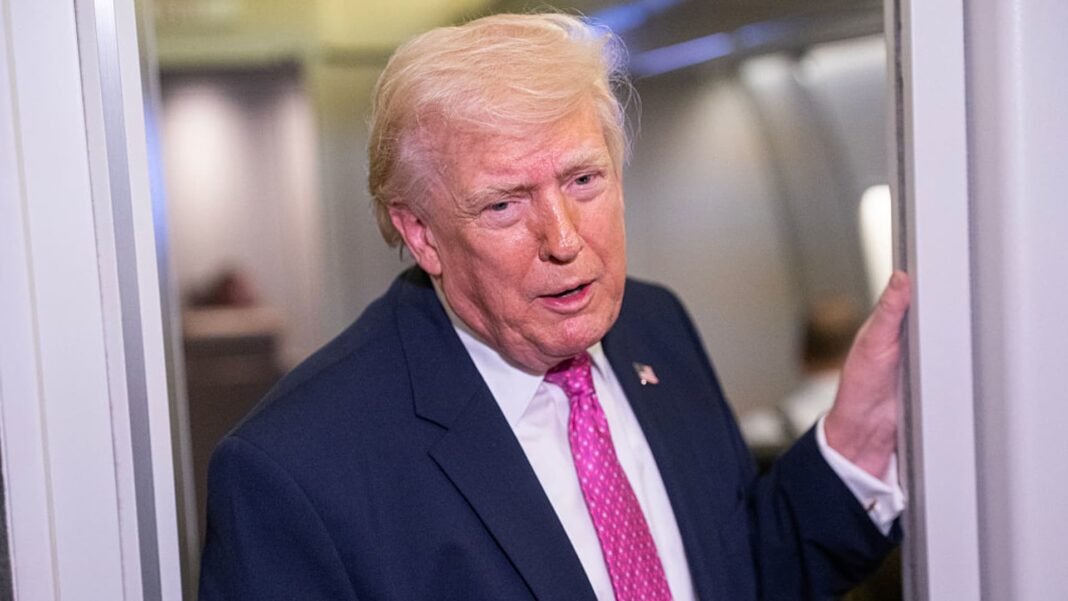
President Donald Trump issued a stern ultimatum via social media, threatening to strike critical Iranian infrastructure such as power plants and bridges if tehran does not reopen the Strait of Hormuz by Tuesday. He warned that those obstructing this essential shipping lane would face dire consequences, describing their situation as “living in Hell” should they fail to comply.
This declaration followed closely on the heels of a daring U.S. rescue operation involving an airman shot down over Iranian territory, underscoring escalating tensions between Washington and Tehran. Trump explicitly labeled the upcoming day as “power Plant Day” and “bridge Day,” signaling imminent military action unless Iran relents.
The Crucial role of the Strait of Hormuz in Global Energy supply
The Strait of Hormuz is one of the world’s most strategic maritime chokepoints, linking Iran with neighboring Arabian peninsula countries. Approximately 20% of global oil exports-around 21 million barrels daily according to 2024 energy data-pass through this narrow waterway. Any disruption here sends shockwaves through international energy markets and threatens geopolitical stability across multiple regions.
In response to mounting pressure from Washington, Oman has stepped forward as a mediator, engaging with Iranian officials to negotiate safe passage guarantees for commercial vessels navigating these waters. Both parties have proposed measures aimed at reducing tensions during these delicate talks.
Oil Market Turmoil: Prices Surge Amidst Regional Instability
The conflict has triggered Brent crude prices to climb above $140 per barrel-the highest level since the global financial crisis in 2008-reflecting immediate supply concerns due to restricted shipping near Iran’s coastlines. This surge intensifies inflationary pressures worldwide while jeopardizing energy security for nations heavily reliant on Gulf oil exports.
Daring U.S. Military Rescue highlights Operational Risks Near Hostile Borders
A recent high-risk search-and-rescue mission saw American forces recover two service members after their F-15E Strike Eagle was downed over iranian territory during combat operations. while one pilot was swiftly rescued post-ejection, another was retrieved hours later from rugged mountainous terrain inside Iran despite sustaining serious injuries.
this operation highlights both the dangers faced by U.S personnel operating close to adversarial borders and Washington’s unwavering commitment to recovering its troops under extreme conditions without compromise.
Escalating Military Actions Targeting Iranian Infrastructure
CENTCOM confirmed ongoing strikes against key Iranian facilities designed to weaken Tehran’s regional influence capabilities while warning that further attacks will persist until strategic goals are achieved. These military actions coincide with president Trump’s explicit threats targeting civilian infrastructure-a move widely criticized internationally for possibly breaching humanitarian laws prohibiting assaults on non-combatant targets.
iranian Drone Strikes Hit Petrochemical hubs Across Gulf States
In retaliation against U.S.-led airstrikes, iran launched coordinated drone attacks targeting petrochemical installations vital for several Gulf economies:
- Kuwait: Drone strikes caused fires at power plants and petrochemical units managed by Kuwait petroleum Corporation (KPC), including damage at Shuwaikh oil sector complexes housing government offices; operations were disrupted but no casualties occurred.
- Bahrain: Attacks ignited blazes at national oil storage facilities alongside state-run petrochemical plants temporarily affecting production without reported injuries.
- United Arab Emirates (UAE): Debris from intercepted drones sparked multiple fires at Borouge’s Al Ruwais Industrial City plant leading authorities to suspend operations pending damage evaluation efforts.
The Economic Backbone: Petrochemicals’ Role in gulf Stability
The petrochemical sector forms an economic cornerstone across these nations by converting hydrocarbons into plastics, fertilizers, polymers-and generating billions annually through exports crucial for regional resilience amid geopolitical unrest.
Disruptions threaten local economies directly while also impacting global supply chains dependent on these materials used extensively-from automotive manufacturing components to agricultural products worldwide.
Mediation Efforts Gain Momentum: Pakistan Facilitates Dialog Between Adversaries
Iran has cautiously welcomed peace mediation led by Pakistan aimed at brokering ceasefire agreements between Tehran and Washington; though, it insists on terms perceived as equitable rather than mere capitulation under external pressure.
Pakistani officials report steady progress toward facilitating dialogue despite entrenched mistrust among parties involved in this protracted conflict now extending beyond six months into 2026-far surpassing initial expectations set earlier this year.
“Our priority is achieving terms that led toward a definitive END-not just temporary pauses,” emphasized an Iranian foreign ministry spokesperson highlighting sovereignty concerns amid international calls for restraint.”
A Crossroads Between Escalation and Diplomacy: What Lies Ahead?
This volatile crisis continues evolving rapidly without any clear resolution yet visible; military confrontations intensify even as diplomatic channels cautiously open pathways toward negotiation.
Global observers remain vigilant as control over strategic waterways becomes increasingly contested zones where economic interests clash with national security imperatives shaping future regional dynamics throughout 2026 and beyond.
Energy markets already strained by pandemic recovery challenges brace themselves against further shocks amid shifting alliances redefining Middle Eastern geopolitics more profoundly than ever before today.