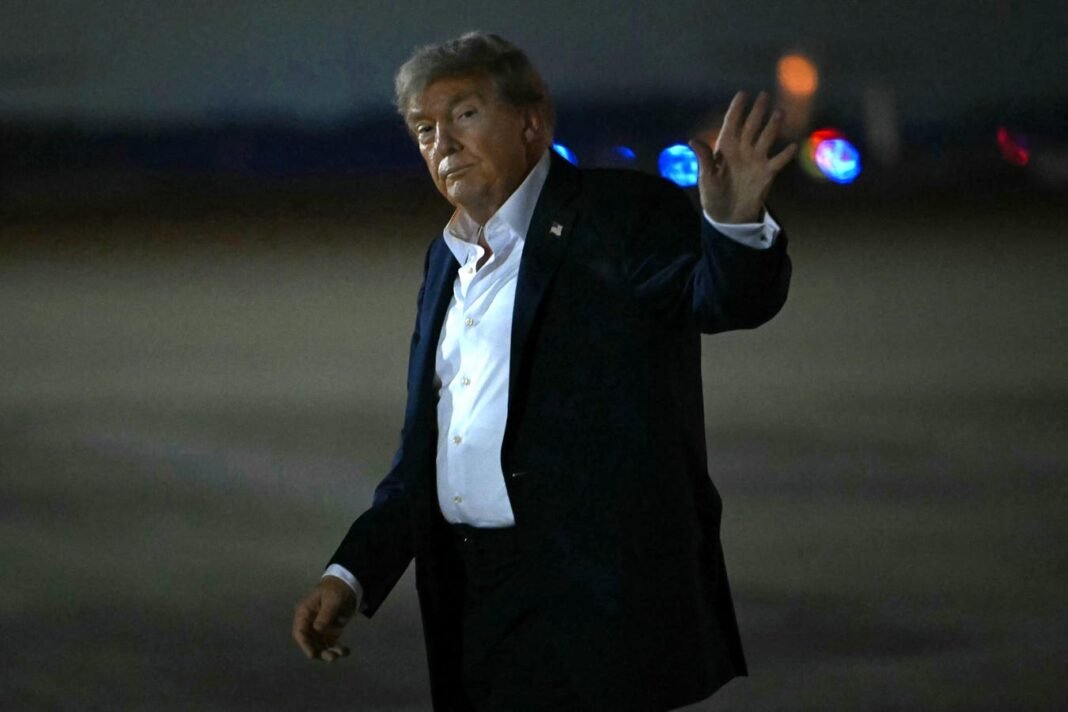
Trump’s Initiative to End Mail-In Voting and Electronic Ballots Before the 2026 Midterms
Former President Donald Trump has unveiled a plan targeting the elimination of mail-in voting and electronic ballot machines ahead of the 2026 midterm elections. He criticized these voting methods as unreliable and prone to fraud, even though he encouraged his supporters to vote early in person for the 2024 presidential election.
Executive Measures Proposed to Reform Election Procedures
Through his social media channels, Trump announced his goal to issue an executive order aimed at “restoring integrity” in federal elections by banning mail-in ballots and replacing what he called “costly, error-prone, and highly disputed electronic voting machines.” Instead, he promotes switching to “cutting-edge Watermark Paper” ballots that he claims offer greater security.
He also suggested that states function as extensions of the federal government when tallying votes, implying they should adhere strictly to federal directives on election conduct. However, election oversight is primarily a state responsibility within limits set by Congress. Any executive attempt to override state control over elections is likely to face notable legal opposition.
the Shift in Trump’s Position on Absentee Voting
This new stance contrasts sharply with Trump’s earlier views during the 2024 cycle when he supported mail-in voting after previously denouncing it as fraudulent following his loss in 2020. His evolving rhetoric mirrors ongoing national debates about securing elections amid changing voter habits.
A Disputed Claim Involving International Agreement
In a recent television interview,Trump asserted that Russian President Vladimir Putin agreed with him during their Alaska meeting that mail-in ballots contribute heavily to electoral fraud. He further claimed Putin endorsed his baseless assertion that he was the rightful winner of the 2020 presidential race-an allegation repeatedly disproven through extensive investigations and court rulings.
The Current Role of Mail-In Ballots in U.S. Elections
Mail-in votes represented roughly 30% of all ballots cast during the 2024 U.S. presidential contest-a decrease from nearly 43%, which was recorded at peak pandemic absentee participation levels in 2020. this decline reflects shifting voter preferences post-pandemic but also highlights how essential absentee options remain for many Americans seeking flexible voting methods.
Navigating legal Challenges Around Election Reform Efforts
The former president had previously signed an executive order prohibiting counting late-arriving mail ballots after election Day while requiring proof-of-citizenship verification for voters-policies later invalidated by courts due to constitutional conflicts. Experts consistently find no credible evidence supporting widespread manipulation via electronic machines or absentee ballots capable of altering national results.
A Global View: Electoral Security Issues Across Democracies
Countries worldwide face similar challenges balancing voter accessibility with safeguarding against fraud within their electoral frameworks. For example,Canada recently upgraded its paper audit trails following cyberattacks targeting digital vote-counting systems during municipal elections-a reflection of global efforts aimed at protecting democratic processes without disenfranchising voters through overly restrictive rules.
- Technological Innovations: Some nations are experimenting with blockchain-based voting trials; though, concerns about transparency and security persist internationally.
- Court Oversight: Judicial systems frequently intervene when disputes arise over new laws affecting voter access versus anti-fraud measures.
- Civic Trust: Maintaining public confidence depends heavily on clear interaction regarding vote collection procedures amid widespread misinformation campaigns online.
The Necessity for Data-Driven Election Policies
“Crafting secure yet accessible election policies demands reliance on verified evidence rather than unproven claims.”
This approach remains vital as lawmakers consider reforms impacting millions who depend on diverse voting options-from early in-person casting at community hubs like libraries or schools-to remote ballot submissions designed for military personnel abroad or individuals facing mobility challenges-needs increasingly relevant given America’s aging population trends today.