Trump Voices Criticism Over Time Magazine Cover Despite Commendation for middle East Peace Initiatives
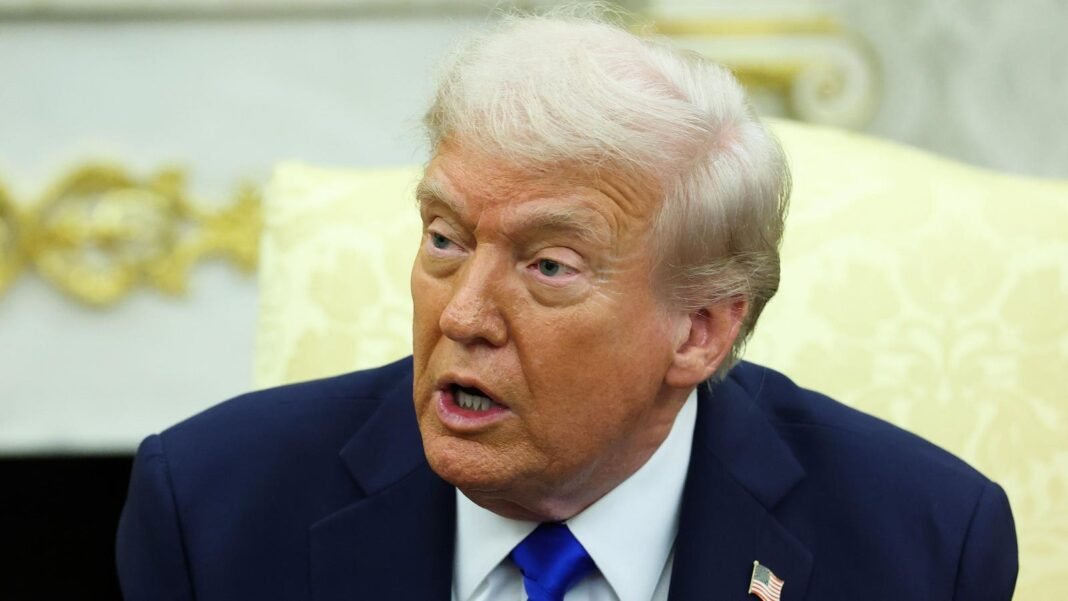
President Donald Trump publicly expressed his dissatisfaction with the photograph selected by Time Magazine for its latest cover, even though the article praised his efforts in securing the release of Israeli hostages and Palestinian detainees. The image, taken from a low angle with sunlight streaming behind him, was sharply criticized by Trump for presenting an unflattering depiction.
Why Trump Found the Cover Photo Problematic
In a morning post on Truth Social, Trump acknowledged that while Time’s written piece was “relatively good,” he considered the accompanying photo to be “possibly the Worst of All Time.” He noted that the lighting made his hair nearly disappear and pointed out an unusual halo-like effect above his head resembling a small floating crown.He reiterated his aversion to photos captured from such low perspectives, calling this particular image “super bad” and deserving of public scrutiny.
A Diplomatic Breakthrough Highlighted on the Cover
The feature story titled “His Triumph” spotlighted Trump’s peace plan as a defining achievement potentially shaping what could be viewed as a second presidential term legacy. This initiative seeks to transform Middle Eastern relations through strategic diplomacy. Recently, Hamas released 20 remaining hostages held in Gaza while Israel freed roughly 2,000 Palestinian prisoners during an Egypt-hosted summit where leaders endorsed Trump’s comprehensive 20-point peace framework.
Main Components of Trump’s Peace Framework
- Neutralizing Hamas’ military strength and confiscating their weapons arsenal.
- An assurance that Israel will neither annex nor occupy Gaza territory moving forward.
- The creation of an interim Palestinian governing council overseen by an international commitee to maintain stability throughout transitional phases.
Trump’s History of Objecting to his Visual Representations
This is not President Trump’s first time voicing displeasure over how he is portrayed visually. In March, he condemned a portrait displayed at Colorado’s state capitol as deliberately distorted beyond recognition and called on Governor Jared Polis to remove it. Other past grievances include complaints about viral images showing uneven tan lines or windswept hair during his presidency; he accused media outlets of manipulating photos to undermine him politically. Additionally, in 2017 following his election victory, he criticized book cover art depicting him unfavorably.
notable Instances Reflecting Past Reactions:
- Colorado Capitol Portrait: Labeled as “intentionally distorted,” prompting demands for removal due to perceived misrepresentation.
- Tanned skin Photo (2020): deemed “photoshopped” despite natural weather effects; dismissed as fabricated news aimed at discrediting him.
- “Unprecedented” Book Cover (2017): Publicly denounced for using what he called “worst cover photo,” portraying him negatively after winning office.
Mixed Reactions From Supporters and Opponents Online
The choice of photograph ignited varied responses across social media platforms among both supporters and critics alike. Some conservative voices condemned Time Magazine’s decision to feature such an unflattering image at a moment when they believe Trump’s accomplishments should receive prominent recognition. As a notable example, Kari Lake described it as “fake news,” criticizing editorial judgment on platforms where she holds meaningful influence. Similarly, Mario Nawfal-a well-known conservative podcaster with millions following-denounced the cover as intentionally poor quality compared with more flattering portrayals given recently to Democratic figures like Joe Biden or Kamala Harris.
“Time magazine uses the most unflattering photos… when they should be honoring him.”
The Larger Implications: Media Imagery Versus Political Achievements
This episode highlights ongoing friction between political leaders’ efforts at managing their public image and media practices amid critical geopolitical developments involving hostage releases and peace negotiations in sensitive regions such as Gaza-Israel relations-areas where diplomatic progress remains scarce yet globally significant today.
As international focus intensifies on these conflict resolution attempts backed by complex agreements involving multiple stakeholders-including regional powers-the visual framing of leaders can shape public opinion alongside substantive policy results.
With over twenty years as major Middle Eastern peace accords gained widespread global attention,Trump’s involvement here represents one among few recent endeavors aiming toward lasting solutions supported by concrete prisoner exchanges coupled with governance reforms under multilateral supervision.