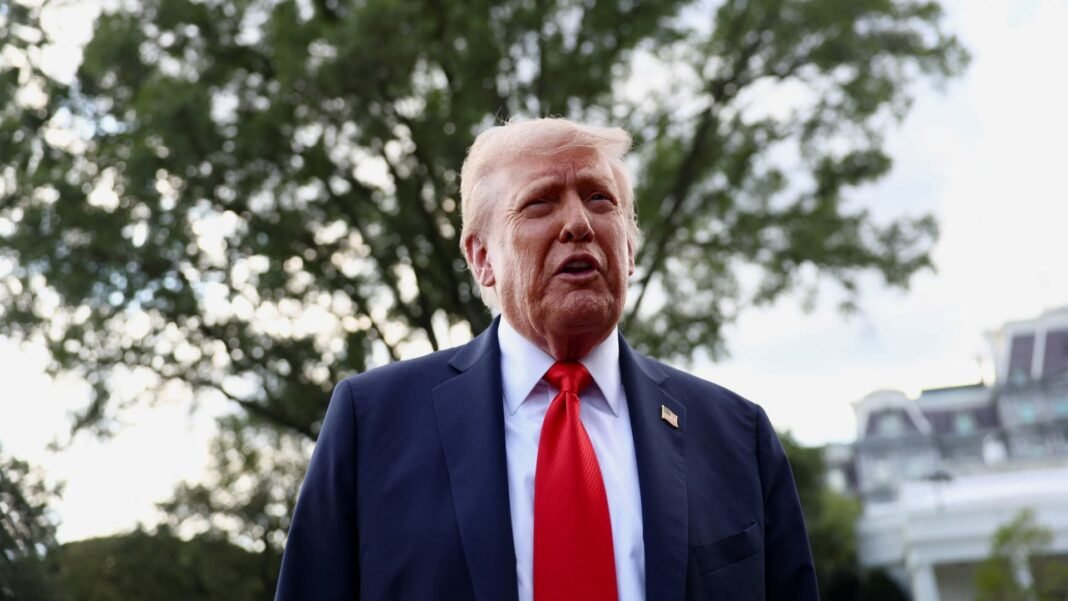
Trump Advocates for Unified Sanctions and Tariffs Amid Russia-Ukraine Crisis
Calls for NATO to End Russian Oil Purchases
Donald trump, former president of the United States, has voiced his willingness to enforce stringent sanctions on Russia, but only if every NATO member halts their imports of Russian oil. he stressed that a collective and synchronized effort among these countries is crucial before any effective punitive measures can be applied.
Pointing out the persistent energy dependencies some European nations maintain with Moscow, Trump criticized countries such as Hungary and Slovakia for continuing to buy Russian fossil fuels. He argued that this undermines the alliance’s ability to present a united front against Russia’s aggression.
Leveraging Tariffs Against China’s Influence
Beyond targeting Moscow directly, Trump suggested imposing tariffs between 50% and 100% on Chinese imports. His rationale was that such economic barriers would weaken China’s sway over Russia during the ongoing conflict in Ukraine. However, he proposed lifting these tariffs once peace is restored in the region.
This approach reflects growing concerns about Beijing’s expanding geopolitical role across Eurasia amid the war.By restricting trade with China, policymakers aim to diminish its economic leverage over Moscow and curb its strategic ambitions.
The Strategic Calculations Behind Economic Sanctions
Analysts believe Trump’s reluctance to fully isolate Russia stems partly from hopes of facilitating negotiations between Kyiv and Moscow. There is also worry that a total defeat of Russia could drive it into an even closer partnership with China-potentially shifting global power dynamics considerably.
“A decisive loss for Russia might push it deeper into China’s orbit,” observed Chris Weafer, CEO of Macro-Advisory in Moscow. “Such an alignment could alter international balances profoundly.”
NATO’s Commitment Under Intense Examination
The former president’s remarks highlight his demand for greater resolve from NATO allies in bringing an end to hostilities swiftly. He condemned what he views as half-hearted efforts by certain members who continue economic dealings with Russia despite ongoing warfare.
“NATO has not demonstrated full commitment; continued purchases of Russian oil weaken our collective position,” Trump declared publicly through social media channels where he shared open letters urging coordinated global action.
The Energy Challenge: Europe’s Reliance Complicates Unity
- Hungary & Slovakia: These nations remain heavily dependent on Russian gas due to limited option sources, making enforcement of EU-wide sanctions more difficult.
- Evolving EU Energy Strategies: The European union plans to eliminate reliance on Russian fossil fuels by 2027 but faces meaningful infrastructure constraints delaying immediate cessation efforts.
- A U.S. Perspective: U.S. Secretary of Energy Chris Wright underscored the urgent need for all European countries to cut ties with Russian energy supplies promptly as part of broader initiatives aimed at ending conflict in Ukraine.
The Wider Implications: Economic Pressure as a Pathway Toward Peace
The combination of sanctions against Moscow and tariffs targeting Beijing represents a multifaceted strategy designed not only to penalize military aggression but also counterbalance geopolitical alliances threatening Western interests. Coordinated policies among NATO members seek both swift conflict resolution and long-term reshaping of international relations after hostilities subside.
A Modern Parallel: Semiconductor supply Chain Disruptions Linked To Geopolitics
This scenario echoes recent disturbances seen within global supply chains-such as those impacting semiconductor manufacturing due to geopolitical tensions-where targeted economic actions produce ripple effects far beyond their initial scope yet ultimately aim at stabilizing critical industries worldwide through diplomatic pressure rather than prolonged military escalation.