Trump Sets Date for Summit wiht Putin Amid Ongoing Ukraine Crisis
Alaska Chosen as Venue for High-Stakes Diplomatic Talks
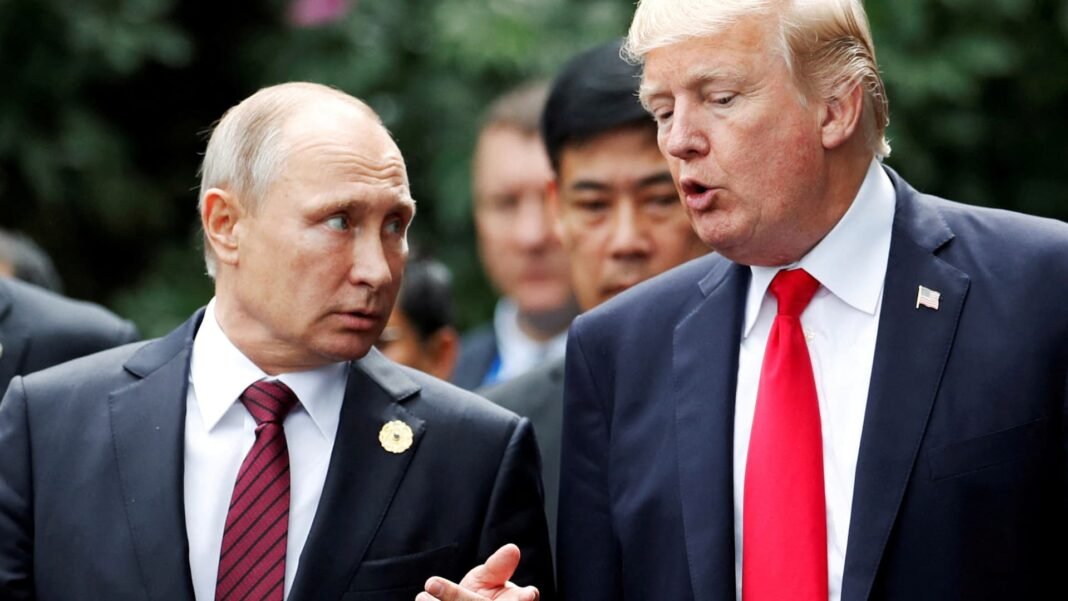
President Donald Trump has announced plans to meet Russian President Vladimir Putin in Alaska on August 15, 2025. this summit is intended to tackle the escalating tensions stemming from Russia’s military involvement in Ukraine and aims to explore avenues toward conflict resolution.
In a social media statement, Trump confirmed, “Next Friday, I will sit down with president Vladimir Putin in the great state of Alaska,” promising further details as the date approaches.
Renewed Efforts to Address Prolonged Conflict
This meeting follows intensified diplomatic initiatives by the U.S. administration focused on ending the protracted war in Ukraine-a conflict that has caused immense humanitarian and geopolitical repercussions since its inception.Recently, U.S. Special Envoy Steve Witkoff held direct discussions with Putin, which Trump described as “highly constructive” and aimed at identifying potential peace frameworks.
The White House continues to prioritize negotiations, coordinating closely with Ukrainian officials and European allies to develop feasible ceasefire strategies amid ongoing hostilities.
Main Obstacles Hindering Peace Progress
A significant barrier remains Russia’s demands that Kyiv relinquish its ambitions of joining NATO and accept Moscow’s control over four annexed regions of Ukraine. Additionally, Moscow insists on conducting new elections within Ukrainian territory under terms rejected outright by Kyiv.
Ukrainian President Volodymyr Zelenskyy acknowledged America’s dedication toward achieving a ceasefire but attributed delays primarily to Moscow’s unwillingness to engage sincerely in peace talks.
Secondary Tariffs: A Strategic Economic Pressure Point
An essential element of Trump’s approach involves imposing secondary tariffs targeting nations trading with Russia’s oil industry. Thes sanctions aim to disrupt Moscow’s remaining crude export channels by penalizing countries purchasing Russian oil above G7-established price caps.
This tactic forces importing countries into a dilemma: either continue buying discounted Russian energy while risking punitive U.S.tariffs or seek alternative suppliers offering more favorable trade conditions aligned with Western policies.
The Economic Toll on Russia Amid Sanctions Intensification
The World Bank projects that due largely to sanctions curtailing energy exports and increasing international isolation throughout 2025, Russia’s economic growth will decelerate sharply-from over 4% last year down near 1.4% this year-signaling mounting financial strain on Moscow’s economy.
Tensions Rise Between Washington and Key Trade Partners Like india
The initial phase of these secondary tariffs is set for August 27 when an additional 25% duty will be levied against indian imports linked directly or indirectly to frequent purchases from Russian oil producers.This move underscores growing friction between Washington and New Delhi amid complex geopolitical competition involving China’s expanding regional influence.
“Trump’s strategy reflects hesitation about exerting direct pressure on Putin while risking relations with India-a pivotal player balancing strategic interests between the U.S. and China,” observed global policy experts during recent analyses.
Navigating a Tough Road Toward Lasting Peace
Despite cautious optimism following recent high-level dialogues suggesting possible breakthroughs,Trump expressed measured skepticism when asked about his expectations for ending hostilities:
“The outcome depends entirely on what he [Putin] decides; we’ll see what he says,” Trump commented ahead of their scheduled meeting.
This evolving diplomatic scenario highlights both the complexity involved in resolving deeply rooted conflicts through negotiation efforts and how economic sanctions complement political engagement among world leaders striving for stability across eastern Europe amidst ongoing uncertainty.