



U.S. Policy on Cuba: Economic Leverage and Commercial Interests Take Priority
Escalating Sanctions Deepen Cuba’s economic Struggles
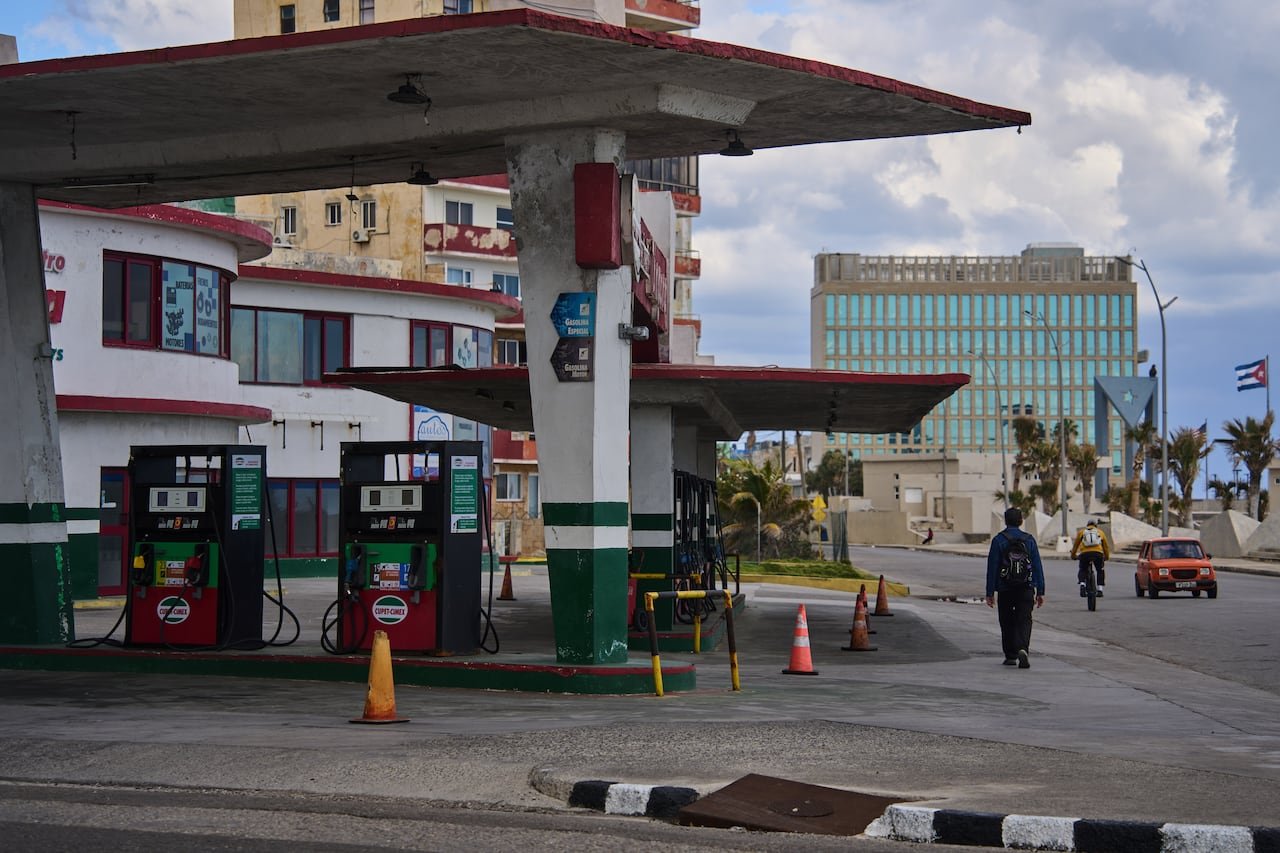
The United States has intensified its economic sanctions against Cuba, substantially aggravating the island’s persistent shortages of essential goods such as fuel, food, and medicine.by severing vital crude oil supplies-previously supplied mainly by Venezuela-Washington has struck a critical blow to an already fragile Cuban economy.
This stricter embargo has triggered widespread power outages and caused the tourism industry to nearly collapse after airlines halted flights amid concerns over jet fuel scarcity at Cuban airports. the consequences ripple through daily life in Havana and other regions across the country.
Economic Opening or “Friendly Takeover”? Understanding U.S. Intentions
Former President Donald Trump alluded to a potential “friendly takeover” of Cuba as his administration ramped up economic pressure on the communist government. Analysts interpret this phrase less as a call for regime overthrow and more as an indication of efforts to open Cuban markets long closed off by decades-old embargoes for American businesses eager to invest.
Trump highlighted ongoing negotiations involving Secretary of State Marco Rubio-a key figure with Cuban heritage-aimed at crafting agreements that could foster mutual economic benefits without necessarily toppling President Miguel Díaz-Canel’s administration.
The Commercial Motive Behind Political Pressure
Experts like William LeoGrande from American University observe that Trump’s strategy toward Cuba resembles his approach with Venezuela: using economic constraints not primarily for political regime change but rather to unlock profitable opportunities for U.S. investors across sectors including tourism, energy, telecommunications, and port management.
“There are important business prospects without forcing political collapse,” LeoGrande explains, emphasizing Washington’s interest in arrangements granting foreign investors full operational rights-including profit repatriation-to stimulate private sector growth within Cuba’s tightly regulated economy.
The Improbability of Regime Overthrow Through Sanctions Alone
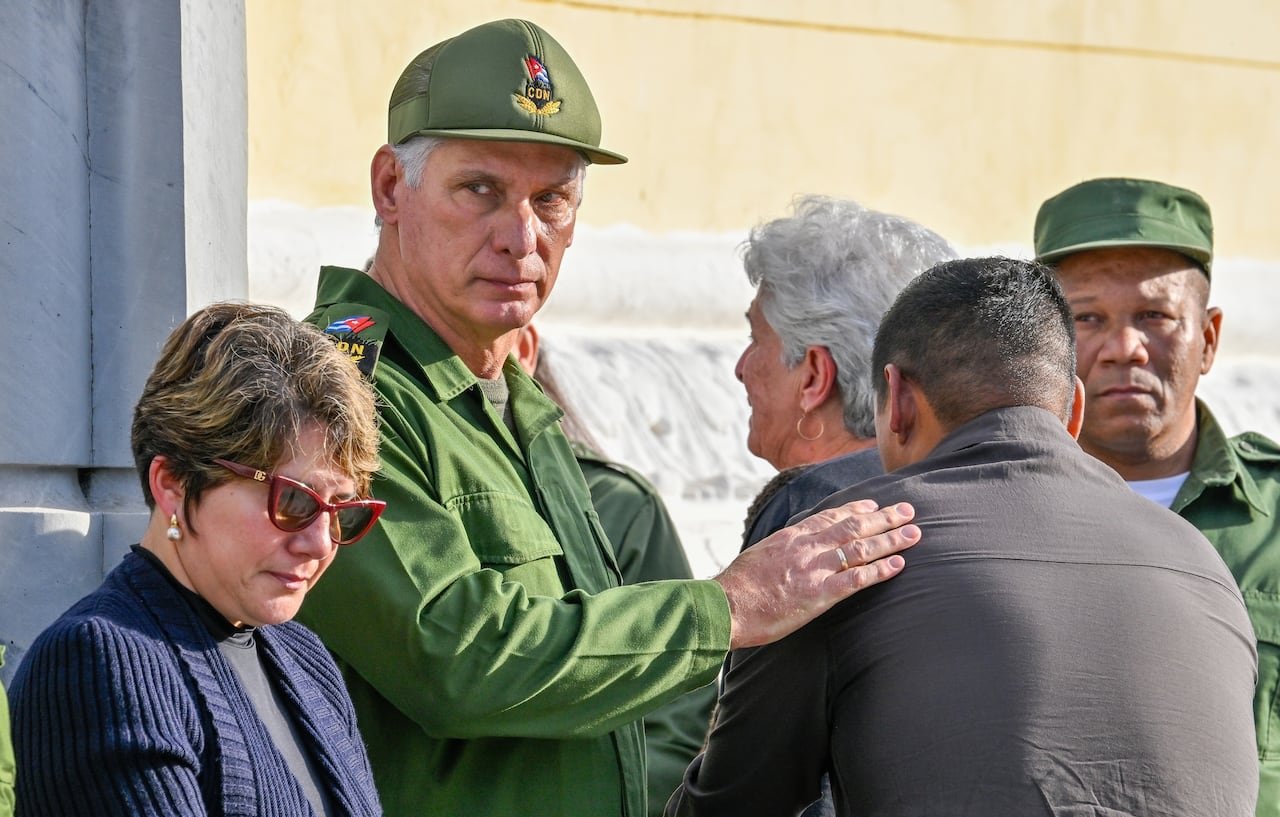
Despite speculation about whether these measures aim at removing Cuba’s leadership entirely, experts warn against expecting rapid political upheaval similar to other Latin American nations’ experiences. Unlike Venezuela-which faced internal divisions-the cuban government remains highly centralized and resilient against external pressures alone.
“Toppling this regime would require either military intervention or complete economic collapse,” notes LeoGrande; though,he doubts current U.S policy includes such extreme steps given geopolitical risks involved.
Navigating Geopolitical Risks: Why Aggressive Moves Are limited
The repercussions of destabilizing Havana extend beyond bilateral relations; they risk provoking China into retaliatory actions concerning Taiwan-a global flashpoint often compared diplomatically with the U.S.-Cuba relationship:
“Taiwan is China’s equivalent of what Cuba represents for the United States.”
This comparison highlights why Washington proceeds cautiously despite its firm stance toward longstanding Castro-era governance structures still shaping Cuban politics today.
Cuba’s Private Sector Growth: Central Focus in Negotiations
Nicolas Forsans from the University of Essex predicts upcoming agreements will prioritize expanding private enterprise within Cuba while securing protections for foreign investments-including those from America-to encourage enduring progress outside state control frameworks.
- Cuba’s private sector remains limited but shows promise if freed from excessive governmental restrictions;
- The White House seeks assurances allowing profit repatriation;
- Sectors targeted include modernization projects in tourism infrastructure and energy;
- A balanced strategy aims to promote market reforms without dismantling existing political institutions;
A Practical Vision From Leaders Like Marco Rubio
Secretary Rubio champions transforming Cuba through gradual economic reform rather than direct confrontation:
“The future depends on nurturing an autonomous private sector free from military or governmental control.”
This perspective aligns with confidential talks between Rubio and Raul Guillermo Rodriguez Castro-the grandson of former leader Raul Castro-indicating possible behind-the-scenes openings despite public rhetoric maintaining opposition toward communism.
Cuba-U.S Relations Under Strain: what Future Developments May Unfold?
;)


