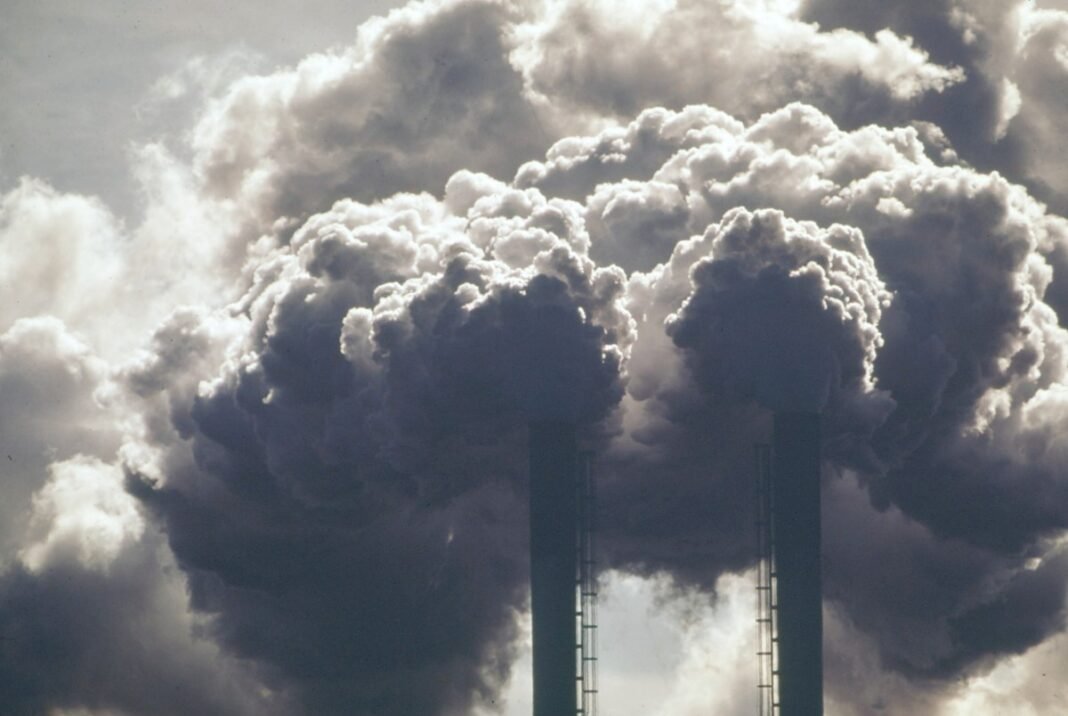
Rethinking the Economic Assessment of Human life in Air Pollution Regulations
Historical Foundations of Assigning Monetary Value to Human Life
Since the Reagan administration, the Environmental Protection Agency (EPA) has applied a financial metric to human life as a tool for evaluating pollution control policies. This quantitative approach, though seemingly detached, was intended to facilitate cost-benefit analyses that balance the expenses of pollution reduction against health improvements gained through longer lifespans.
This valuation framework has remained integral across various administrations, underpinning air quality standards designed to safeguard public health.
Recent Developments in EPA’s Health Valuation Methodology
The EPA is currently contemplating a major policy revision that could exclude human health valuation from setting limits on ozone and fine particulate matter (PM2.5). Such a move would break with decades of regulatory tradition and potentially reshape how air quality standards are established.
The Critical Role of Ozone and PM2.5 in Respiratory and Systemic Health
Ozone at ground level forms when nitrogen oxides from vehicles and power plants react with sunlight, producing smog that aggravates respiratory illnesses like asthma and chronic obstructive pulmonary disease (COPD). Vulnerable populations such as children and elderly individuals face heightened risks during high ozone episodes.
Fine particulate matter smaller than 2.5 micrometers (PM2.5) penetrates deep into lung tissue and can enter the bloodstream, contributing not only to cardiovascular diseases but also an expanding array of conditions including Parkinson’s disease, Alzheimer’s dementia, chronic kidney failure, type 2 diabetes mellitus, as well as adverse birth outcomes like low birth weight linked to prenatal exposure.
A Global Outlook: The Deadly Impact of PM2.5 Pollution
An estimated 10 million premature deaths worldwide each year are attributed to PM2.5 exposure-surpassing mortality rates from many infectious diseases combined-underscoring its status as one of today’s most urgent environmental health crises.
Modern Context: Air Pollution Amid Technological Expansion
This reconsideration coincides with growing dependence on fossil fuels within data center infrastructures-a sector rapidly expanding due to surging demand for cloud computing driven by artificial intelligence advancements.
A recent example involves Elon Musk’s xAI initiative near Memphis operating multiple unpermitted natural gas turbines at its Colossus data center located in an area already labeled an “asthma capital” because of heavy industrial emissions compounded by traffic-related pollutants.
Diverse Opinions Surrounding Regulatory Revisions
- Proponents: Industry groups such as the U.S. Chamber of Commerce argue these changes represent balanced governance aimed at fostering economic growth while maintaining reasonable environmental oversight.
- Cautionary Voices: Public health experts warn that removing human life valuation could weaken protections against harmful airborne contaminants responsible for chronic illnesses affecting millions annually across the United States alone.
The Road Ahead: Balancing Economic Priorities with Clean Air Goals
This potential policy shift prompts critical reflection on society’s priorities regarding clean air versus economic development amid evolving energy systems and technological innovations introducing new pollution sources-and solutions-on a global scale.