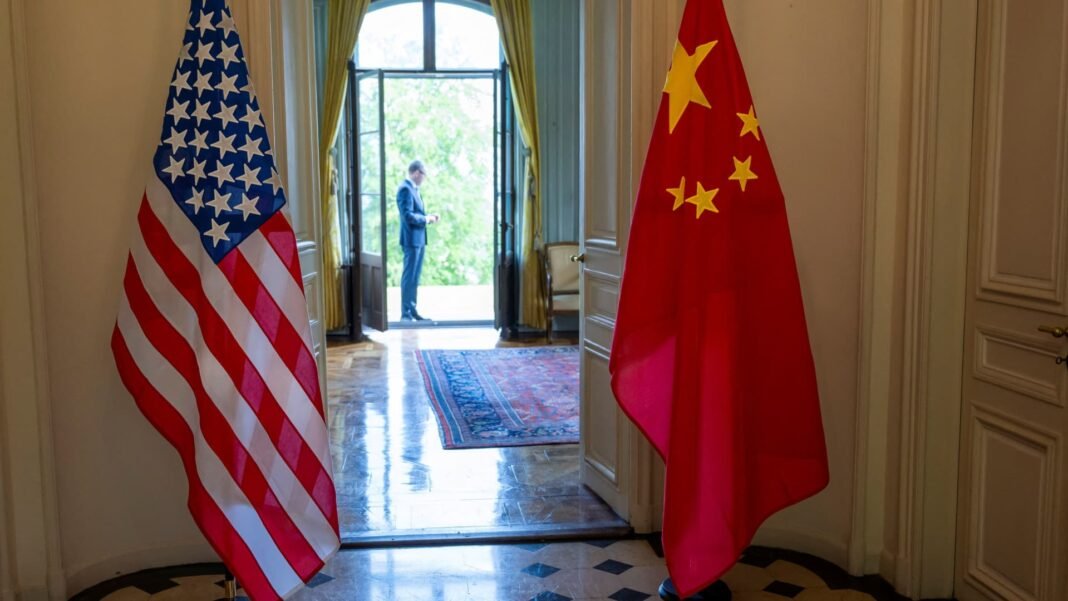
Overview of U.S.-China Trade Dialog Progress
The trade negotiations between the United States and China have recently faced notable obstacles, leading to increased calls for direct engagement between the highest-ranking officials of both countries. Treasury Secretary Scott Bessent highlighted that momentum has decelerated, stressing the importance of personal discussions between President Donald Trump and president Xi jinping to overcome current deadlocks.
Key Milestones in Recent Negotiations
After a surge in trade frictions last month, representatives from both nations reached a provisional agreement during talks held in Geneva on May 12. This deal involved suspending tariff increases exceeding 100% for a 90-day window, extending through mid-August. Although this advancement marks progress,ongoing dialogue remains crucial as diplomatic efforts continue with guarded optimism.
Complexities Beyond Tariff Adjustments
While easing tariffs is an encouraging move, several other contentious matters remain unresolved. The U.S. has implemented stringent technology export controls targeting Chinese companies-a policy strongly opposed by Beijing-while China has yet to considerably ease its restrictions on rare earth mineral exports, which are vital components used extensively across advanced technology sectors worldwide.
The Imperative for Direct Presidential Involvement
Bessent emphasized the intricate nature and vast scope of these negotiations,suggesting that only direct intervention from Presidents Trump and Xi can effectively address outstanding issues. He expressed optimism that their established relationship would enable constructive dialogue once each leader’s priorities are clearly articulated.
The Role of High-Level Communication Dynamics
The most recent known exchange between Presidents Trump and Xi took place shortly before Trump’s second inauguration earlier this year. While Trump has publicly indicated willingness to renew discussions with Xi Jinping soon, experts warn that Beijing is likely to proceed only if there are guarantees against sudden policy reversals during such engagements.
China’s Stance on Export controls and Sustaining Dialogue
A spokesperson from China’s Ministry of Commerce confirmed continuous communication as the Geneva accord but reiterated strong opposition toward U.S.-imposed semiconductor export restrictions. The official urged Washington to promptly amend what China perceives as unfair measures so both parties can honor their commitments made at senior-level meetings.
Regarding China’s rare earth export limitations introduced earlier this year-justified by concerns over dual-use technologies-the spokesperson did not confirm any plans for suspension but underscored china’s dedication to maintaining global peace and regional stability as core motivations behind these policies.
Escalating Strains Impacting Academic Exchanges
This week also witnessed announcements from Washington about revoking visas granted to Chinese students studying in America-a move condemned by Beijing’s Foreign Ministry as unjustified and politically driven under questionable claims related to ideology and national security concerns.