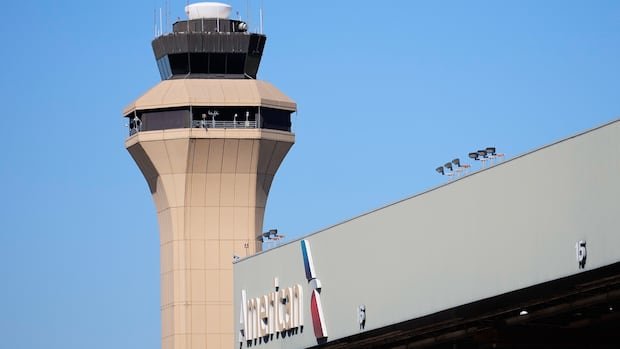
FAA Enforces Flight reductions Amid Staffing Shortages during Government Shutdown
Major U.S. Airports Face Air Traffic Curtailments to Ensure Safety
The Federal Aviation Administration (FAA) has initiated a meaningful cutback in air traffic, reducing flights by 10% at 40 of the nation’s busiest airports starting Friday morning. This unprecedented decision is designed to maintain safety standards as air traffic controllers grapple with severe staffing shortages caused by the ongoing government shutdown.
With over 45,000 daily flights encompassing commercial, cargo, and private aircraft operations nationwide, this reduction will impact thousands of scheduled departures and arrivals. Although the FAA has not yet revealed which airports will be affected specifically, it confirmed that these restrictions will persist until staffing levels stabilize.
Phased Rollout and Exemptions for International Routes
the FAA’s strategy involves a gradual implementation: beginning with a 4% flight capacity decrease on Friday, escalating to 5% on Saturday, then 6% on sunday before reaching the full mandated 10% reduction next week. Importantly, international flights are exempt from these limits to preserve essential global connectivity.
Staffing Deficits Heighten safety Risks
Since October 1st, many air traffic controllers have been working without pay amid the shutdown while enduring extended six-day workweeks with mandatory overtime shifts. Numerous controllers have reported exhaustion or taken leave due to financial pressures such as childcare expenses and commuting costs.These workforce gaps have already led to delays at several major hubs across the country.
The FAA Administrator stressed proactive intervention: “We cannot wait for safety concerns to escalate when early indicators allow us to act now.” He reassured travelers that aviation remains secure but cautioned that further operational adjustments might be necessary if conditions deteriorate further.

Airlines Adapt Operations With Passenger-Centric Measures
This week, FAA officials are collaborating closely with airline leadership teams ahead of publicly announcing which airports will face flight reductions later Thursday. Leading carriers such as Delta Air Lines and Alaska Airlines have committed to minimizing passenger inconvenience while adhering strictly to FAA directives.
The CEO of delta outlined plans focusing most cuts on regional routes rather than long-haul or hub-to-hub services-preserving key network connections-and offering customers flexible options like rebooking or refunds even if their flights remain scheduled.

Passenger reactions Remain Measured Amid Uncertainty
Crowds at airline customer service centers experienced manageable call volumes midweek-indicating travelers had not yet become overwhelmed by concerns about potential disruptions in upcoming travel plans.
Persistent Weekend Staff Shortages Amplify Delays Nationwide
The FAA typically manages flight flow based on weather or technical issues; however recent weekends have seen an unprecedented surge in controller absences directly linked to unpaid furloughs during what is now america’s longest federal shutdown as of early November 2025.
- A recent analysis found that between early October and November weekends alone averaged over 28 facilities reporting possible staffing shortfalls per weekend-a threefold increase compared with pre-shutdown averages below nine facilities per weekend throughout most of this year’s first nine months.
This spike has significantly contributed toward increased delays especially during peak travel periods like weekends when controller availability is critical for safely managing high volumes efficiently across complex airspace sectors nationwide.

aviation Sector Urges Swift Political Resolution
An alliance comprising airline executives alongside labor unions representing controllers has called upon Congress for an immediate end to the stalemate causing widespread operational strain throughout U.S. skies. The looming threat includes missing another payroll cycle next Tuesday-which could intensify absenteeism further-perhaps triggering chaotic scenarios mid-flight operations must avoid under all circumstances.
“Reflecting on past incidents were delayed responses nearly resulted in tragedy,” stated Transportation Secretary Sean Duffy regarding current mitigation efforts underway before any crisis unfolds.”
Duffy referenced lessons learned following last January’s near-miss collision involving military helicopters near Washington National Airport-highlighting why preemptive action remains vital within aviation safety culture today more than ever given challenges posed by prolonged governmental gridlock affecting essential personnel compensation stability.”