In-Depth Analysis of the U.S.-Iran-Israel Conflict and Strikes on Nuclear facilities
Origins and Escalation of Hostilities
The confrontation between Israel and Iran intensified dramatically following a surprise Israeli air campaign on June 13, targeting vital Iranian nuclear installations.These strikes reportedly caused at least 78 casualties. In response,Iran launched multiple missile barrages aimed at Israeli urban centers such as Tel Aviv and Jerusalem,escalating tensions over several days. Initially, the United States maintained a stance of non-direct engagement despite the rising conflict.
U.S. Military Operations Targeting Iranian Nuclear Sites
On Saturday night, U.S. forces conducted synchronized attacks against three prominent Iranian nuclear complexes: Fordow, Natanz, and Esfahan. The mission involved seven B-2 Spirit stealth bombers departing from Whiteman Air Force Base in Missouri. One bomber deployed two Massive Ordnance Penetrators (MOPs) to strike Fordow’s subterranean facility around 2:10 a.m., contributing to a total of fourteen bombs dropped across various targets.
furthermore, a U.S. submarine launched more than twenty Tomahawk cruise missiles targeting Esfahan’s uranium enrichment plant near 5 p.m.EDT that same day.To obscure the true objective area from adversaries, additional bombers were dispatched toward the Pacific Ocean as decoys-a tactic known only to select military planners.
Consequences for Iran’s Nuclear Capabilities
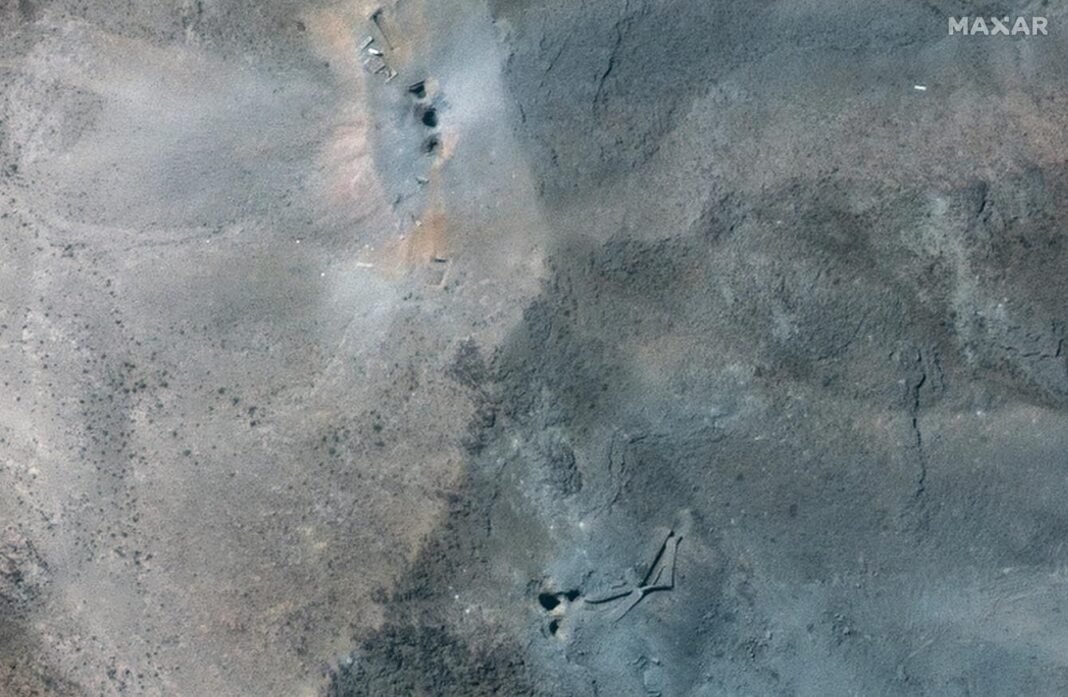
The International atomic Energy Agency (IAEA) confirmed that centrifuges at Fordow have been rendered “non-operational” due to extensive damage inflicted by these strikes. Satellite imagery analysis revealed destruction of sensitive centrifuge rotors caused by shockwaves from explosions-effectively halting uranium enrichment activities at this critical underground site.
Divergent Intelligence Assessments
The CIA Director publicly stated there is “credible evidence” indicating severe impairment to Iran’s nuclear infrastructure that would require years for full restoration based on reliable intelligence sources.
However, an early leaked report suggested limited physical damage-a discrepancy prompting tighter controls over classified information sharing with Congress amid concerns about leaks thru CAPNET systems used for congressional briefings.
Political Responses From Key Leaders
- Khamenei’s Defiant Stance: Supreme Leader Ali Khamenei dismissed claims regarding notable impact from U.S strikes as mere “theatrics,” underscoring national resilience with declarations like “surrender is impossible.” He also claimed victory over what he called the “deceptive Zionist regime,” asserting Israel was weakened under blows delivered by the Islamic Republic while boasting success against american forces to.
- Trump’s Contrasting Narrative: Former President Trump repeatedly asserted total destruction of Iranian nuclear sites through social media posts and public statements-comparing these operations’ effects to historic events such as Hiroshima and Nagasaki bombings during World War II.
He criticized media outlets reporting otherwise as spreading “fake news” intended to undermine one of history’s most successful military campaigns.
Trump also expressed openness toward renewed negotiations with Iran but emphasized strict no-nuclear conditions must be met before talks proceed. - Mediation Efforts & Ceasefire Announcements: After intense exchanges including missile launches targeting Al Udeid Air force Base near Doha-Iranian state media declared an imposed ceasefire following successful missile attacks.
Despite this declaration, Israeli officials accused Iran of violating ceasefire terms shortly after; defense Minister Israel Katz ordered robust retaliatory actions against Tehran targets if violations continued. - Diplomatic Reactions From Global Powers: Russia condemned U.S actions labeling them unprovoked aggression lacking legal basis; China echoed similar views highlighting breaches against UN Charter principles exacerbating Middle East instability.
Simultaneously Qatar condemned missile attacks near its territory stating its air defenses successfully intercepted threats aimed at Al Udeid base.
Tensions Within Domestic Politics And Intelligence Communities
The leak suggesting limited strike effectiveness triggered internal White House measures restricting sensitive intelligence dissemination among lawmakers due to fears it compromised operational security.
Senior officials described such leaks as potentially treasonous given their detrimental impact on national security strategy amid ongoing conflicts in volatile regions worldwide during mid-2025.
civilian Security Concerns in the United States
Tensions spilled into domestic spheres when Miami authorities temporarily suspended Metrorail services after suspicious packages were found near government buildings-prompting evacuations amid heightened nationwide alertness linked indirectly to escalating Middle Eastern hostilities affecting global security perceptions throughout mid-2025 events.
Evolving Diplomatic Narratives And Future Prospects for Negotiations
- Iranian Position: Foreign Minister Abbas Araghchi warned that continued unfriendly acts would end any chance for resuming diplomatic talks with Washington despite prior efforts held in Oman aiming toward new nuclear agreements before hostilities abruptly resumed following Israeli strikes.
- An adjusted Focus For Israel: Military Chief Eyal Zamir acknowledged completion of a major phase targeting Iranian assets but stressed shifting attention back onto Gaza operations involving Hamas dismantlement strategies amidst ongoing regional instability concerns moving forward.
“American deterrence has returned,” remarked defense analyst Hegseth reflecting prevailing sentiment within military circles emphasizing rapid decisive action whenever American interests or allies face threats.”
The Influence Of Social Media On Conflict Perceptions
Bilateral communications via platforms like Truth Social featured rapid-fire declarations ranging from calls urging restraint (“ISRAEL DO NOT DROP THOSE BOMBS”) to bold assertions denying any possibility for Iran rebuilding its nuclear capabilities post-strike.
These digital exchanges demonstrate how modern warfare narratives unfold simultaneously across battlefields and online arenas-shaping domestic audiences globally while complicating diplomatic messaging coherence among involved parties alike during mid-2025 tensions impacting worldwide stability considerations profoundly into coming months ahead.
A Complex Interplay Between Military Actions And Diplomatic Maneuvers Amid Heightened Regional Tensions
This multifaceted crisis involving targeted assaults on critical infrastructure has sparked contrasting interpretations regarding actual damage inflicted versus political rhetoric crafted domestically within each nation-and internationally-to project strength or peace overtures depending upon audience context.
The evolving scenario highlights persistent volatility surrounding Middle East geopolitics where strategic calculations intertwine closely with public diplomacy campaigns amplified through conventional channels alongside emerging social media platforms shaping real-time discourse worldwide throughout mid-2025 events influencing global stability well into future months.