Ukraine’s position on Peace Negotiations Amid Continuing Conflict
Ukraine has openly expressed strong dissatisfaction with the ongoing peace talks involving Russia and the United States, criticizing what it views as excessive pressure from the US directed at Kyiv.
In a recent address to the nation,president Zelenskyy conveyed that current negotiation outcomes fall significantly short of Ukrainian expectations. He firmly stated that ukraine will not agree to relinquish control over the remaining 20 percent of Donetsk region territory still under its administration,despite persistent demands from Moscow.
Territorial Realities and Public Sentiment
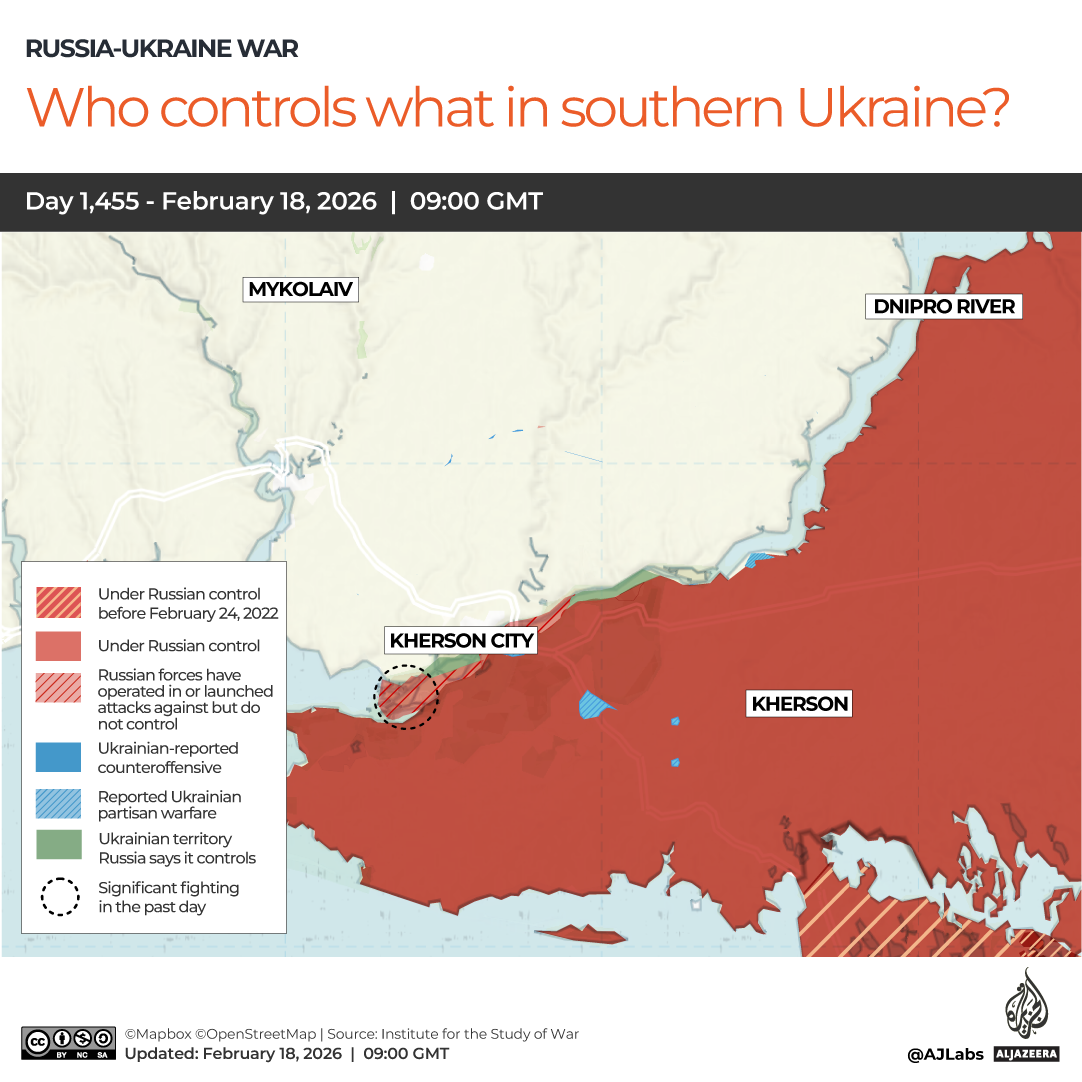
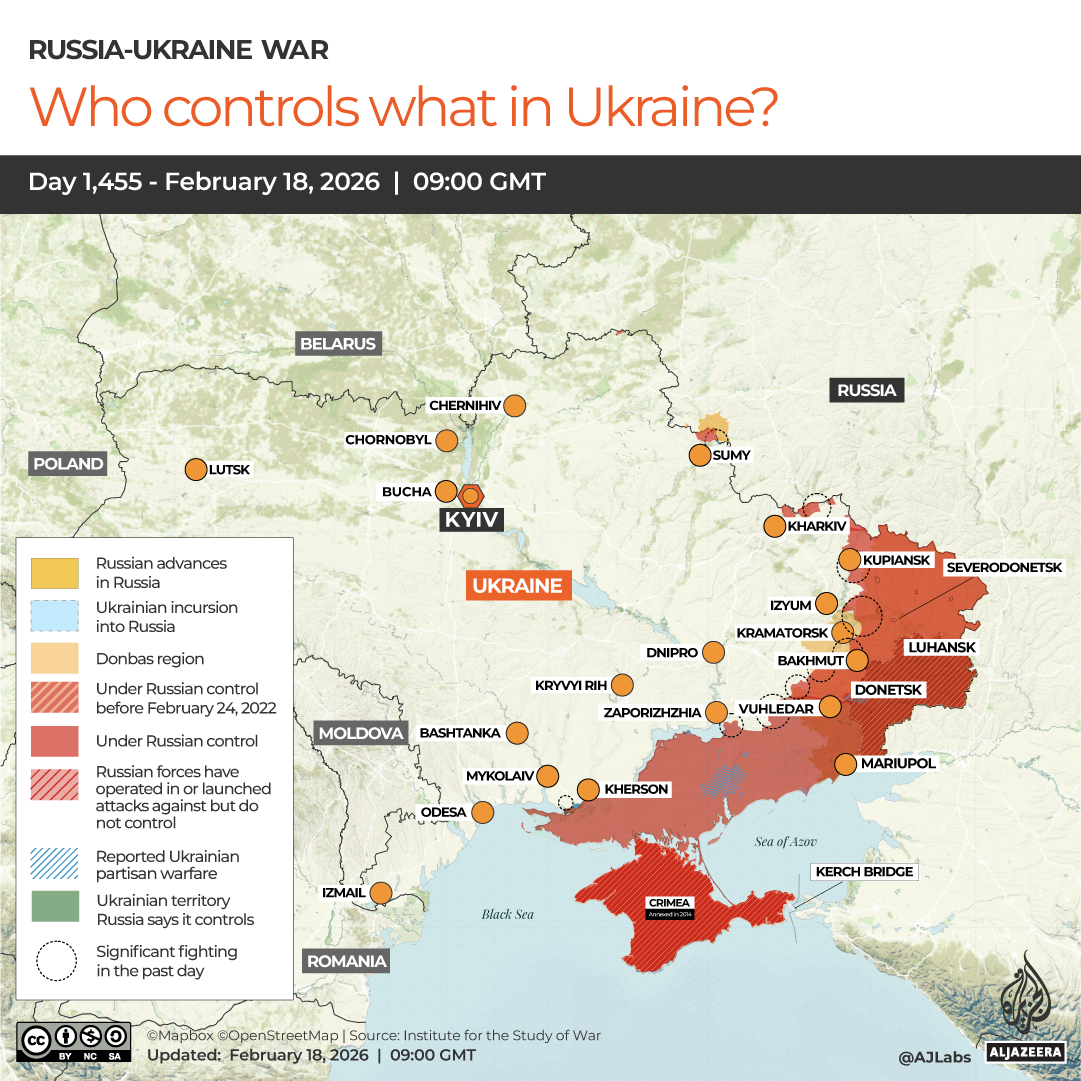
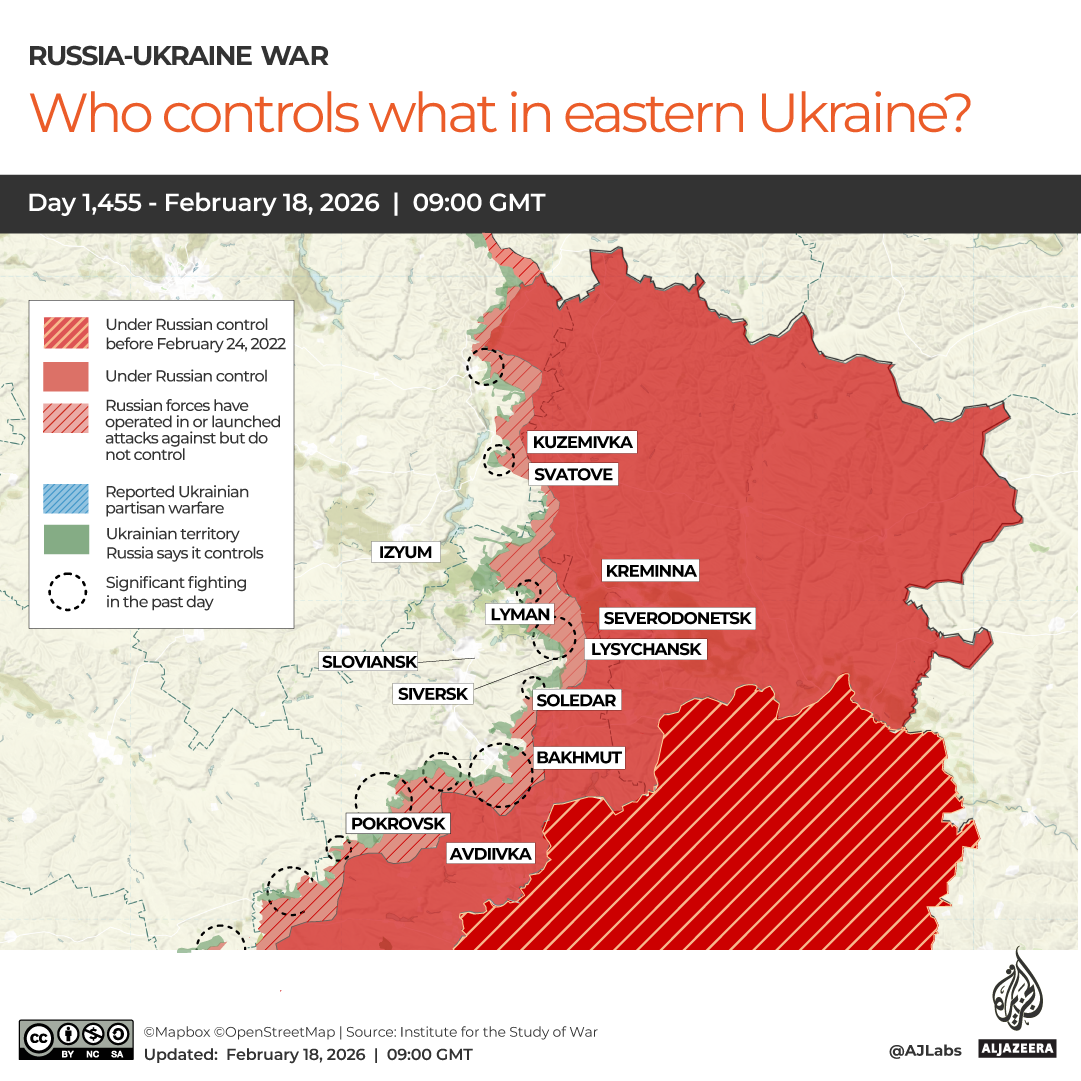
As of early 2026, Russian forces control roughly 19 percent of Ukraine’s land-a notable reduction from approximately 26 percent in March 2022-highlighting effective Ukrainian resistance and counteroffensive operations.
A recent poll by a prominent Ukrainian research institute found that over half (54%) of ukrainians reject handing over all Donetsk territory to Russia even if robust security guarantees were provided. Onyl 39% showed openness to such terms. Additionally,two-thirds remain skeptical about whether current US-backed peace negotiations will yield lasting stability.
A Call for Ceasefire Based on Current Frontlines
Zelenskyy advocates freezing existing frontlines as a basis for ceasefire talks rather than conceding land instantly. he proposed holding a national referendum on this approach,confident it would receive widespread public backing as a practical step toward meaningful dialog.
The Impact of External Diplomatic Pressures
Certain international voices have shifted blame onto Ukraine for delays in reaching an agreement. For instance, former US President Donald Trump recently accused Kyiv of obstructing progress; Zelenskyy dismissed these allegations as unjust and hoped they represent mere negotiation tactics rather than genuine criticism.
This viewpoint is echoed by several US senators who visited Odesa’s southern port city recently. They emphasized that diplomatic efforts should focus more heavily on pressuring Russia rather of Kyiv during peace discussions aimed at ending hostilities.
Intensified attacks Amid Diplomatic Efforts
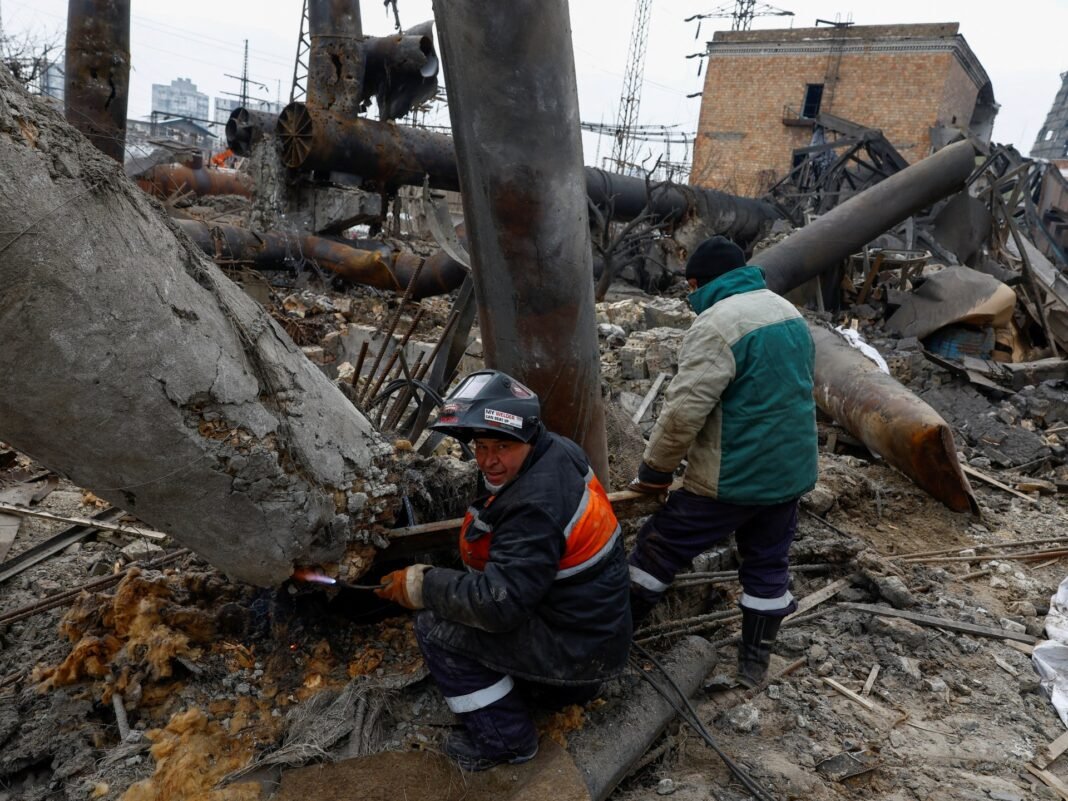
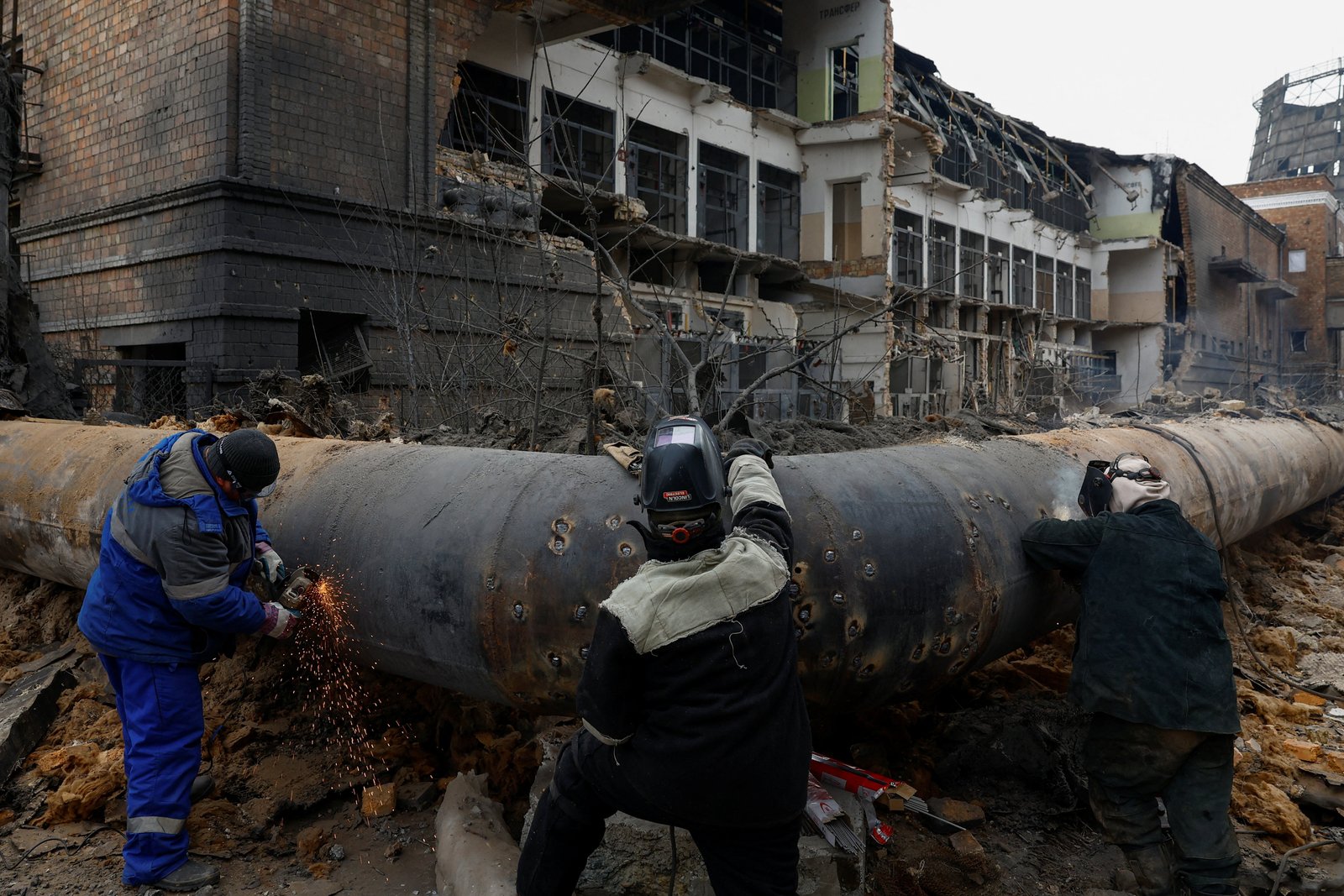
The day Geneva hosted new trilateral talks between Russia, Ukraine, and the United States saw Moscow launch nearly 400 attack drones alongside dozens of missiles targeting critical energy infrastructure across Ukraine-one among several large-scale strikes within days.
“Russia responds to diplomatic initiatives with aggression,” Zelenskyy remarked during his address. “This clearly exposes their true intentions.”
Tackling Sanctions Evasion Through Energy Trade Networks
zelenskyy has persistently called upon Western nations to intensify efforts against Russian energy exports circumventing sanctions via complex third-country re-export schemes supporting Moscow’s military production capabilities.
Moscow reportedly operates a covert fleet estimated between 400 and 1,000 oil tankers using false flags or shadow ownership structures to continue crude sales despite restrictions-a tactic disrupted recently when France seized two vessels while the US intercepted another tanker earlier this month.
The Strategic Importance and Challenges Around Donetsk Control
Moscow’s campaign since 2014 has focused heavily on capturing eastern regions Luhansk and Donetsk under claims it protects Russian-speaking populations allegedly oppressed by Kyiv authorities. While full control over Luhansk was achieved late last year, experts remain doubtful about Russia’s ability to seize all remaining parts of Donetsk without suffering heavy casualties due to fortified Ukrainian defenses around key cities like Bakhmut and Avdiivka.
Deterioration in Russian Military Communication Capabilities
This month marked another setback for Russian forces after losing access to Starlink satellite terminals crucial for coordinating drone operations and precise artillery targeting-capabilities which had previously enhanced battlefield effectiveness substantially. Attempts have been made using stratospheric balloons as substitutes; though experts estimate full restoration could take up to six months-providing valuable timeframes for Ukrainian counteroffensives across regions like Dnipropetrovsk where advances covering more than 200 square kilometers occurred within days-the fastest progress as major campaigns launched last year according to military analysts.
The Human Cost: Casualty Rates Reflect Fierce Combat Conditions
- An estimated thirty thousand casualties suffered by Russian forces just during january highlight sustained attrition balanced against recruitment inflows nearing forty thousand monthly;
- This toll is expected only to rise sharply if Moscow attempts renewed offensives aiming at finalizing territorial acquisitions;
- Zelenskyy’s administration consistently targets high enemy casualty rates monthly while expanding drone warfare capabilities now responsible for approximately sixty percent of enemy losses;
- A coordinated approach includes establishing joint European drone manufacturing hubs-with Germany inaugurating its first facility mid-February followed closely by plans across nine other countries-to rapidly bolster frontline technology supply chains;
- The Ramstein format alliance pledged nearly €38 billion ($44 billion) worth military aid including €2.5 billion earmarked specifically towards unmanned aerial systems progress considered pivotal successes among coalition efforts;
- The European Union committed an additional €90 billion ($106 billion) financial package spread through this year into next supporting economic resilience amid conflict pressures;
- Despite political shifts reducing direct American government aid post-January 2025 inauguration changes domestically within Washington DC led Congress nonetheless approving $400 million annually via defense contracts supporting weapon deliveries indirectly benefiting Ukrainian defense modernization programs;
- Main contributors envision forming multinational reassurance forces tasked with monitoring ceasefire lines post-agreement implementation ensuring compliance along contested borders involving UK-France-Germany-Italy-Switzerland coordination prior Geneva talks commenced per Kiev requests;