Decoding the US-Iran Nuclear Talks: Expertise, Challenges, and Strategic Implications
Unpacking the Recent US-Iran Memorandum of Understanding
The newly signed Memorandum of Understanding (MOU) between the United States and Iran has ignited widespread discussion, wiht manny analysts highlighting Tehran’s significant bargaining power. Under this agreement, Washington plans a gradual easing of sanctions on Iran, unlocking access to nearly $24 billion in previously frozen funds. Alongside this, regional allies and the US have committed to backing an extensive reconstruction project valued at approximately $300 billion.
In exchange, Iran agrees to broaden international inspectors’ access-not only to nuclear sites but also enrichment facilities-and maintain its current nuclear activities during ongoing negotiations aimed at a complete final accord. Importantly, this MOU stops short of requiring Iran to dismantle its uranium enrichment infrastructure or halt enrichment altogether; these critical points remain reserved for future discussions.
The Technical Realities: Uranium Enrichment Levels and Inspection Disputes
According to recent International Atomic Energy Agency (IAEA) reports, Iran holds close to 972 pounds of uranium enriched up to 60%, far exceeding the 20% threshold considered highly enriched and edging toward weapons-grade levels defined as above 90%. This substantial stockpile continues fueling global apprehensions about potential weaponization capabilities.
A major sticking point remains inspection protocols. Iranian officials have publicly resisted IAEA Director Rafael Mariano Grossi’s demands for immediate inspections amid ongoing talks. Tehran insists that such oversight should commence only after a formal agreement is finalized-highlighting deep-rooted mistrust that complicates verification efforts.
Nuclear Program as a Symbol of Sovereignty and Resistance
For Iranian leadership, their nuclear program represents more than energy development-it embodies national pride and defiance against ancient foreign interference. Consequently, calls for complete cessation or dismantlement are viewed as unacceptable by Tehran. A more feasible path may involve enhanced IAEA monitoring paired with rigorous verification measures rather than outright elimination-a strategy balancing security concerns with preserving national dignity.
The American Negotiation Team: Experience Gaps Impacting Strategy
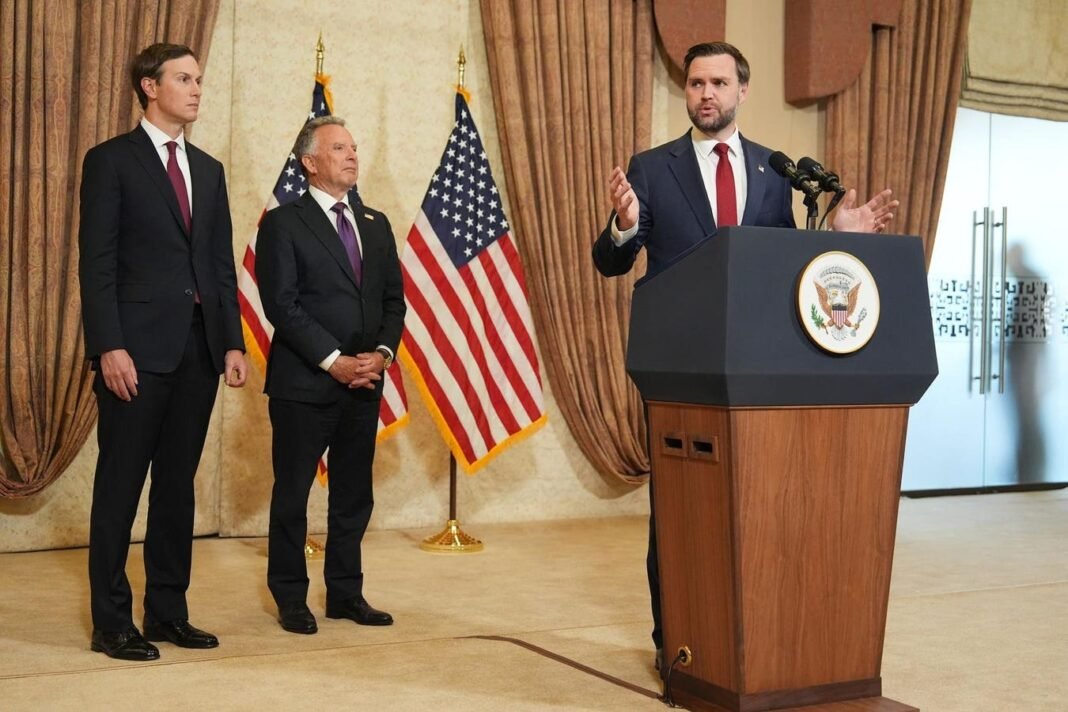
The US delegation steering these complex talks includes figures whose backgrounds diverge sharply from traditional arms control diplomacy norms. Steve Witkoff-a prominent real estate investor lacking prior experience in nuclear policy or Middle Eastern affairs-has been thrust into high-stakes negotiations despite admitting limited regional knowledge; he notably misnamed the Strait of Hormuz during public remarks.
Jared Kushner-known mainly for his business ventures and previous involvement in brokering Middle East peace deals like the Abraham Accords-also lacks deep technical expertise related to nuclear agreements. Israeli commentators have criticized both Witkoff and Kushner as ineffective negotiators due to their perceived naivety regarding intricate treaty details.
Vice President JD Vance brings legal acumen alongside political experience but shares similar gaps concerning specialized knowledge about arms control frameworks or essential nuclear science essential for credible negotiation outcomes.
The Critical Role of Technical Proficiency in Nuclear Diplomacy
- Nuclear treaties require detailed understanding of uranium enrichment processes-including centrifuge types and quantities-as well as precise methods for stockpile accounting;
- An adept negotiator must distinguish substantive concessions from symbolic gestures;
- Lackluster technical grasp risks producing agreements vulnerable to collapse post-signature due to ambiguous language or unverifiable commitments;
- This complexity contrasts starkly with some US team members’ approach treating talks like rapid business deals rather than methodical diplomatic engagements demanding months or years of trust-building;
Iranian Delegation: Experienced Hardliners With Strategic Depth
Iran’s negotiating team features seasoned figures such as Abbas Araghchi-a diplomat instrumental during prior landmark negotiations including the Joint Comprehensive Plan of Action-and Mohammad Bagher Ghalibaf, former IRGC brigadier general turned parliamentary speaker as 2020. Both bring extensive institutional memory combined with ideological commitment closely aligned with Tehran’s security priorities.
araghchi demonstrates fluency in technical jargon surrounding sanctions relief and verification mechanisms that sharply contrasts with his American counterparts’ relative unfamiliarity; meanwhile Ghalibaf offers pragmatic yet firm guidance rooted deeply within Iran’s political-military establishment ensuring alignment between negotiation tactics and regime interests.
Divergent Motivations Shape Negotiation Outcomes
- The Iranian delegation exhibits steadfast dedication toward safeguarding core objectives tied directly into national identity;
- The US team appears motivated more by expediency than ideological investment;
- This imbalance complicates prospects for durable consensus given differing stakes on each side;
- Poor understanding among American negotiators regarding internal Iranian power dynamics further hampers strategic engagement efforts;
Insights From Past Nuclear Agreements Stress Patience And Expertise
Nuclear diplomacy traditionally demands painstaking deliberations-as demonstrated by nearly two years invested crafting Obama-era accords-which included extensive confidence-building steps before finalizing terms acceptable across multiple stakeholders worldwide. In contrast, recent attempts under previous administrations sought accelerated breakthroughs within weeks-a pace ill-suited given technical intricacies inherent in arms-control treaties involving sensitive materials like enriched uranium stocks now exceeding thresholds relevant politically and militarily worldwide (over 900 pounds).
“Technical shortcomings caused key players within Washington’s negotiating team to miss critical opportunities where Tehran demonstrated flexibility,” experts analyzing early-stage missteps observed.”
Toward Sustainable Peace: Bridging Asymmetries through Expertise
This evolving framework exposes stark asymmetries between parties involved-the Iranians deploy seasoned diplomats fluent across scientific nuances underpinning their program while Americans rely heavily on rapid deal-making instincts lacking foundational expertise necessary when addressing multifaceted challenges posed by modern proliferation risks recognized globally today. The future stability across volatile regions-including strategic chokepoints like the Hormuz Strait vital for global energy flows surpassing 20 million barrels daily according to latest data (2024)-depends not only on political will but also mastery over complex scientific realities shaping these negotiations’ outcomes.