Venezuela’s Abundant natural Resources: Exploring Oil, Gas, and Mineral Wealth
Unmatched Oil Reserves and Their Global Significance
Venezuela holds the world’s largest proven oil reserves, estimated at around 303 billion barrels as of early 2024. This figure far surpasses that of the United States, which has roughly 55 billion barrels in comparison. The bulk of Venezuela’s petroleum wealth is concentrated within the Orinoco Belt, an expansive region covering approximately 55,000 square kilometers in eastern Venezuela.
The crude oil found here is predominantly extra-heavy with high viscosity and density. Extracting this type of oil requires advanced technology and substantially higher costs than lighter crude varieties such as those extracted from US shale formations. As a result, Venezuelan heavy crude typically sells at a discount on international markets due to its processing challenges.
The state-run company Petroleos de Venezuela (PDVSA) manages thes resources; however, refining this dense crude demands sophisticated facilities mostly located in US Gulf Coast refineries like those in Texas and Louisiana.
Ancient Influence: Venezuela’s Impact on Global Oil Supply
A founding member of OPEC since its establishment in Baghdad in 1960 alongside Iran, Iraq, Kuwait, and Saudi Arabia, Venezuela once held a critical position as a leading global oil exporter. During the late 1990s through early 2000s period alone, it supplied between 1.5 to 2 million barrels per day exclusively to the United States market.
In recent years though political instability combined with mismanagement within PDVSA has drastically reduced production capacity. Moreover, comprehensive US sanctions targeting Venezuelan energy exports have further limited output levels.
Recent Production Patterns and Key export Markets
Data from late 2025 into early 2026 indicate that despite intensified international embargoes causing operational setbacks earlier on,production hovered near an average of about 950 thousand barrels per day, showing tentative signs of recovery compared to previous years’ sub-million barrel daily outputs.
- China: Prior to embargo enforcement was by far the largest importer-accounting for roughly 82% of venezuelan oil exports.
- The United States: Despite sanctions reducing volumes considerably remains second-largest buyer overall.
- Cuba: Purchases close to three percent share among export destinations for Venezuelan crude products.

Natural Gas Reserves: A Vast yet Underexploited Resource
Sitting ninth worldwide for natural gas reserves with approximately 5.5 trillion cubic meters (195 trillion cubic feet), Venezuela commands nearly three quarters (73%) of South America’s total gas deposits based on mid-2023 assessments by energy analysts.
Around eighty percent of this natural gas is associated gas produced together during petroleum extraction rather than sourced from dedicated standalone fields focused solely on gas production.This interdependence limits independent progress but offers significant growth potential if infrastructure investments are prioritized moving forward.
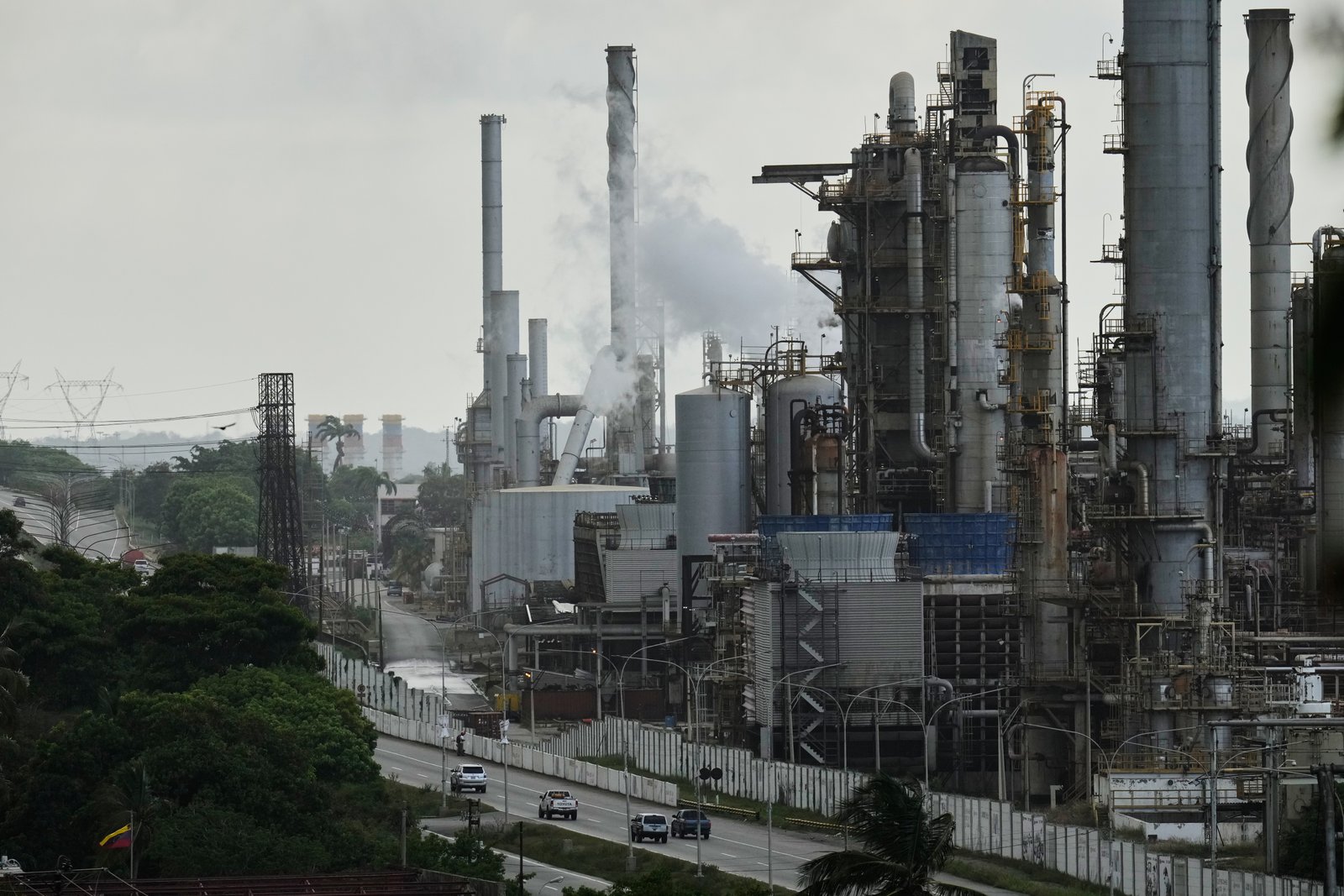
“Vehicles pass by El Palito refinery near Puerto Cabello – a vital facility grappling with economic hardships.”
Treasures Below Ground: Gold Deposits and mining prospects
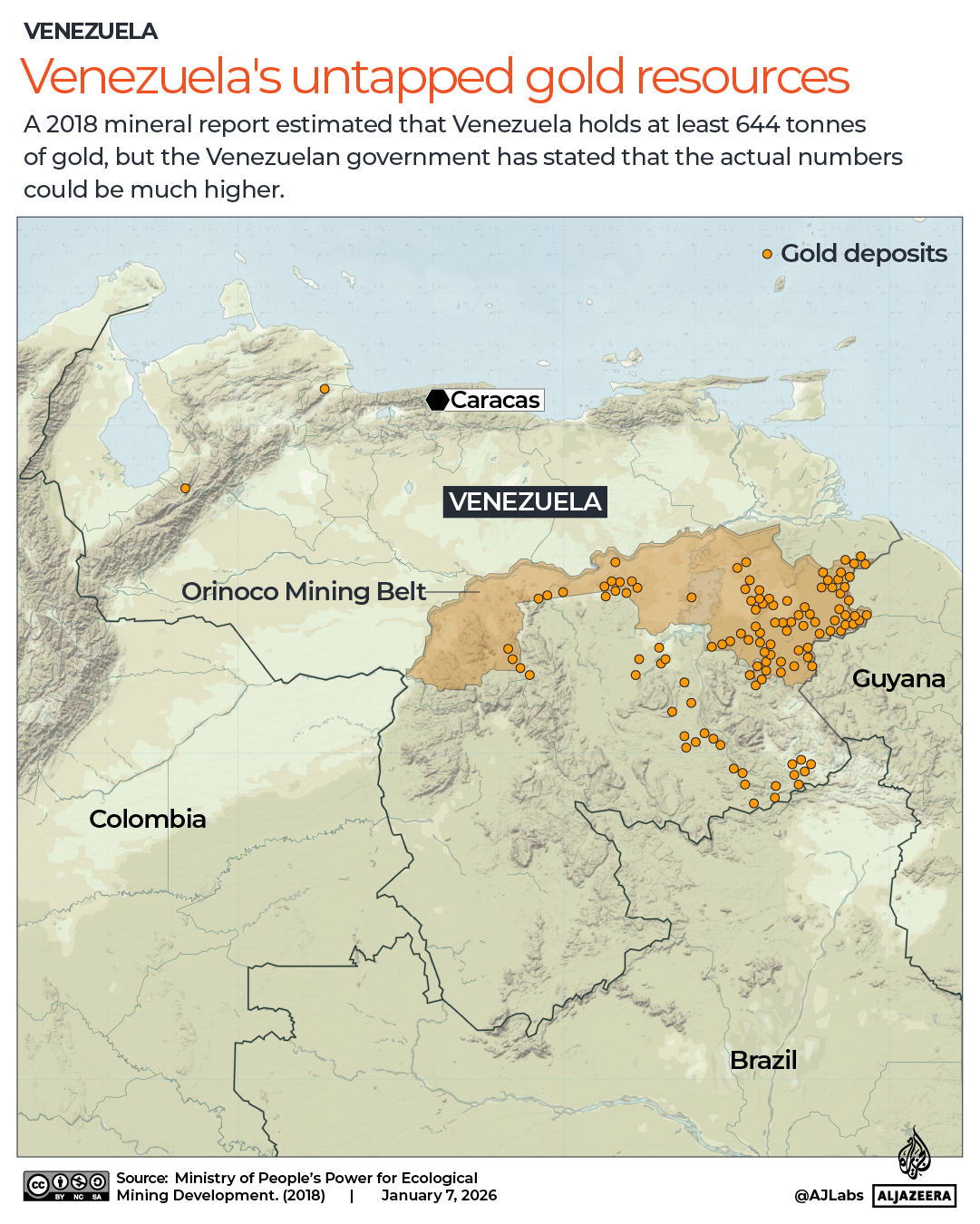
Lying among Latin America’s top holders for official gold reserves-with about 161 metric tonnes valued over $23 billion USD today, Venezuela possesses considerable precious metal assets largely underexplored or inadequately documented due to outdated reporting methods over past decades.
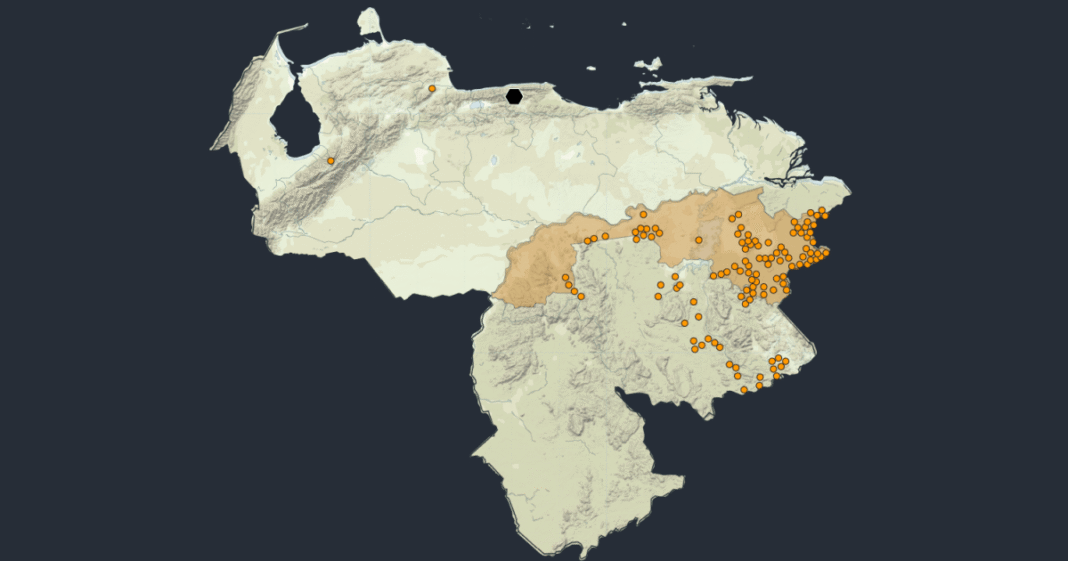
The government initiated large-scale projects such as the Orinoco Mining Arc during Hugo Chávez’s tenure aimed at nationalizing mineral-rich zones spanning multiple states-covering roughly twelve percent of national territory designated specifically for mining activities including diamonds; nickel ores like coltan essential for electronics manufacturing; copper; among others.
- An enterprising “Gold Plan” launched mid-last decade sought billions worth foreign investments but most deals stalled amid political unrest while many mines fell under control by armed groups rather formal enterprises;
An official estimate suggested total gold resources could exceed 640 metric tonnes. Actual quantities might be substantially higher given ongoing exploration gaps across remote regions rich with mineral potential yet inaccessible due to security issues or lackluster infrastructure development efforts so far.
Diverse Mineral Endowments Beyond Hydrocarbons and Gold
- Iron Ore: Measured deposits approach fifteen billion metric tonnes total with proven quantities near three point six billion;
Nickel: Close to four hundred thousand metric tonnes reserved;Bauxite: Nearly one hundred million metric tonnes identified;Diamonds: Estimated above one billion carats mainly located within Orinoco Mining Arc plus significant concentrations elsewhere such as Guaniamo region (~275 million carats).
Navigating Forward: Overcoming Obstacles & Unlocking Potential growth
If political stability returns alongside targeted investments modernizing extraction technologies-as recently demonstrated when Guyana capitalized on offshore discoveries attracting multi-billion-dollar ventures-the opportunity exists not only revitalizing hydrocarbon production but also expanding mineral exploitation sectors simultaneously enhancing economic recovery prospects while reshaping regional energy landscapes long term.