Economic Divide in U.S. Fitness Industry uncovered by Leading gym Chains
Financial reports from two prominent American gym operators reveal a shared pattern of growth, yet thier underlying stories highlight sharply diffrent consumer spending behaviors.
Premium Gyms Thrive on Wealthier Clientele’s Spending Habits
Life Time Group Holdings demonstrated that affluent Americans continue to invest heavily in health and wellness despite broader economic uncertainties. In the most recent quarter, Life Time’s revenue climbed 12.3% year-over-year, reaching $745.1 million, driven primarily by enhanced facility operations and increased membership fees.
The company’s upscale fitness centers-offering amenities like pools, spas, and gourmet cafes-implemented membership fee hikes ranging from $10 to $30 last year without deterring demand. Membership counts and engagement have steadily risen as patrons increasingly view thes clubs as lifestyle destinations rather than just exercise venues.
On-site spending contributed over $191 million during the quarter through personal training sessions, spa services, and food sales. The average revenue per member surged 10.8% to $882, underscoring a highly engaged customer base willing to pay for premium experiences beyond basic gym access.
“Our success depends on active member participation rather than passive subscriptions,” emphasized life time’s CEO Bahram Akradi, highlighting how their business model is optimized for deep customer involvement.
Although Life Time operates fewer locations compared to competitors such as Planet Fitness, it generates substantially higher revenue per site due to its clientele’s greater disposable income-a clear reflection of economic stratification within the fitness sector.
Mainstream Gyms See Growth but Face Spending Constraints
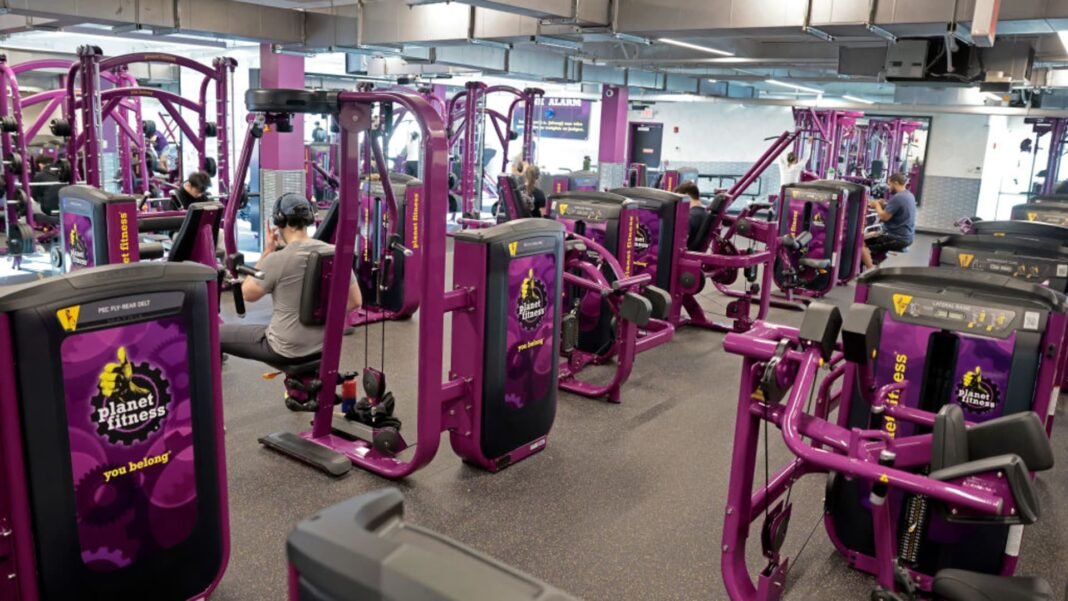
Planet Fitness also reported strong gains in 2025 with an influx of 1.1 million new members and double-digit revenue growth; however, its outlook for 2026 raised investor concerns due to anticipated slower expansion rates.
The company projects fiscal year revenue growth near 9%, with same-store sales expected between 4% and 5%.These figures fell short of market expectations and suggest potential softness among budget-conscious consumers who dominate Planet Fitness’ core demographic.
CFO Jay Stasz acknowledged that recent weather disruptions temporarily slowed new memberships while slightly increasing cancellations but expressed confidence that attrition would stabilize soon.
To maintain appeal amid cautious consumer spending habits among lower- to middle-income groups, Planet Fitness plans modest price increases set for full rollout by mid-2026 alongside investments in innovative amenities such as red light therapy rooms and expanded class options targeting younger audiences.
This strategy aims at lasting growth; though analysts remain cautious about whether Planet Fitness can meet or surpass future targets given ongoing uncertainties around discretionary budgets within its primary market segment.
The K-shaped Economy: Divergent Consumer Realities
- Lifestyle enhancements among Affluent Groups: Similar patterns emerge across industries like travel where luxury airline cabins maintain steady demand even as economy seats lag;
- Bargain-Seeking Behavior Among Price-Sensitive Shoppers: Fast-food chains increasingly focus on value menus tailored specifically for cost-conscious customers;
- A Divided Market Landscape: Companies must carefully balance pricing strategies or service offerings aimed either at premium experiences or affordability-driven options;
A Reflection of Broader Economic Trends
The pace of Planet fitness’ membership additions will likely serve as an early barometer indicating discretionary income availability among middle-income consumers moving forward. Some analysts have revised forecasts downward-from one million new sign-ups down to roughly 800 thousand-anticipating first-quarter softness which historically accounts for a large share of annual enrollments-but remain optimistic about long-term brand strength thanks to accessible pricing combined with welcoming environments favored by many seeking affordable fitness solutions without high-pressure sales tactics or exclusivity barriers.
An Indicator Amid Uneven Recovery Patterns
This contrast within the fitness industry highlights a critical insight: while overall consumer spending remains resilient post-pandemic-with U.S retail sales climbing nearly 7% year-over-year through early 2026-the distribution is unevenly split along income lines.
“Current consumer trends reveal widening disparities where premium wellness services flourish alongside growing demand for budget-pleasant alternatives.”