Intensifying U.S.-Israel-Iran Conflict: Latest Updates and Worldwide Consequences
Current State of Hostilities and Leadership Uncertainty in Iran
The confrontation involving the United States, Israel, and Iran has escalated sharply over three consecutive days, with both sides gearing up for more aggressive measures. This surge in conflict raises alarms about a potential wider war that could destabilize global peace and disrupt economic systems.
In a coordinated operation on Saturday, forces from Washington and Tel Aviv targeted key Iranian figures, culminating in the death of Supreme Leader Ayatollah Ali Khamenei. Tehran retaliated swiftly by launching missile and drone strikes against Israeli locations as well as Gulf countries hosting U.S. military bases-including Saudi Arabia, Qatar, Kuwait, and the United Arab Emirates.
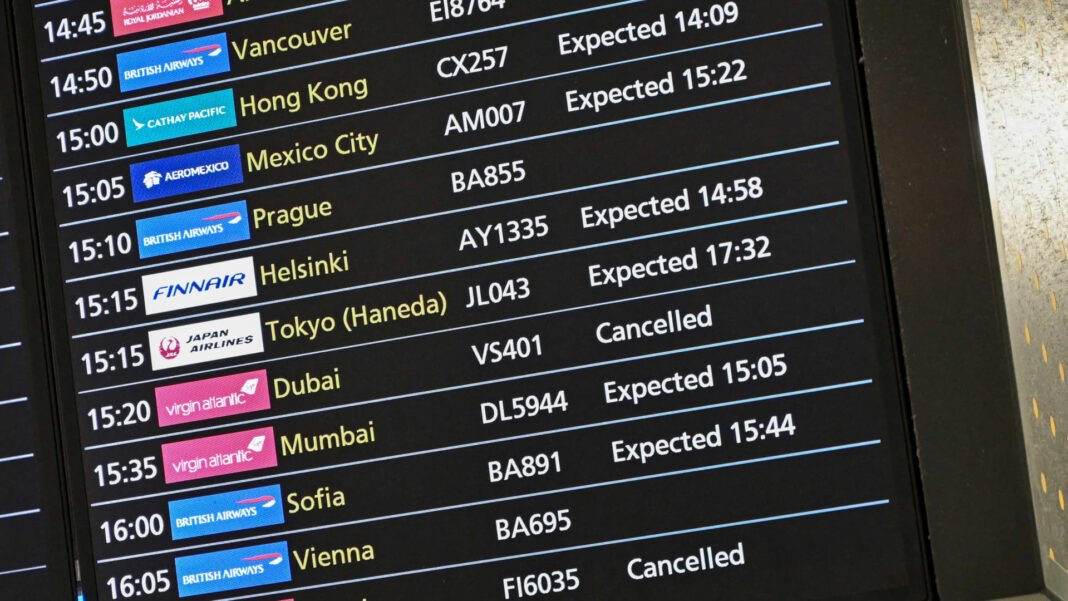
Civilian infrastructure was also affected; notable targets included Dubai’s Atlantis The Palm resort and Dubai International Airport. Khamenei’s unexpected passing-after more than three decades at Iran’s helm without naming a successor-has thrown Iranian governance into turmoil. A provisional leadership council led by President Masoud Pezeshkian alongside senior judiciary members is currently managing affairs amid ongoing uncertainty.
Human Cost Amid Escalating Violence
- Iranian official sources report over 200 fatalities resulting from recent airstrikes within Iran’s borders.
- The U.S. Department of Defense confirmed that three American soldiers lost their lives while five others sustained serious injuries during retaliatory attacks.
Global Financial markets React to heightened Geopolitical Risks
The prospect of an extended conflict has sent ripples through international commodity markets during Monday’s trading sessions:
- U.S. crude oil prices surged by more than 8%, rising $5.55 to reach $72.57 per barrel.
- The Brent crude benchmark climbed nearly 9%, adding $6.54 to close at $79.41 before easing slightly later in the day.
this sharp increase reflects widespread concerns about disruptions to Middle Eastern oil exports along critical supply routes such as the Strait of Hormuz-a chokepoint responsible for roughly 20% of global petroleum shipments according to recent energy reports.
Flight Toward Safe-Haven Investments
Amid growing uncertainty worldwide, investors turned toward precious metals with gold and silver prices climbing approximately 2%. The U.S dollar index gained modestly by 0.26%,settling at 97.863 late Monday evening.
Meanwhile, yields on ten-year Treasury notes hovered near four percent (3.97%), rebounding from an eleven-month low recorded last friday (3.926%). These movements indicate cautious optimism mixed with risk aversion among market participants seeking stability amid geopolitical turmoil.
Stock Markets Face Downward pressure Globally
- S&P 500 futures dropped around one percent while Nasdaq futures declined slightly more than one percent during early Monday trading sessions.
- The dow Jones Industrial Average futures fell sharply by over five hundred points (approximately -1%).
- Affected Asian indices included Japan’s Nikkei (-1.25%), Topix (-1 .34%),Hong Kong Hang Seng (-1 .15%), China CSI300 (-0 .30%) along with Australia’s S&P/ASX200 slipping nearly half a percent (-0 .48%).
Divergent Views on Conflict Duration & Diplomatic outlooks
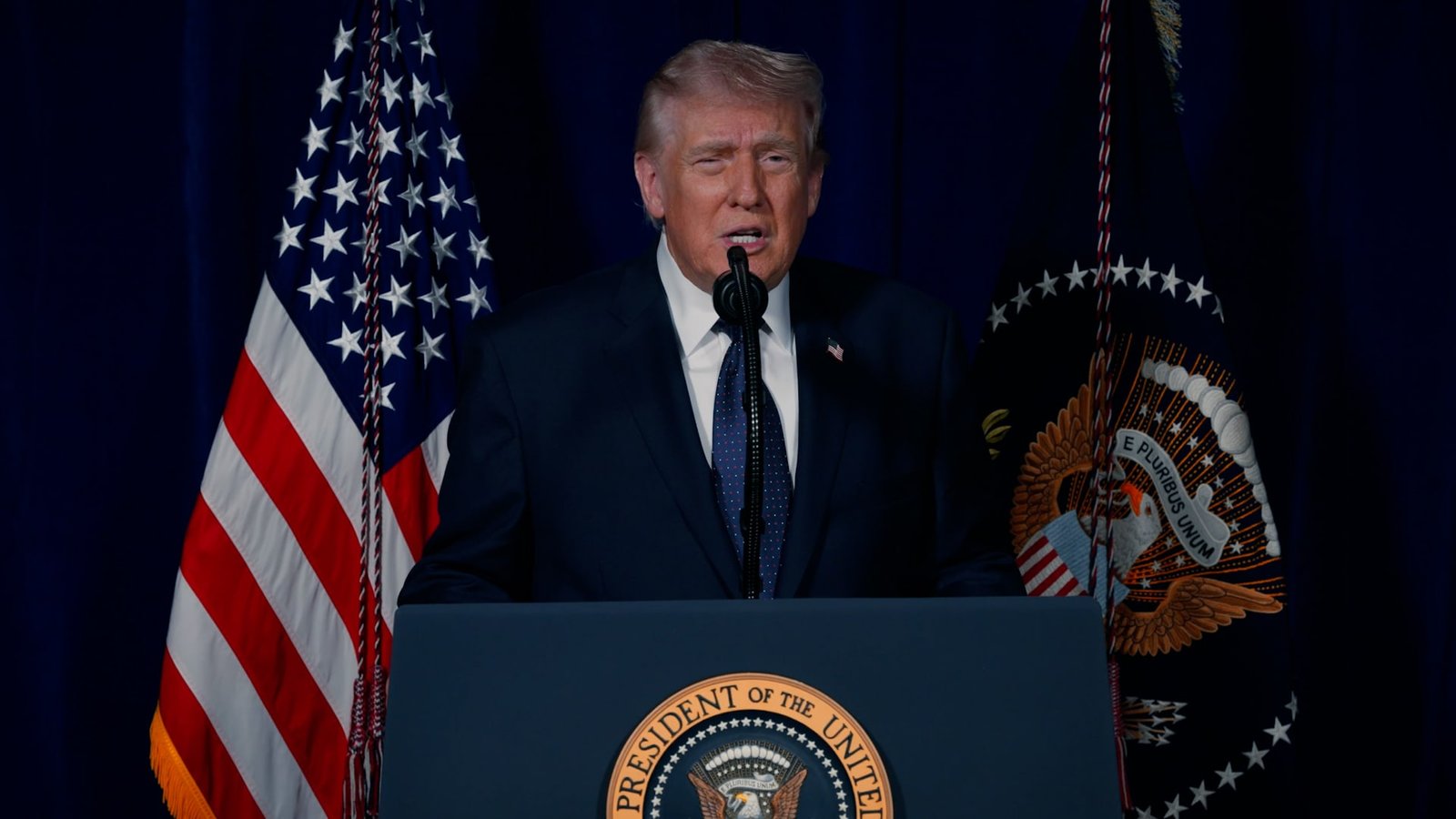
The Trump administration anticipates further American casualties as operations continue; former President Donald Trump projected this confrontation could last up to four weeks based on patterns observed in previous conflicts.
He expressed openness toward diplomatic engagement if Iran’s emerging leaders demonstrate willingness for dialog-a position met with firm rejection from Iranian officials who categorically refuse negotiations under current U.S leadership conditions.
Ali Larijani, security chief closely tied to Tehran’s regime legacy structures stated bluntly: “We will not negotiate with the United States.”
“Historically these engagements take about four weeks…It is a large country; it will take four weeks-or less.”
This unfolding crisis also raises constitutional debates regarding war powers as only Congress holds authority to declare war-a point emphasized by legal experts criticizing unilateral executive military actions absent legislative approval or immediate threat justification.
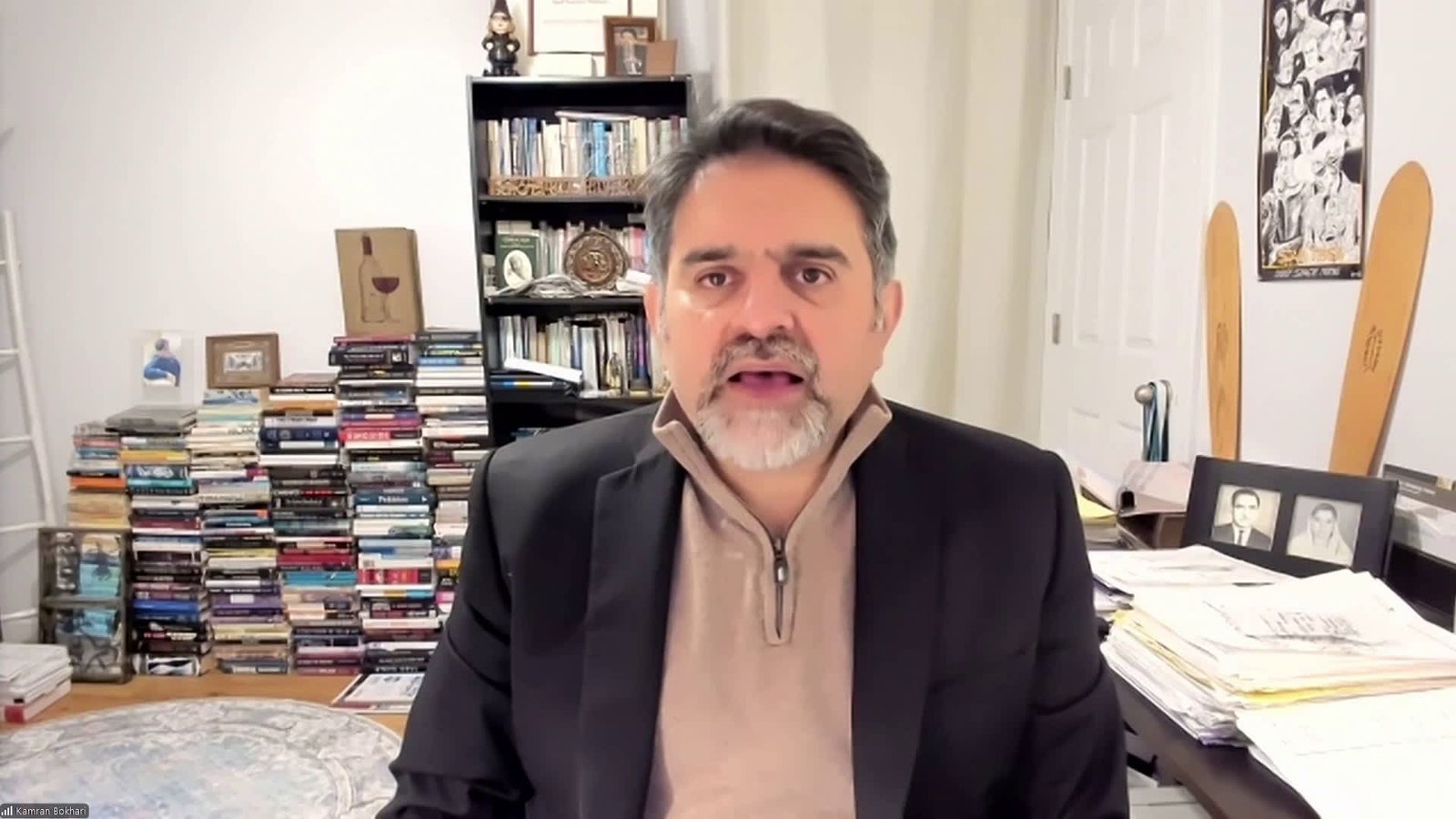
Brian Finucane from an international crisis think tank highlighted that this large-scale strike lacks clear legal basis under existing frameworks governing presidential use-of-force decisions historically.
Several lawmakers voiced concern about potential prolonged entanglement leading to costly regional instability without defined strategic goals or exit strategies.
International Reactions Shape Diplomatic Dynamics
- China: Chinese Foreign Minister Wang Yi condemned what he termed unacceptable aggression against Iran including assassination attempts aimed at regime change; Beijing called urgently for ceasefire efforts alongside renewed dialogue initiatives between involved parties.
- Russia: Russian President Vladimir Putin expressed condolences over Khamenei’s death describing it as “a cynical murder violating human morality,” urging immediate diplomatic engagement rather than further militarization.
- mideast Allies:Gulf Cooperation Council states aligned closely with Washington reaffirmed their commitment toward defending sovereignty amidst missile threats targeting their territories.
- The European Union:EU Commission President Ursula von der Leyen advocated support for political transition processes within Iran reflecting democratic aspirations among its populace.
- < strong >United kingdom:While London distanced itself from direct participation in strikes it authorized use of UK bases strictly for defensive operations targeting Iranian missile infrastructure according to Prime Minister Keir Starmer.
< li >< strong >Australia & Canada :Both Canberra under Prime Minister Anthony Albanese plus Ottawa led by Mark Carney endorsed US efforts preventing nuclear proliferation risks posed by Tehran while condemning destabilizing activities threatening global peace.