Rising Tensions at the UN Over US Strikes on Iranian Nuclear Facilities
Urgent security Council Session Ignites Worldwide Controversy
The United Nations Security Council (UNSC) convened an emergency meeting in response to recent airstrikes led by the United States targeting Iran’s nuclear infrastructure. This military action sparked intense backlash from numerous member states demanding an immediate cessation of hostilities in the Middle East. Meanwhile, the US and its close ally Israel defended the strikes as a critical step toward regional security.
Efforts for a Ceasefire Face Political Deadlock
A coalition comprising Russia, China, and Pakistan introduced a resolution calling for an “immediate and unconditional ceasefire.” Even though it avoided directly naming either the US or Israel, it strongly condemned attacks on Iranian nuclear sites. For this resolution to pass, it requires support from at least nine council members without vetoes from any of the five permanent members-China, France, Russia, the UK, and the US. given Washington’s firm opposition, approval appears unlikely.
Warnings About regional Instability Escalate
UN Secretary-General Antonio Guterres expressed deep concern over rising tensions during his address to council members. He warned that these strikes mark a perilous escalation in an already volatile region prone to cycles of retaliation.
“The bombing of Iranian nuclear facilities by the United States represents a perilous shift in a region already fraught wiht instability,” Guterres remarked. “Without urgent efforts to revive meaningful negotiations on Iran’s nuclear program, we risk descending into endless cycles of reprisal.”
Divergent Views within The Security Council Chamber
The acting US ambassador justified Washington’s actions as vital for dismantling Iran’s uranium enrichment capabilities to protect American citizens and allies across the region.
“The time has come for decisive measures,” ambassador Dorothy shea asserted. “Any aggression against American forces will be met with overwhelming force.”
Conversely,Iran’s representative Ali Bahreini denounced what he called politically motivated assaults orchestrated by Western powers alongside their European partners. He stressed that Tehran retains full control over when and how it responds militarily.
israel’s envoy Danny Danon dismissed criticisms condemning his country’s involvement while affirming that these operations have bolstered global security efforts. When asked about supporting regime change in Tehran he replied: “That decision rests solely with Iranians themselves.”
Cautious Appeals Amid heightened Hostilities
- china: Ambassador Fu Cong urged all parties toward restraint and called for an immediate halt to fighting due to fears that escalation could spiral beyond control.
- Russia: Vasily Nebenzya criticized unilateral military actions by Washington as violations of international norms perhaps triggering unpredictable consequences.
- Pakistan: Asim Iftikhar Ahmad voiced solidarity with Iran amid what he described as unlawful aggression by Israel while emphasizing concerns about worsening regional stability.
The Extent and consequences of Attacks on Nuclear Sites
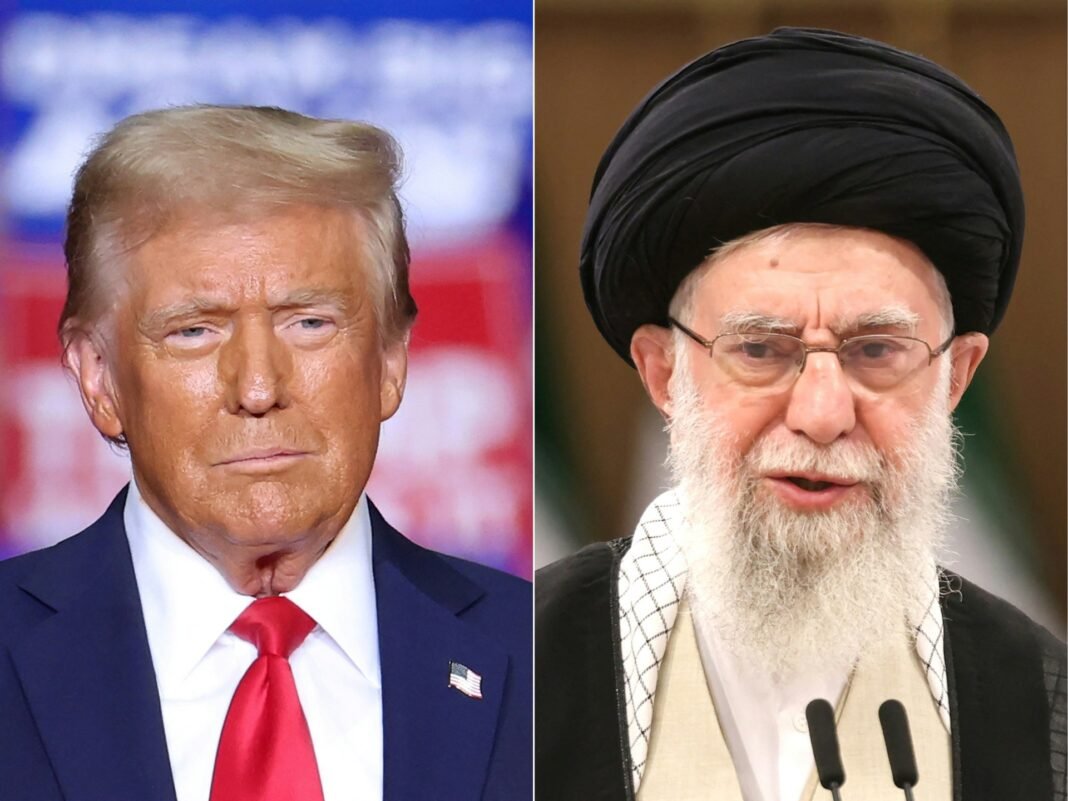
This wave of airstrikes marks one of the most critically important Western military interventions against Tehran as 1979. Former President Trump declared key Iranian enrichment facilities had been “obliterated,” signaling unprecedented levels of confrontation not seen in decades.
The International Atomic energy Agency (IAEA) Director Rafael Grossi reported visible damage at several critical locations: craters where identified near fordow; tunnel entrances around Isfahan appeared targeted; Natanz-a site previously hit by sabotage-suffered fresh damage as well. Though, precise evaluations remain arduous due to complex underground structures involved in these installations.
Iran accused Grossi personally of enabling conditions favorable for Israeli-American attacks after his agency declared non-compliance regarding Tehran’s adherence to international nuclear safeguards just days before initial strikes began.
A Delicate Balance Amid Geopolitical Rivalries And Uncertain Outcomes
This escalating crisis highlights how fragile diplomatic initiatives are amid competing interests among global powers within forums like UNSC. With no clear path toward consensus or de-escalation yet apparent-and rhetoric growing increasingly hawkish-the danger persists that retaliatory spirals could escalate uncontrollably unless urgent dialog resumes under renewed frameworks addressing both security concerns and diplomatic engagement surrounding iran’s nuclear ambitions.