Revealing the Worldwide Web of Digital Censorship Driven by Geedge Networks
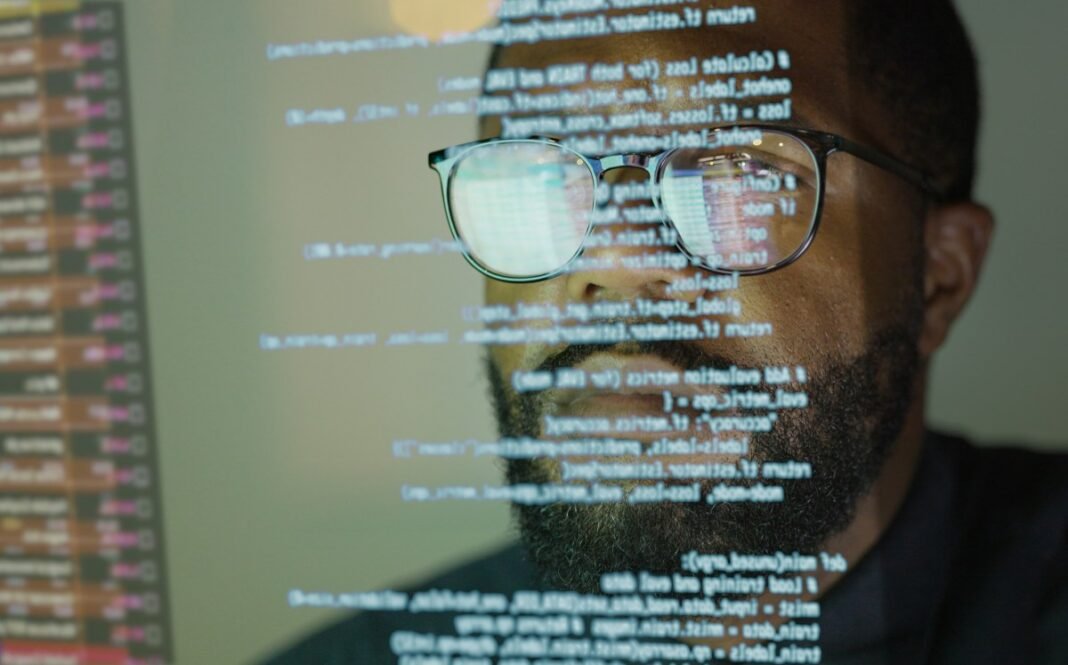
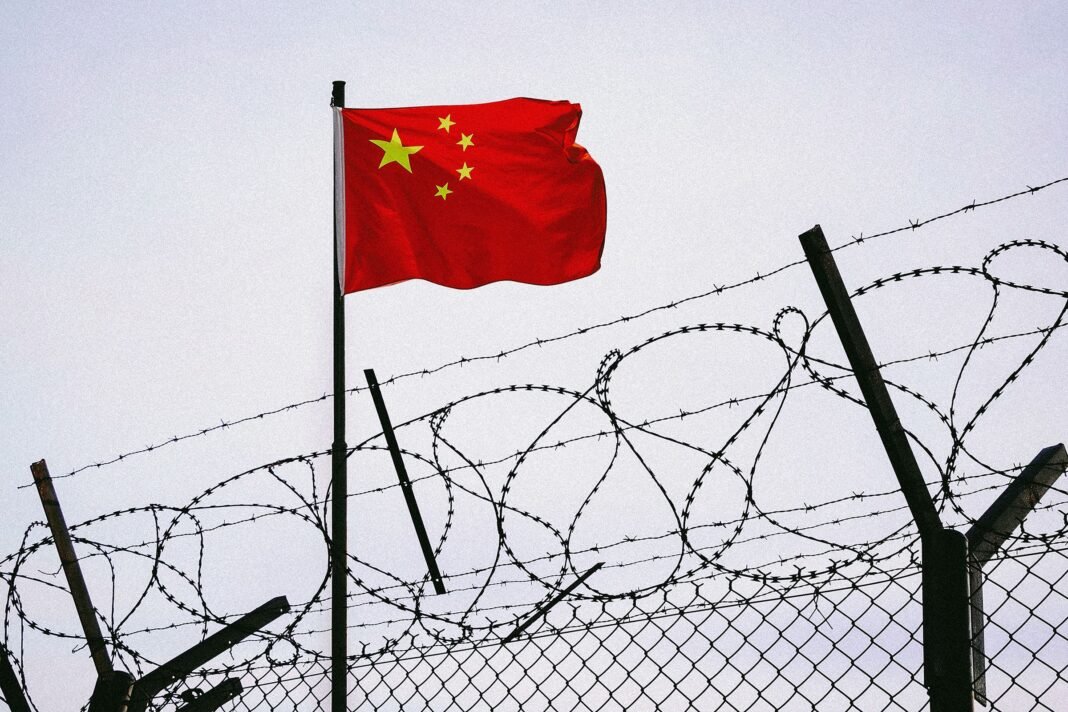
A significant data breach has unveiled over 100,000 confidential documents exposing Geedge Networks, a lesser-known Chinese company, as a key player in distributing advanced internet censorship technologies to governments around the globe. These tools draw heavily from China’s notorious Great Firewall model, facilitating extensive online monitoring and control.
Geedge Networks: Emerging Powerhouse in State-Sponsored Internet Regulation
Established in 2018,Geedge Networks markets itself as a provider of cutting-edge network surveillance and cybersecurity solutions designed to improve business risk management and visibility. However, leaked evidence reveals that its actual offerings include comprehensive web traffic monitoring systems capable of blocking websites and VPNs while enabling targeted surveillance based on users’ digital footprints.
The company’s flagship products combine specialized hardware installations tailored for telecom infrastructure with intuitive software interfaces operated by government agencies. This fusion effectively transforms the Great Firewall concept into an exportable “digital authoritarianism as a service” platform. Upcoming features reportedly include offensive cyberattack modules available for hire and geofencing capabilities that restrict internet access depending on user location.
International Reach: Nations Under Digital Watch
The leaked materials confirm active deployments in countries such as kazakhstan,ethiopia,Pakistan,Myanmar,along with at least one undisclosed nation. Job postings from Geedge suggest plans to broaden their footprint across Belt and Road Initiative nations including Malaysia, Bahrain, Algeria, India-and possibly others-by recruiting engineers willing to travel internationally for system maintenance.
For example, by early 2024 Myanmar had installed Geedge equipment across 26 data centers managed by 13 different ISPs. Despite public denials from some local telecom operators about involvement with surveillance infrastructure, leaks reveal these companies hosted geedge hardware within their facilities.
Core Technology Breakdown: Tiangou Secure Gateway (TSG)
The centerpiece of this censorship ecosystem is the Tiangou Secure gateway (TSG), which processes all internet traffic flowing through national data centers. It inspects every packet-whether encrypted or not-to filter content or block connections deemed suspicious. For unencrypted streams like standard website content or emails sent without TLS encryption protocols (which still account for roughly 7-8% of global traffic), TSG can directly intercept sensitive details.
When dealing with encrypted communications protected by TLS or similar protocols-which now represent over 90% of worldwide web traffic-the system uses deep packet inspection combined with machine learning algorithms to analyse metadata patterns rather than decrypting actual content. This approach allows it to detect attempts at bypassing censorship via VPNs or proxy services even when payloads remain hidden inside encryption tunnels.
“This technology grants governments unprecedented powers far exceeding typical lawful interception methods used in democratic societies,” notes an expert specializing in digital forensic analysis involved with reviewing the leak materials.
User Surveillance Platform: The Cyber Narrator Dashboard
The Cyber Narrator interface offers government operators real-time analytics on millions of simultaneous connections-for instance tracking up to 81 million concurrent users solely within Myanmar-with geographic mapping linked directly to mobile cell tower locations. Operators can identify whether individuals are using VPN services among hundreds cataloged specifically for prioritized blocking-including widely used apps like NordVPN and Telegram alternatives favored globally for secure communication.
This dashboard also enables detailed monitoring of individual user behaviour alongside broad censorship controls targeting entire populations during politically sensitive events such as protests or elections.
Evolving Hardware & Tactical Adjustments
- Shift Toward Domestic Hardware: Initially dependent on Western servers from brands like HP and Dell-which faced sanctions risks-Geedge pivoted toward Chinese-manufactured equipment ensuring supply chain stability amid escalating geopolitical tensions;
- System Integration: In Pakistan’s case documented through licensing papers dated October 2024-the firm repurposed legacy deep-packet-inspection devices abandoned after Canadian vendor Sandvine withdrew due to US sanctions;
- Censorship Efficiency Gains: Technical logs reveal rapid progress-from initially ineffective VPN blocking capabilities toward near-total obstruction within months;
- Tactical Activation Timing: In Ethiopia prior to February 2023’s nationwide internet blackout events coinciding precisely with shifts from passive observation modes toward active interference repeatedly recorded;
- User Reputation Scoring Experiments: Features under trial assign baseline reputation scores starting at around 550 points per user; failure to exceed thresholds (e.g., below 600) may trigger restricted access requiring personal ID verification including facial recognition inputs;
- sophisticated Targeting Mechanisms: Leaked scripts indicate plans for constructing relationship graphs between users based on app usage patterns plus geofencing restricting digital movement via cellular triangulation;
- Hazardous Malware Injection potential: The platform reportedly supports injecting malicious code into unsecured websites visited by targets-a method simplifying personalized cyberattacks without manual vulnerability hunting;
An Expanding Shadow: From Xinjiang’s Digital Repression Back Into Global Markets
Apart from exporting these technologies abroad under cryptic client codenames such as K18 (Kazakhstan) or P19 (pakistan), evidence shows that lessons learned overseas are re-imported back into China itself-especially focusing on Xinjiang province where Uyghur Muslims endure intense digital repression extensively documented since early last decade.

This regional rollout began around mid-2024 following pilot programs elsewhere domestically-in provinces like fujian and Jiangsu-where efforts shifted towards combating financial fraud prevalent along China’s eastern seaboard using adapted network-monitoring frameworks.
Collaborations between geedge personnel and research institutions affiliated with the Chinese Academy of Sciences aim at evolving firewall architectures away from centralized models toward distributed systems allowing more granular provincial control.
These developments highlight how authoritarian regimes continuously refine their digital repression tools while simultaneously marketing them globally disguised under cybersecurity product labels.
Ties To The Original architect Behind China’s Great Firewall
A pivotal figure connecting these operations is Fang Binxing-a computer scientist widely regarded inside China as “the father” behind its original Great Firewall design who maintains significant influence over emerging projects.
Fang holds considerable indirect stakes through investment vehicles closely linked with parent entities controlling Geedge Networks.
His ongoing involvement signals technological continuity between foundational censorship efforts initiated two decades ago now being scaled both domestically within China-and exported internationally via companies like Geedge operating under new names but employing familiar strategies.
The Wider Consequences for Global Internet Freedom And Security
- Narrowing Circumvention Options: With nearly all major VPN providers identified then swiftly blocked-as recently observed in Myanmar-the window available for activists relying upon anonymity tools shrinks dramatically worldwide.;
- Sovereignty Versus Privacy Tradeoffs: Nations adopting turnkey solutions risk sacrificing critical citizen privacy rights while empowering state actors wielding unchecked authority rarely seen outside authoritarian regimes.;
- Diminished Sanctions Impact: The demonstrated ability especially regarding Pakistani infrastructure reuse highlights how export controls struggle against adaptive repurposing once technology crosses borders.;
- Pervasive Individual Target Risks: Mature malware injection techniques combined with detailed behavioral profiling threaten dissidents digitally-and physically if exploited maliciously.;
- An emerging Market For Digital Repression As A Service: This commodification makes state-level censorship accessible beyond conventional superpowers raising urgent questions about international regulatory responses needed promptly.;
“The scale at which this technology operates today means no one shoudl underestimate its chilling effect-not only inside closed societies but anywhere governments seek total dominance over information flows.”
A Call For Heightened Awareness Amid Rapid Technological Evolution
This unprecedented disclosure highlights how modern authoritarianism exploits sophisticated technologies cloaked beneath corporate facades promoting “network security.” As global connectivity becomes increasingly vital economically socially politically-it is crucial stakeholders recognize emerging threats posed by firms like Geedge whose products blur boundaries between cybersecurity defence versus invasive mass surveillance enabling widespread human rights violations worldwide.