Inside a Sophisticated Phishing Scheme Targeting iranian Activists and Diaspora Communities
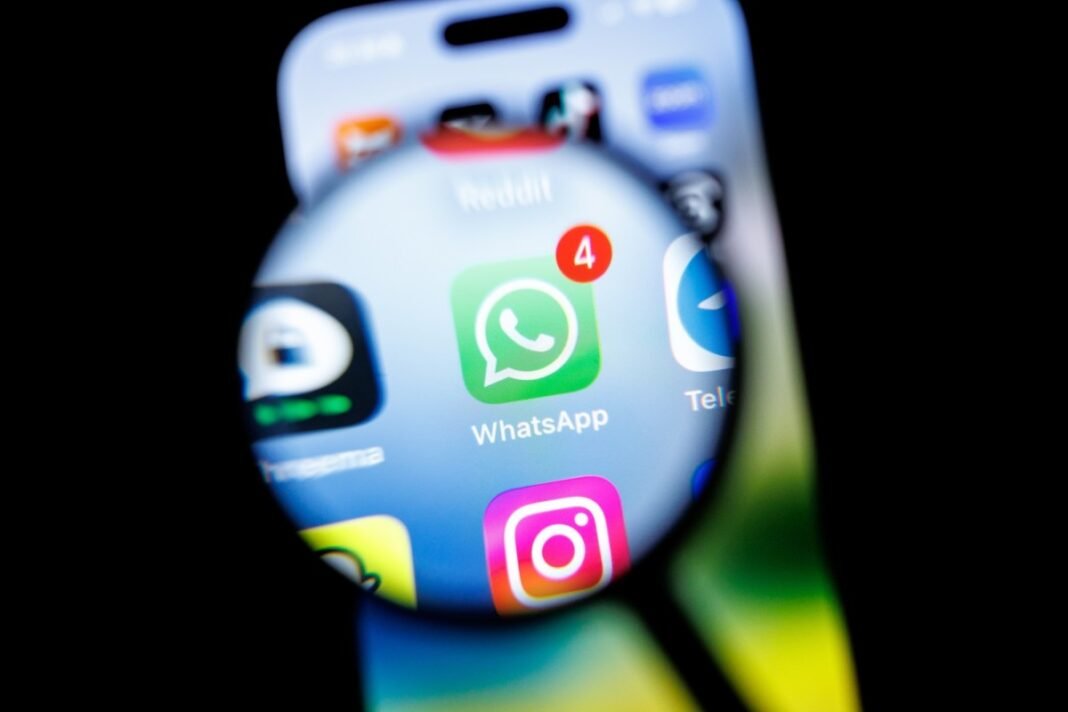
Amid ongoing political unrest in Iran and one of the most prolonged internet shutdowns recorded globally, a new phishing campaign has emerged targeting Iranian activists and diaspora members. This operation cleverly exploited WhatsApp messages to deceive individuals engaged in Iran-related activities,reflecting the growing intersection of cyber tactics with real-world conflicts.
The Mechanics Behind the Phishing Attack
The assault initiated when targets received WhatsApp texts containing malicious links. these URLs redirected users to counterfeit websites crafted to imitate trusted services, primarily aiming to harvest Gmail credentials and phone number verifications. To obscure their infrastructure,attackers utilized dynamic DNS providers such as DuckDNS,complicating efforts to trace their true server locations.
Interestingly, these phishing domains-examples include secure-meetings.online, login-access.net, and verify-whatsapp.com-were registered several months before the attack escalated. Hosted on shared servers, these sites impersonated various virtual meeting platforms in a coordinated attempt to ensnare multiple victims simultaneously.
Tactics for Capturing Credentials and Authentication Codes
The fraudulent pages prompted users for both gmail login details and phone numbers as part of an elaborate scheme designed not only to steal passwords but also two-factor authentication (2FA) codes. Security researchers uncovered over 900 victim records stored unprotected on attacker-controlled servers-a critical operational oversight that exposed extensive data including correct and incorrect password attempts.
This trove contained usernames, passwords, 2FA tokens resembling formats like Google’s “G-XXXXXX,” plus user agent strings revealing device types ranging from Windows laptops through Android smartphones to iPhones. Such comprehensive logging effectively operated as an embedded keylogger within the phishing workflow.
Hijacking WhatsApp Accounts via QR Code Exploitation
The campaign’s reach extended beyond credential theft by abusing WhatsApp’s device linking feature through QR codes displayed on fake login pages mimicking official interfaces. When victims scanned these codes with their phones, attackers gained remote access enabling full control over WhatsApp accounts-including conversations and contact lists.

Additionally, malicious browser scripts requested permissions for geolocation tracking alongside microphone and camera access using standard web APIs (navigator.geolocation, navigator.mediaDevices.getUserMedia). If granted-wich social engineering often persuades users to do-the attackers coudl continuously monitor location updates every few seconds while remotely capturing audio clips or images from compromised devices without user awareness.
A Wide Spectrum of Targets Highlights Strategic Intentions
The affected individuals represented diverse sectors: academics specializing in Middle Eastern security studies; senior officials within Lebanese government bodies; executives at Israeli aerospace firms; journalists covering regional affairs; plus numerous contacts linked through U.S.-based networks by phone or affiliation.This varied profile suggests deliberate espionage rather then random mass exploitation-focusing on influential figures connected with Iranian diaspora communities amid escalating geopolitical tensions throughout 2025-2026.
An Intelligence Operation? Indicators Point Toward State Sponsorship
Cybersecurity analysts identified hallmarks consistent with campaigns attributed historically to state-backed entities such as Iran’s Islamic Revolutionary Guard Corps (IRGC). The precise cross-border targeting combined with exploitation of trusted dialog channels like WhatsApp aligns closely with IRGC-style spearphishing tactics documented over recent years worldwide.
“The global scope paired with sophisticated social engineering strongly indicates an intelligence-driven mission rather than opportunistic cybercrime,” noted a mobile espionage expert.
If accurate, objectives likely include intercepting confidential communications among dissidents or foreign contacts during periods when traditional information flows are severely disrupted due to internet blackouts lasting weeks longer than any previously recorded worldwide since early 2026 began.(Based on latest global outage analyses)
A Financially Motivated Hypothesis: Less Likely but Possible?
An option clarification considers financially motivated threat actors targeting high-value corporate executives whose email accounts might contain sensitive intellectual property or cryptocurrency wallet credentials accessible via stolen logins combined with intercepted two-factor tokens.
However unusual requests for continuous media capture (photos/audio) alongside persistent location tracking diverge significantly from typical ransomware gangs focused primarily on rapid monetization.
Domain registration timelines suggest infrastructure was established months ahead-perhaps indicating hybrid motives blending espionage cover operations funded by illicit financial gains facilitated through criminal affiliates contracted by state actors seeking plausible deniability.
Historically, Iranian authorities have outsourced cyber offensives via proxy hacker groups internationally sanctioned due to ties enabling covert digital campaigns against perceived adversaries both domestically and abroad.
Cultivating Resilience: Key Defensive Measures Against Similar Threats
- Avoid engaging unsolicited links: Even familiar messaging platforms can be weaponized using convincing social engineering aimed at trusted networks;
- Diligently verify URLs: Dynamic DNS subdomains may appear authentic yet conceal malicious hosts;
- Pursue robust multi-factor authentication: Hardware security keys offer stronger protection compared to SMS-based methods vulnerable if intercepted;
- Nevigate unknown QR codes cautiously: Especially those promising access without clear context or verification;
- Keeps all software updated regularly:: Browser patches frequently close vulnerabilities exploited by drive-by downloads embedded within phishing sites;
- Sought professional cybersecurity support promptly upon suspicion:: Early intervention drastically limits potential damage scope;
The Larger Picture: cyber Conflict Amidst Iran’s Political Upheaval
This case exemplifies how digital arenas increasingly reflect physical battlegrounds globally – where governments deploy hacking campaigns not only for intelligence collection but also psychological warfare aimed at destabilizing opposition movements internally while surveilling diaspora communities externally.
With millions impacted annually worldwide by targeted attacks exploiting human trust more than technical flaws alone,a proactive cybersecurity stance remains vital irrespective of geography or political alignment alike.
“This incident highlights why constant vigilance against unsolicited communications is crucial – especially amid volatile geopolitical climates where adversaries exploit every available vector.”