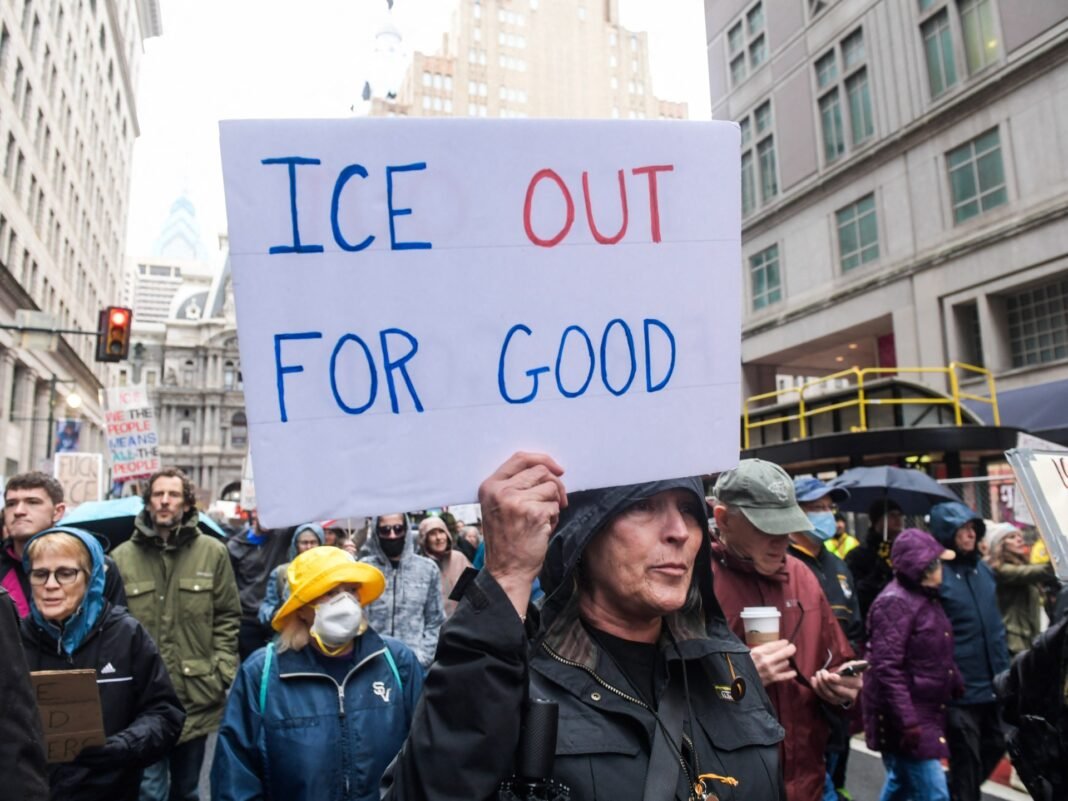
Department of Homeland Security Faces Critical Funding Deadlock
The United States Department of Homeland Security (DHS), tasked with overseeing immigration enforcement and emergency response, is on the brink of a notable funding crisis as Congress struggles to pass the necessary budget. This impasse threatens to trigger a partial government shutdown affecting key DHS operations.
Political Gridlock and Its ramifications
The Senate adjourned without approving the DHS appropriations bill, while the House of Representatives entered a recess, making a shutdown highly probable once current funding expires at midnight in Washington, DC.The stalemate primarily revolves around disagreements on immigration enforcement policies.
Tensions escalated following federal raids in Minnesota earlier this year that resulted in two American citizens’ deaths. Reports emerged accusing masked agents of using excessive force and intimidating local residents during these operations, fueling controversy and political division.
Democratic Push for Immigration Enforcement Reforms
In reaction to these incidents, congressional Democrats have introduced reform proposals targeting immigration and Customs Enforcement (ICE), an agency within DHS. Their demands include prohibiting ICE officers from concealing their identities with masks, banning racial profiling practices, and stopping immigration raids at sensitive locations such as schools and religious institutions.
Democrats have firmly stated they will block any DHS funding legislation unless these reforms are incorporated into the bill.
Republican Resistance Amid Senate Procedural Challenges
The Republican Party holds majorities in both chambers but has rejected Democratic reform requests as excessive. However, due to Senate rules requiring 60 votes to overcome filibusters on major bills-and with only 52 Republicans-passing the funding measure without bipartisan support remains unattainable.
A recent vote saw 52 senators favoring the funding bill against 47 opposing it; nearly all Democrats opposed except one moderate senator. Leading Democrats condemned provisions allowing ICE agents warrantless home entries while masked and accused them of using children strategically during enforcement actions.
Consequences for Federal Employees and Public Services
If no agreement is reached before deadlines pass, tens of thousands of federal workers could face furloughs or unpaid duties. Essential agencies may be forced to curtail services until new appropriations are enacted.
The Transportation Security Administration (TSA), responsible for airport security under DHS oversight, warned that staff shortages caused by unpaid absences could led to longer wait times nationwide-especially critical during peak travel periods when U.S. air passenger volumes exceed 220 million monthly according to recent industry reports from Airlines for America.
DHS Immigration enforcement Operations Continue Uninterrupted
Despite potential disruptions elsewhere within DHS’s portfolio, immigration enforcement activities conducted by ICE and Customs and Border Protection (CBP) will remain operational due to separate multi-billion-dollar budget allocations approved last year under complete spending legislation often referred to as “One Big Lovely Bill.”
A Recurring Pattern: Budget Standoffs Impacting Government Functions
Budgetary impasses have long been used as political leverage in Washington; last year saw the longest federal shutdown ever recorded at 35 days amid disputes over healthcare subsidies among other issues. Earlier this month’s budget deal extended general government funding through September but allocated only two weeks specifically for DHS pending further negotiations-a temporary fix leaving uncertainty unresolved.
The Larger Political Landscape: Heightened Scrutiny on Immigration Policies
This current deadlock follows announcements halting aggressive immigration crackdowns like those recently suspended in Minnesota after public backlash intensified scrutiny over ICE tactics nationwide ahead of midterm elections where immigration remains a decisive voter issue across many states.
A recent national poll revealed that roughly 65% of Americans believe ICE has exceeded appropriate boundaries in its enforcement efforts-a reflection of growing public concern about civil rights implications tied to widespread deportation campaigns ongoing across multiple states today.