rising Geopolitical Strains: The Strategic Role of the Strait of Hormuz in Global energy
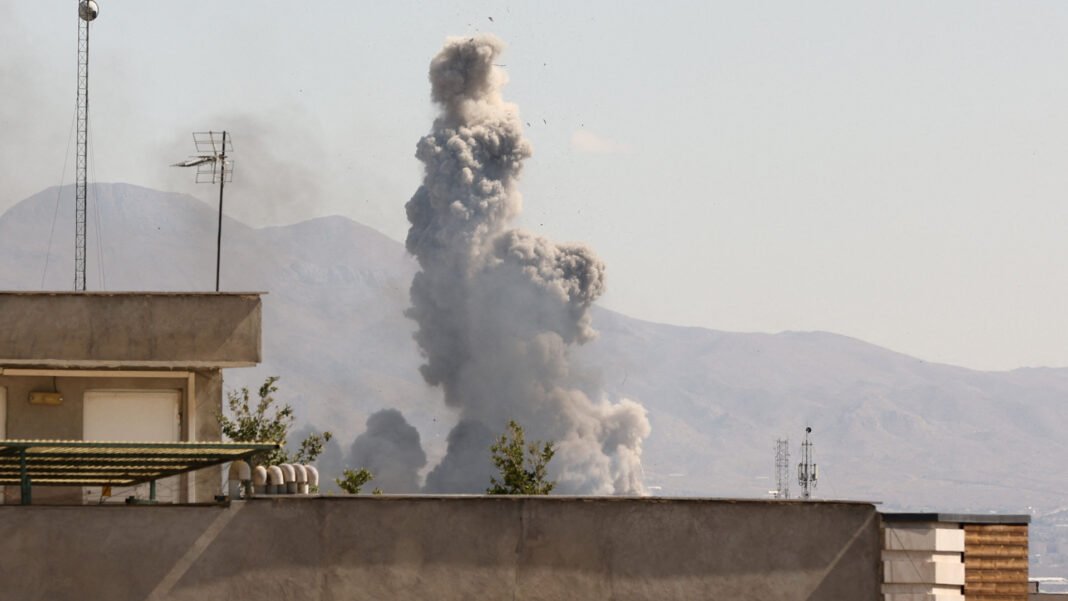
Heightened military engagements involving US and Israeli forces targeting Iranian interests have triggered swift retaliatory strikes from Tehran, impacting multiple countries across the middle East including Saudi Arabia, Iraq, Oman, Bahrain, Jordan, Kuwait, Qatar, the UAE, and Israel. This escalation has intensified concerns over potential interruptions to a critical artery for global energy supplies.
The Strait of Hormuz: A Vital Maritime Gateway
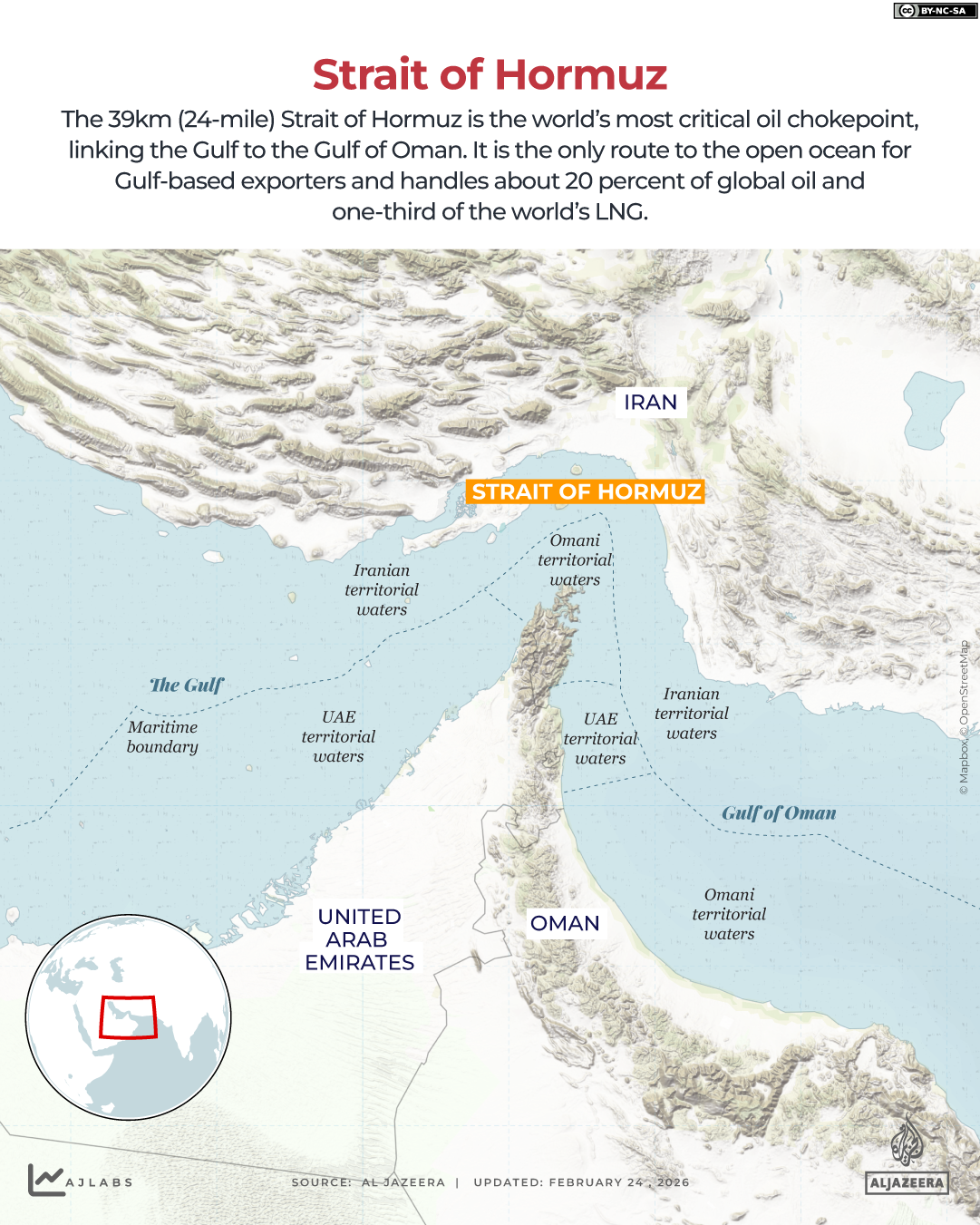
Located between Iran on one side and Oman and the United Arab Emirates on the other, the Strait of hormuz is a narrow passage linking the Persian Gulf with the Gulf of Oman and ultimately leading to the Arabian Sea. At its narrowest stretch-just 33 kilometers (21 miles) wide-with shipping lanes roughly 3 kilometers (2 miles) each way, this chokepoint remains highly vulnerable to blockades or unfriendly actions.
This strategic waterway accommodates some of the world’s largest crude oil tankers. It is indispensable for major oil-exporting nations in this region that rely heavily on it for efficient shipment while importing countries depend on its uninterrupted flow to maintain energy security.
Energy Throughput: Quantities and Economic Significance
In 2024 alone, nearly 20 million barrels per day, valued at close to $500 billion annually according to recent statistics, traversed this crucial maritime corridor. The bulk originates from Iran alongside exports from Iraq, Kuwait, Qatar, Saudi arabia, and UAE.
The strait also serves as a key conduit for liquefied natural gas (LNG), handling about 20% of global LNG shipments annually. Qatar stands out as a dominant exporter within this segment.
Main Markets receiving Energy supplies
- Asia: Roughly 84% of crude oil passing through heads toward Asian economies such as China, India, Japan & South Korea-together accounting for nearly 70% consumption via this route.
- Mediterranean & Europe: Nations like Greece import hydrocarbons routed near these waters but have recently advised vessels against transiting due to escalating risks in regional waters.
The Growing Threats Endangering Global Energy Stability
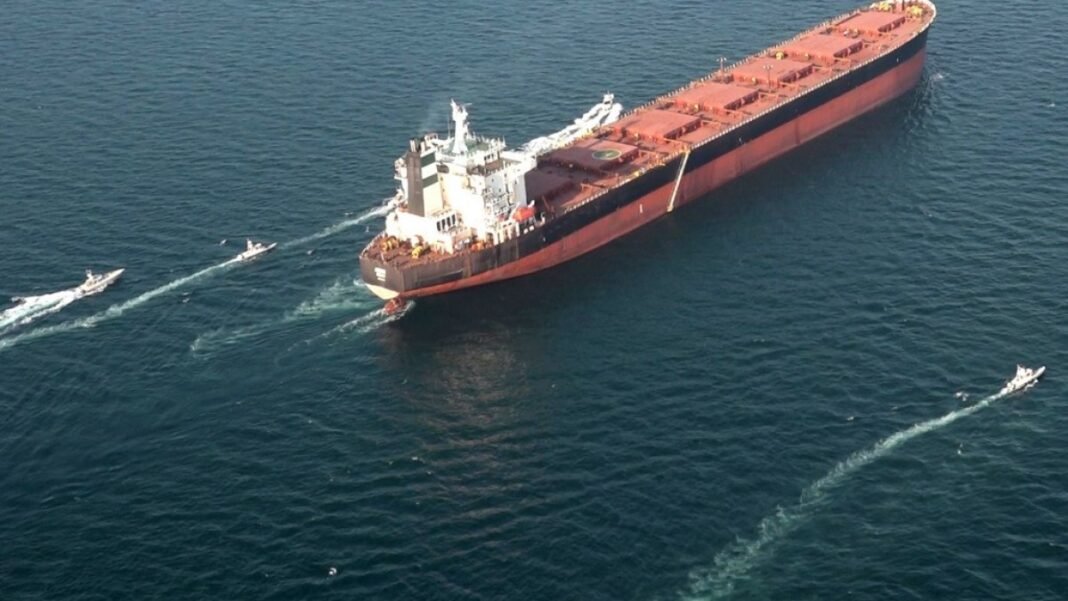
Tensions surged when Iran’s Revolutionary Guard corps issued warnings over very high frequency channels declaring “no ship is allowed” passage through Hormuz-although no official closure has been enacted yet. Despite ambiguous declarations, many tanker operators have temporarily halted shipments citing safety concerns amid rising uncertainty.
“Our fleet will remain anchored until further notice,” disclosed an anonymous senior trading desk official reflecting widespread apprehension among maritime operators navigating these contested routes.
This precarious situation jeopardizes not only regional peace but also global economic stability given how reliant international markets are on steady flows through this corridor.
If Closure Occurs: Potential Impact on Oil Prices
- Sizable price spikes:Around one-third (~30%)of seaborne crude oil passes here; jet fuel accounts for approximately 20%,gasoline/naphtha about 16%. Any disruption would reverberate strongly across commodity markets worldwide.
- Sustained supply chain disruptions:A recent attack near omani waters targeting an oil tanker signals escalation beyond military targets toward vital energy infrastructure.
- Tanker bottlenecks:An estimated 150+ vessels-including LNG carriers-have reportedly anchored offshore near producers like Iraq & Saudi Arabia due to heightened risk perceptions.
Broad Economic Consequences Beyond Fuel Markets
A prolonged surge in fuel prices would ripple throughout global economies by inflating transportation costs and manufacturing expenses. Analysts warn that if prices sustain above $100 per barrel-which remains plausible amid current tensions-inflationary pressures could increase by up to 0.7 percentage points globally within months.
“Such shocks tighten financial conditions worldwide,” notes a commodities economist specializing in climate impacts at Capital economics.”Emerging market central banks may postpone easing monetary policies due to volatile commodity prices.”
This scenario risks pushing fragile economies closer toward recession while exacerbating inflation trends already felt post-pandemic recovery efforts across many regions worldwide.
Evolving Geopolitical Risks Surrounding Energy Infrastructure
The current conflict marks an evolution where energy assets themselves become direct targets rather than solely military installations-a development complicating diplomatic solutions compared with previous confrontations such as last year’s strikes which did not directly disrupt maritime traffic or infrastructure operations alike.
Navigational Strategies Amid Uncertainty
- Cautious rerouting continues with advisories issued by nations including Greece urging avoidance around sensitive zones;
- An uptick in naval patrols aims at protecting commercial shipping lanes;
- Diversification efforts accelerate among import-dependent countries seeking alternative suppliers or transit routes;
this unfolding situation highlights how deeply geopolitical stability intertwines with global economic health-and why vigilant monitoring around strategic chokepoints like Hormuz remains essential for policymakers navigating an increasingly complex era marked by shifting alliances and resource competition alike.