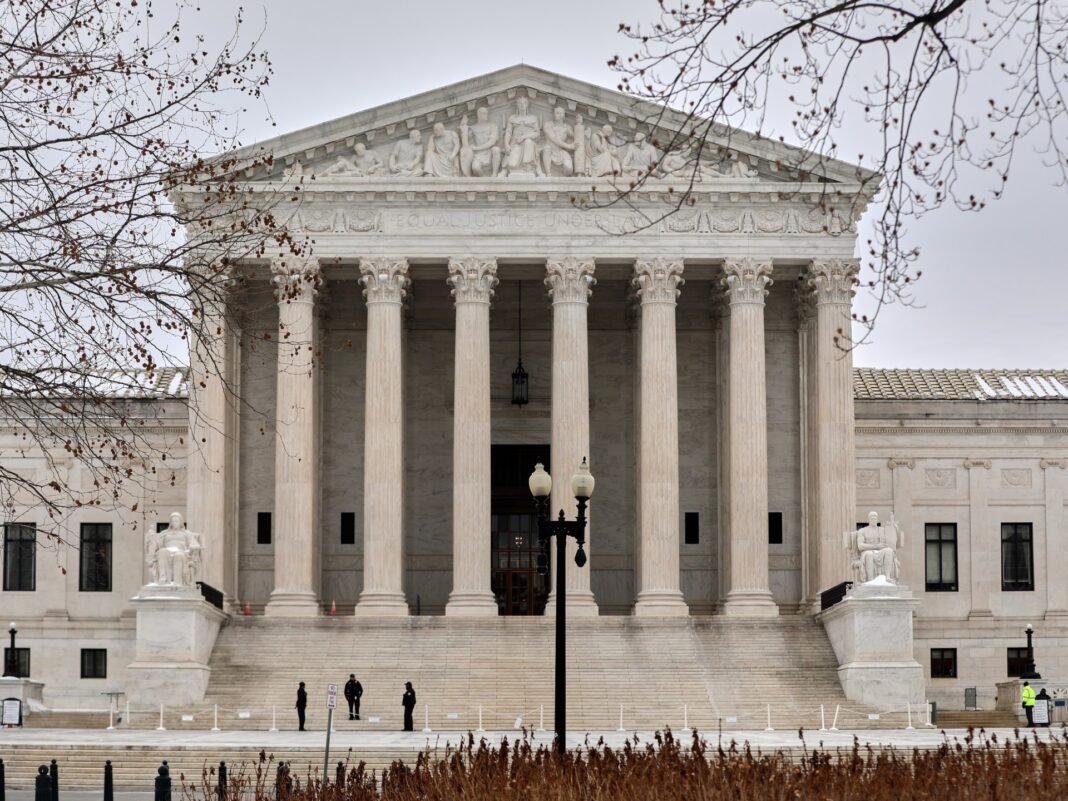
Supreme Court Restricts Presidential Authority on Tariff Impositions
The United States Supreme court has struck down the sweeping tariffs enacted by former President Donald Trump under a statute intended for national emergencies, delivering a significant limitation on executive power with profound implications for global commerce.
Reevaluating Executive Power in Trade Policy
This decision concludes years of Trump’s use of tariffs-taxes applied to imported goods-as a key instrument in shaping economic strategy and international diplomacy. The ruling clarifies the constitutional boundaries surrounding such actions.
Constitutional Limits on Taxation Powers
In a 6-3 verdict penned by Chief Justice John Roberts, the court determined that Trump’s reliance on the 1977 International Emergency economic Powers Act (IEEPA) to enforce broad tariffs overstepped presidential authority. The justices reaffirmed that imposing taxes, including tariffs, is an exclusive prerogative of Congress under the Constitution.
Roberts emphasized precedent stating that “the president must ‘point to clear congressional authorization'” when asserting extraordinary powers-a standard Trump did not meet according to the majority opinion.
The Constitutional Debate Over tariffs
The majority underscored that taxing authority was deliberately vested solely in Congress by the Framers. Roberts wrote,”No portion of this taxing power was delegated to the Executive Branch,” directly challenging one of Trump’s most assertive uses of executive influence during his administration.
Dissenting justices Samuel Alito, Clarence Thomas, and Brett Kavanaugh defended maintaining these tariffs. Kavanaugh argued that while opinions about tariff policy differ widely, their legality under existing laws had historical and textual support.
Consequences for Businesses and State Governments
This case originated from lawsuits filed by affected companies alongside twelve states-mostly led by Democratic governors-that contested Trump’s unilateral submission of IEEPA as unprecedented and unlawful for imposing import taxes without Congressional approval.
A pressing unresolved question is whether businesses can recover billions paid under these disputed tariffs; major retailers such as Walmart have already begun seeking refunds through legal avenues. Justice Kavanaugh acknowledged potential complexities ahead but left room for future rulings on reimbursement claims.
Tangible effects on Commerce and Industry
- retail Sector: Large chains faced increased costs due to tariff-related price hikes;
- Manufacturing: supply chains experienced disruptions affecting production timelines;
- Agriculture: Exporters encountered retaliatory barriers impacting market access;
The Role of Tariffs in Shaping Global Trade Relations
The tariff policies initiated during Trump’s second term triggered widespread tensions across international markets. His approach strained ties with major partners like China-the world’s second-largest economy-and unsettled financial markets globally, contributing notably to economic volatility across multiple industries.
Economic analyses estimate more than $180 billion was collected via IEEPA-based tariffs before reporting ceased near mid-2024. This suggests significant sums may be subject to refund following this Supreme Court decision invalidating those specific measures.
A New Era Emphasizing Congressional Oversight
This landmark ruling signals an enhanced role for Congress in future trade policy decisions. Analysts anticipate lawmakers will likely approve targeted sanctions against China but remain cautious about broader or retaliatory duties aimed at allies such as Canada or Mexico concerning issues like fentanyl imports or reciprocal trade restrictions more generally.
navigating Legal Alternatives After the Verdict
The previous administration defended its tariff program as vital protection against unfair foreign competition threatening American industries-a stance frequently justified through national security concerns linked with trade imbalances.
If primary legal grounds are rejected-as now occurred-officials have indicated plans to explore alternative statutory authorities permitting limited imposition or retention of certain duties based on national security risks or retaliation against unfair trading practices identified by U.S agencies.
- Laws Addressing National Security: Allowing duties when imports jeopardize critical infrastructure or safety;
- Tit-for-Tat Measures: Targeted tariffs responding specifically to harmful foreign trade behaviors;
- Narrower Application Scope: Unlike IEEPA’s broad reach, these alternatives offer more constrained powers with less immediate effect;
No current law matches IEEPA’s extensive scope or rapid enforcement capabilities demonstrated previously; thus policymakers face challenges replicating similar impacts swiftly within constitutional limits going forward.
“This judgment marks a firm rebuke against unchecked executive action regarding trade,” noted an expert specializing in international economics.
“It demands greater transparency and legislative participation moving ahead.”
Evolving Trade Conflicts: Lessons From Recent Years

- An illustrative example includes semiconductor shortages worsened partly due to retaliatory duties disrupting component supply chains across Asia-Pacific hubs;
- Sectors like automotive manufacturing absorbed higher costs passed onto consumers amid shifting tariff landscapes;
- Nations increasingly pursue multilateral agreements aiming at reducing dependence on unilateral sanctions or emergency powers similar to those invoked here;
.