Walmart and target: Steering Through Leadership Transitions and Market Challenges in 2026
Distinct Leadership Visions Amid Economic Pressures
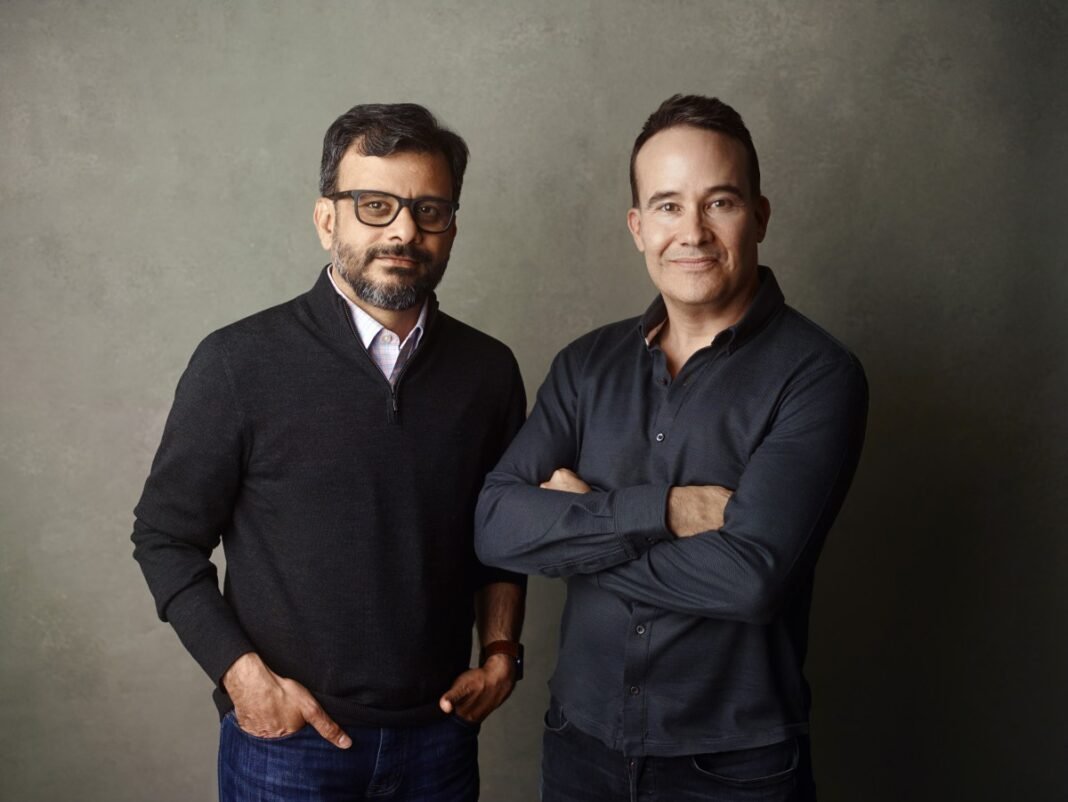
As walmart and Target gear up to announce their holiday season earnings, attention shifts from short-term financial outcomes to the strategic directions shaped by their newly appointed CEOs. John Furner at Walmart and Michael Fiddelke at Target both assumed leadership on February 1, 2026, bringing extensive experience cultivated within their organizations.
while both retailers confront similar macroeconomic challenges-such as inflation-driven price hikes impacting groceries and everyday essentials-their approaches diverge significantly. American consumers continue to spend cautiously, prioritizing necessities over discretionary items amid persistent tariff uncertainties.
Contrasting Stock Trajectories reflect Retail Realities
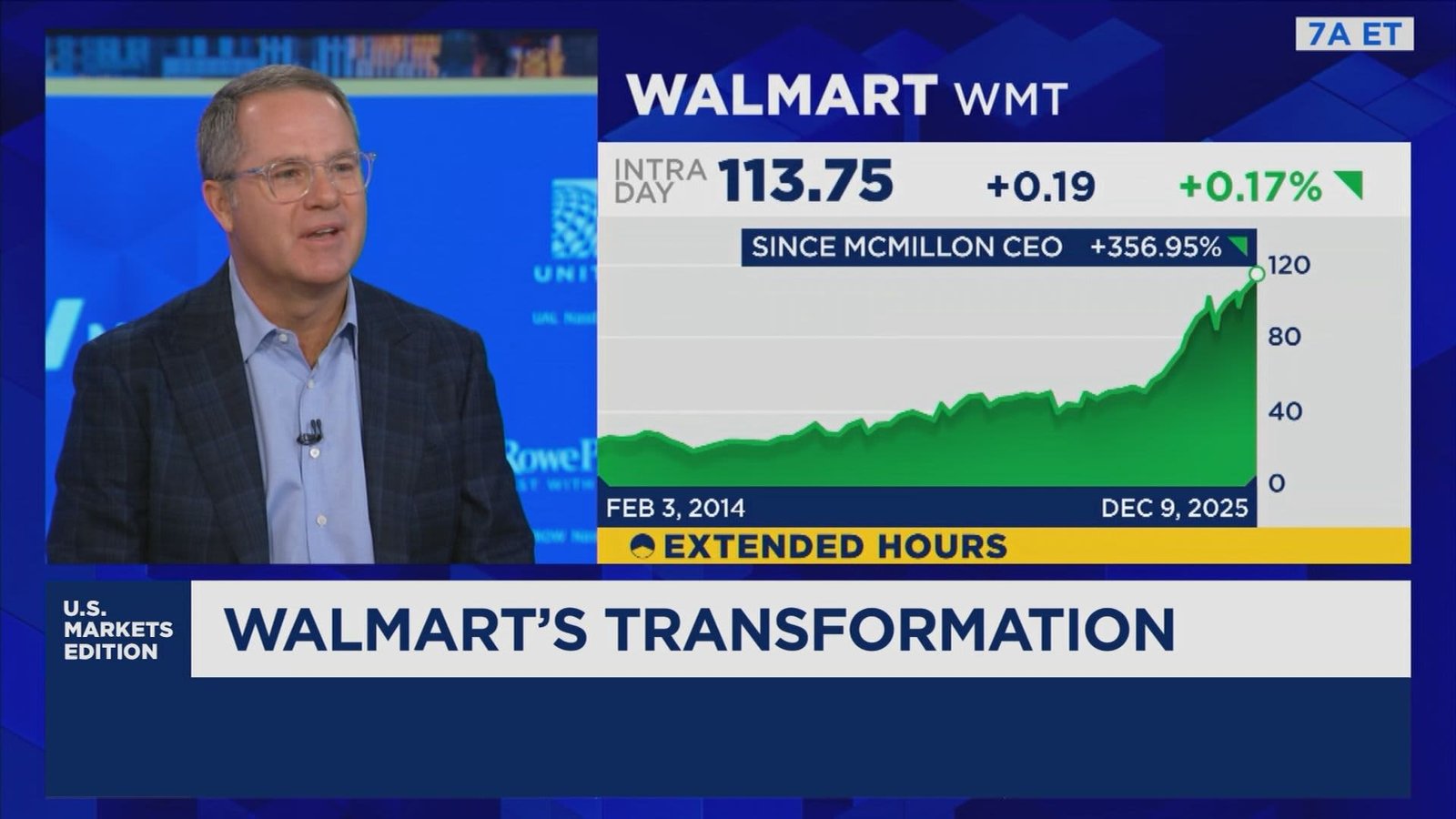
Walmart’s stock has experienced a remarkable rise of about 163% over the past five years, including a robust 24% increase in the last twelve months alone, recently reaching a fresh 52-week peak. Conversely, Target’s shares have fallen nearly 40% during the same period with an additional decline of roughly 10% this past year.
This disparity aligns with sales performance: Walmart successfully attracts shoppers across diverse income levels while expanding its digital footprint and high-margin sectors like advertising. In contrast, Target struggles with sluggish revenue growth alongside diminishing in-store traffic.
The Road Ahead for Walmart Under John Furner
This fiscal fourth quarter marks significant milestones for Walmart. Earlier this year, its market valuation surpassed $1 trillion-a historic benchmark-and it transitioned its stock listing from NYSE to Nasdaq to better align with technology-centric competitors such as Amazon.
Furner steps into his role overseeing a business analysts describe as “fundamentally strong” with positive momentum. His previous tenure as CEO of Walmart U.S., managing the company’s largest division including digital expansion initiatives, equips him well for this challenge.
The retailer is aggressively integrating artificial intelligence technologies; collaborations with OpenAI’s ChatGPT and Google’s Gemini are designed to enhance customer experiences through AI-powered chatbots that simplify product discovery online.
In May last year, Walmart announced global profitability for its e-commerce segment for the first time-driven by growth in home delivery services, advertising revenues, and expansion of third-party marketplace offerings.
“Our next chapter will unlock innovative ways to bring our people-led yet tech-driven vision into reality,” furner remarked internally soon after taking charge. “Harnessing our global scale enables us to serve customers faster and more reliably wherever they choose.”
Navigating Competition From Amazon and Discount Grocers
The retail titan faces fierce rivalry not only from Amazon-which is poised to surpass Walmart soon as America’s top retailer by annual revenue-but also from discount grocers like Aldi that are rapidly expanding across more than 180 U.S. locations this year alone.
A key advantage remains Walmart’s vast physical presence combined with strong online ordering capabilities-a hybrid model contrasting Amazon’s recent strategy of shuttering some Fresh & Go stores while converting others into Whole Foods outlets focused on fresh produce offerings.
Target’s Revival Strategy Under Michael Fiddelke

Succeeding Brian Cornell after four years marked by stagnant sales growth presents Fiddelke with a daunting task: revitalizing one of America’s most iconic discount retailers amid evolving consumer expectations.
The forthcoming earnings report will shed light on how Target intends not only to halt declines but also regain momentum through recent strategic investments-including boosting store staffing despite ongoing workforce reductions elsewhere within corporate offices and distribution centers totaling approximately 500 job cuts so far this fiscal year.
Tackling Operational Challenges & Brand Perception Issues
- Dwindling foot traffic both online and offline;
- Crowded aisles frequently plagued by out-of-stock products;
- Cusomer frustrations stemming from long checkout wait times;
- Navigating backlash related to social policies affecting brand loyalty;
- A renewed emphasis on merchandising quality highlighted by launching an innovative fashion-focused store in New York City’s SoHo district aimed at inspiring broader product improvements nationwide.
A Reorganized Leadership Team Driving Transformation
- The reinstatement of a chief merchant role signals renewed focus on product curation;
- Cara Sylvester now leads merchandising efforts following her success improving guest experiences;
- A leadership reshuffle includes Lisa Roath stepping up as COO while longtime executives Rick Gomez departs after over ten years; Jill Sando retires from her merchandising leadership position;
- An internal memo outlined four pillars guiding change: sharper merchandising strategies; enhanced customer experience; accelerated technology adoption; stronger workforce engagement coupled with community investment.
“This investor event offers us all an possibility-to demonstrate we understand what customers want,” said industry analyst Corey Tarlowe expressing cautious optimism about upcoming changes at Target.
“The lingering question remains whether markets will recognize these shifts quickly enough.”
Navigating Complexity While Embracing Innovation
Both retail giants face multifaceted challenges shaped by shifting consumer behaviors heavily influenced by inflationary pressures-yet each pursues distinct strategies aligned closely with their core strengths:
- Walmart: Capitalizes on scale combined with cutting-edge technological innovation such as AI integration aiming for seamless omnichannel experiences appealing broadly across demographics-including affluent shoppers seeking convenience paired with value.
- target: Concentrates intently on reinvigorating brand identity through improved merchandise assortments alongside operational enhancements designed around elevating customer satisfaction supported by targeted investments despite recent workforce contractions.
This evolving landscape sets up an intriguing competitive dynamic throughout 2026 where investors keenly observe how these legacy retailers adapt amid rapid digital disruption while maintaining relevance among increasingly discerning American consumers navigating uncertain economic conditions ahead.