Alex Honnold’s Bold Climb of Taipei 101: A Live Netflix Broadcast Sparks Intense Debate
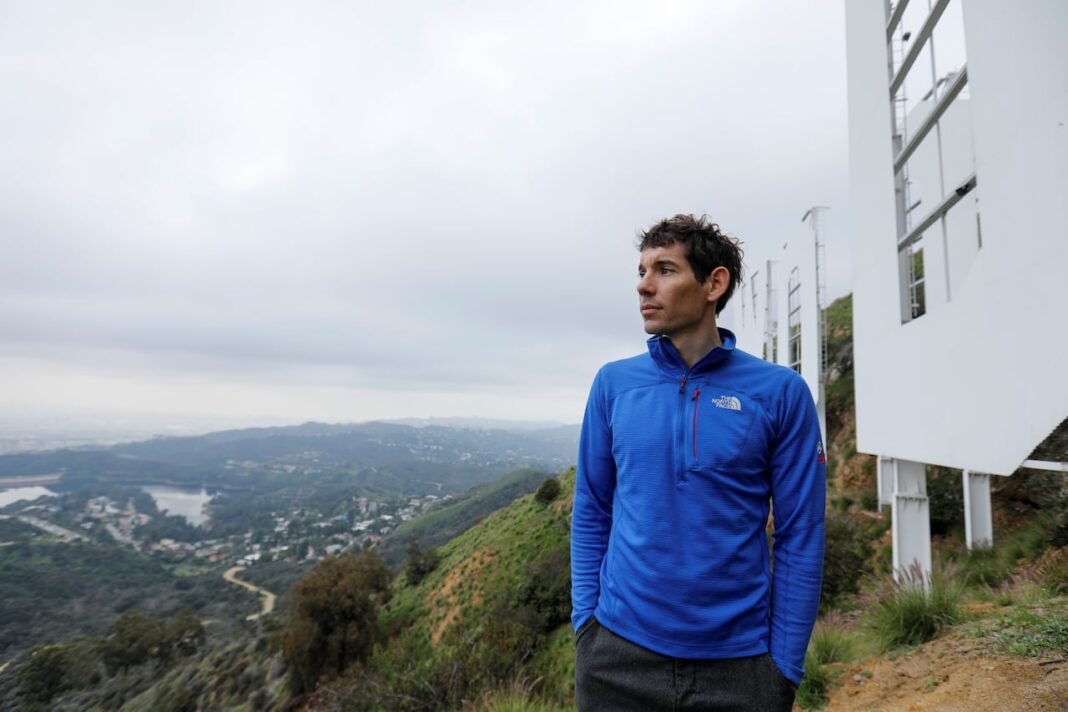
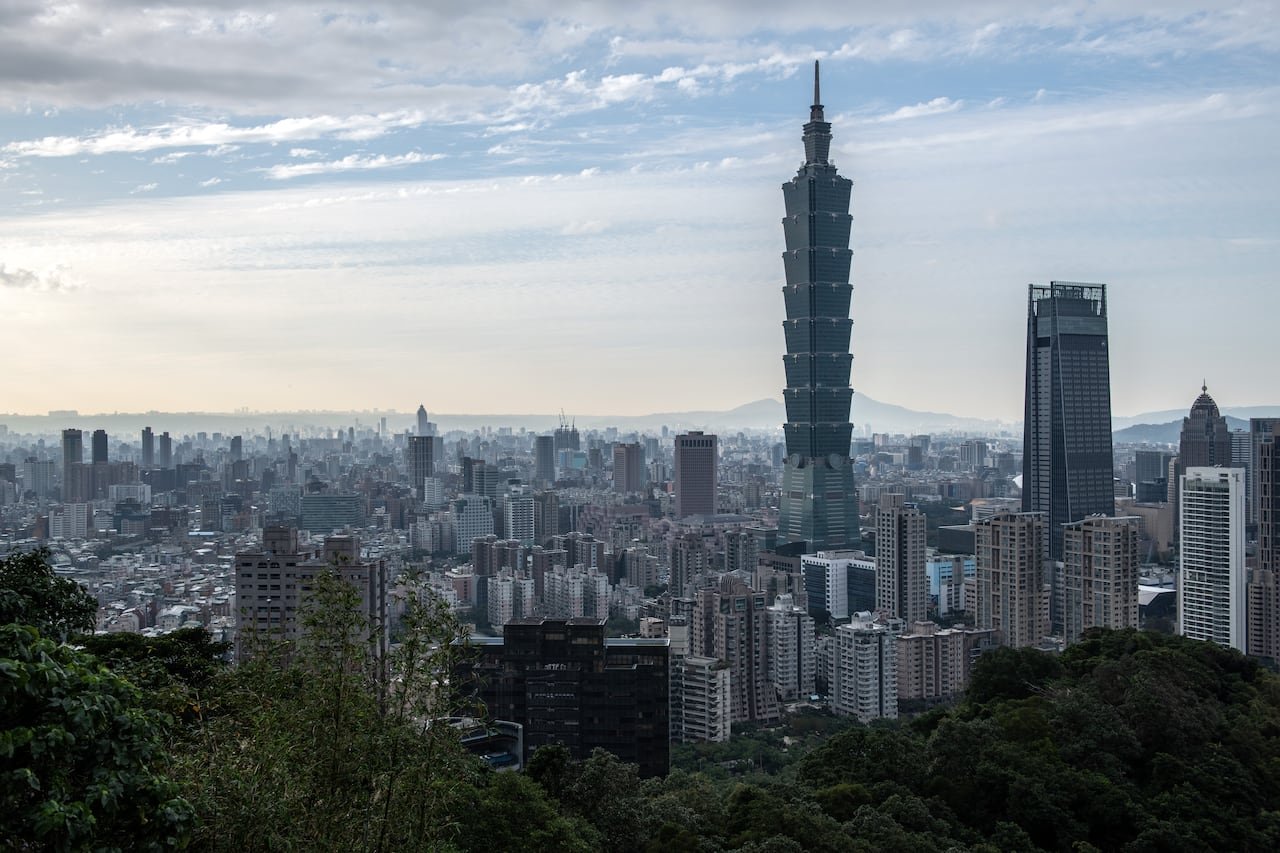
This Friday evening, celebrated free solo climber Alex Honnold is set to undertake a remarkable challenge: ascending Taiwan’s iconic Taipei 101 skyscraper, which soars to an extraordinary height of 508 metres, without any safety equipment. This daring feat will be streamed live worldwide on Netflix under the title Skyscraper live,igniting widespread discussion about the limits of entertainment and the ethics involved in televising life-threatening stunts.
A Groundbreaking Urban Climb Without Safety Gear
The idea of someone scaling one of the tallest buildings on earth-towering over half a kilometre high-without ropes or protective gear seems almost surreal. Yet Honnold, renowned for his Oscar-winning documentary Free Solo, is prepared to do exactly that. Audiences across the globe will experience this heart-stopping ascent as it happens.
This event represents a novel fusion between urban architecture and extreme climbing sports-a discipline traditionally linked with natural rock faces such as Yosemite’s El Capitan-ushering in a new era for extreme sports coverage.
The Magnetic Pull and Ethical Dilemmas of High-Risk Entertainment
The spectacle provokes complex questions about why viewers are captivated by such hazardous performances. Some spectators feel uneasy not only as of the obvious risks but also due to concerns that these stunts commercialize peril for mass entertainment.
online discussions reveal divided opinions; many praise Honnold’s extraordinary skill and bravery, while others dismiss it as repetitive sensationalism. A common thread is that much interest stems from morbid curiosity about whether he might fall-a grim fascination driving viewership numbers.
“The tension around his survival appears to be what fuels Netflix’s investment,” one observer remarked. “it shifts focus from pure climbing ability toward watching someone dance with death.”
Honnold’s Perspective on Motivation Amid Criticism
While acknowledging these critiques, Honnold stresses his authentic passion lies in embracing unique challenges rather than creating mere spectacle. He believes anyone given similar opportunities would eagerly accept them due to their inherent excitement and novelty.
Broadcasting Extreme Risk: Ethical Questions in Televised Sports
The comparison between high-contact sports like football or MMA-which involve frequent injuries despite protective gear-and free solo climbing often arises during debates about televised danger. Experts highlight key distinctions:
- Athletes usually wear specialized equipment designed to reduce injury;
- Conversely, Honnold intentionally climbs without any safety devices;
- This absence dramatically increases both risk levels and audience intrigue.
Loyola University Chicago media ethics expert Bastiaan Vanacker explains how this amplified danger shapes viewer appeal and marketing strategies:
“If Alex were secured by ropes during this climb, it simply wouldn’t hold viewers’ attention,” Vanacker notes. “The thrill comes directly from confronting mortal risk.”
A Historical Example: When Networks Prioritize Safety Over Spectacle
This dilemma isn’t new; broadcasters have long wrestled with balancing excitement against duty. In 2012, aerialist Nik Wallenda planned a tightrope walk across Niagara Falls without safety harnesses-but ABC required him to wear one before agreeing to air it live-highlighting concerns over liability and public reaction if tragedy occurred on camera.
The Intricate Risk Management Behind This Event
Beneath its seemingly reckless surface lies meticulous planning:
- An expert risk-management team familiar with Honnold’s previous climbs supervises all aspects;
- Taipei 101 features balconies every eight floors that could lessen fall impact;
- A ten-second broadcast delay enables producers to intervene if necessary during transmission.
Honnold estimates his chance of injury as “nearly zero,” citing both his extensive experience and structural safeguards mitigating potential dangers.
The Lengthy Approval process Leading Up To The Ascent
This enterprising project began more than a decade ago when Honnold first proposed scaling Taipei 101 but was initially denied permission due to safety worries.
Only after persistent negotiations-including assurances highlighting family responsibilities and thorough safety protocols-did local authorities grant approval.
this collaboration illustrates how extreme athletic pursuits increasingly intersect with regulatory oversight when staged publicly.
Cultural Implications: Rethinking Our Appetite For Thrill-Based Content
beyond admiration for physical skill lies broader societal reflection prompted by events like these:
Vanacker expresses respect for those pursuing meaningful challenges yet questions whether normalizing dangerous acts purely for ratings sets an unhealthy precedent.
“Are we comfortable endorsing entertainment where escalating hazards become central? What follows after witnessing someone scale skyscrapers unprotected?”
This ongoing debate invites creators and audiences alike to carefully consider how far our desire for adrenaline-fueled content should extend.