



Returning to the Moon: Humanity’s next Major Milestone in Space Exploration
More than fifty years after humans last set foot on the lunar surface, a new era of space exploration is dawning. NASA’s Artemis II mission, planned for early february, will send four astronauts-including Canadian Space Agency astronaut Jeremy Hansen-on a journey circling the moon. This mission represents humanity’s farthest voyage from Earth to date and reignites curiosity about our reasons for returning to the moon and how this venture could benefit life on our planet.
The Historical Pause in Lunar Missions and Its Causes
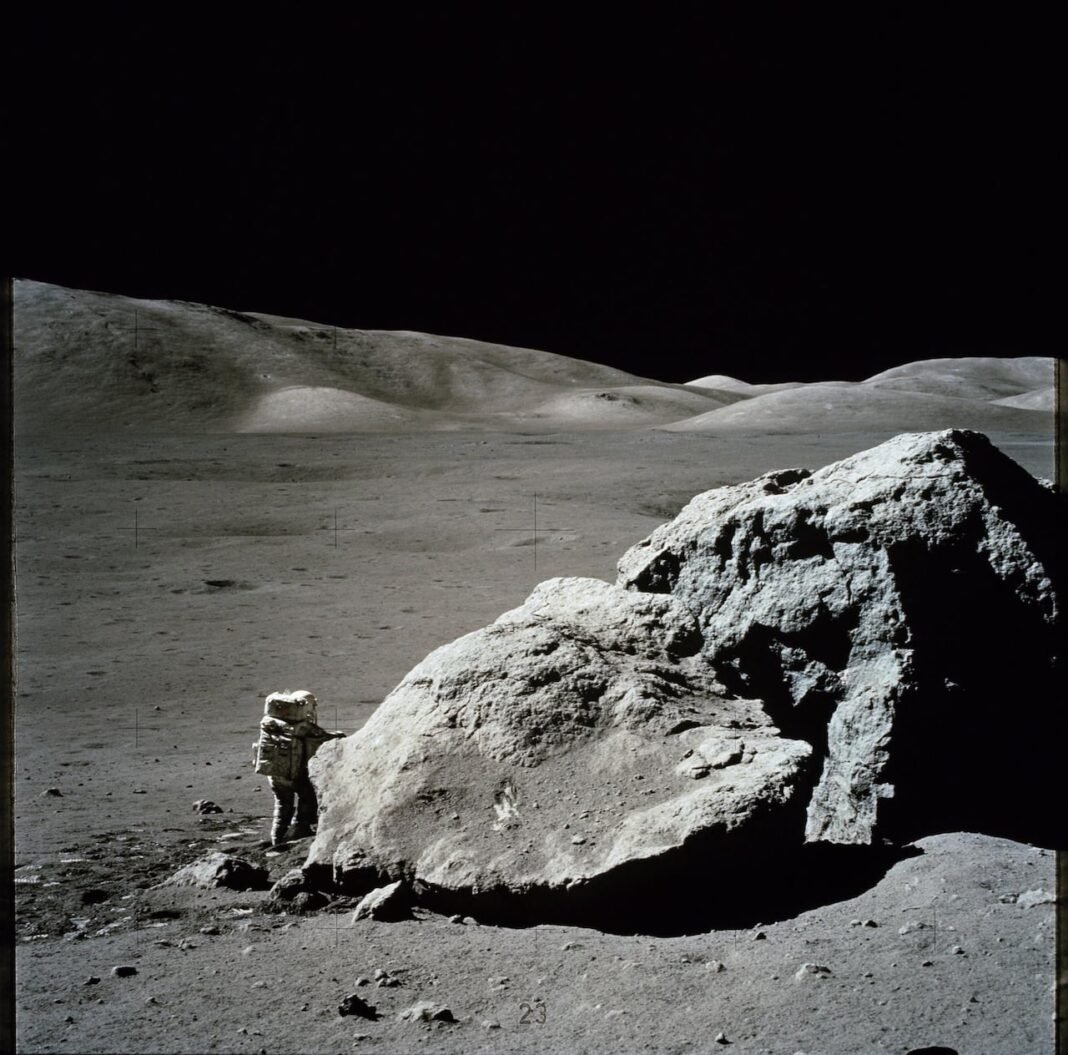
On July 20, 1969, Neil Armstrong and Buzz Aldrin became the first humans to walk on the moon while Michael Collins orbited above. This landmark event was meant to usher in an era of sustained human presence beyond Earth. However, after six more Apollo missions-with Apollo 13 famously aborted due to an onboard malfunction-the program concluded with Apollo 17 in December 1972.
The cessation stemmed from multiple factors: soaring expenses during the Vietnam War era, achieving geopolitical dominance by outpacing Soviet space achievements, and waning public interest all contributed.As then, no human has traveled beyond low Earth orbit for over five decades.
Artemis II: Pioneering New Steps Around Our Lunar neighbor
The upcoming Artemis II flight will not involve landing but will conduct a roughly ten-day flyby around the moon. Alongside Jeremy Hansen are NASA astronauts Reid Wiseman (commander), Victor Glover (pilot), and Christina Koch (mission specialist).Their mission is critical-to test spacecraft systems thoroughly and perform experiments that lay groundwork for Artemis III-a planned lunar touchdown near the unexplored south pole targeted for 2028.

A Worldwide Surge Toward Lunar Presence
Lunar exploration ambitions extend far beyond NASA’s scope today. China plans crewed lunar missions by 2030 as part of its expanding extraterrestrial goals. India targets sending astronauts to the moon by around 2040 while rapidly advancing its space technology capabilities.
This global momentum reflects how nations increasingly view establishing a foothold on the moon as both symbolic prestige and strategic advantage-opening avenues for scientific discovery; mining resources like water ice vital for sustaining habitats; or harvesting helium-3 isotopes that could revolutionize clean energy production back on Earth.
The Private Sector’s Role in Building a Lunar Economy
An increasing number of private enterprises are investing heavily in creating permanent operations either on or orbiting around the moon. These ventures include commercial payload delivery services as well as prospecting mining opportunities that may fuel future deep-space expeditions or terrestrial industries alike.
This burgeoning “space economy” already generates tens of billions annually worldwide through satellite communications alone-and experts forecast that integrating off-world resources could multiply these revenues exponentially within coming decades.
Scientific Innovations with Real-World Impact
Lunar exploration drives technological breakthroughs benefiting everyday life here on Earth:
- Remote medical monitoring: Health tracking technologies developed for deep-space missions have been adapted into telemedicine solutions crucial for isolated communities lacking immediate healthcare access;
- Refined robotics: Robotic systems inspired by Canadarm have evolved into advanced surgical tools enhancing precision operations globally;
- Sustainable technologies: Closed-loop life support innovations contribute directly toward improved water purification methods used worldwide;
- Diverse technological spin-offs: From cordless power tools modeled after space hardware requirements to miniaturized computing devices initially designed under spacecraft constraints-all trace their origins back to early space program demands.

The Long-Term Value Proposition Amidst Criticism
Certain critics argue funds devoted toward lunar projects might be better allocated addressing pressing issues such as climate change or poverty alleviation here at home. However,advocates highlight how investments today stimulate high-tech industries generating employment across diverse sectors-from materials extraction supporting spacecraft manufacturing through administrative roles linked indirectly via supply chains-and spur innovations ultimately enhancing quality of life globally.
“The fusion of space exploration with emerging fields like artificial intelligence promises transformative impacts upon humanity unlike anything before,” experts involved with international policy advancement surrounding outer-space utilization emphasize.”
The Road Ahead: Establishing Permanent Human Presence?
A key question remains whether current enthusiasm behind returning humans permanently onto-or even beyond-the moon will sustain longer than previous efforts like Apollo nearly six decades ago.
- Lunar bases currently under design aim at sustainable habitation enabling scientific research stations conceptually similar yet vastly more advanced than Antarctic outposts today;
- Missions plan extracting local resources reducing reliance upon costly resupply launches from Earth;
- Crew rotations envision multi-year stays fostering deeper understanding about living off-Earth environments essential before Mars expeditions become viable;
If successful over coming decades these initiatives may redefine humanity’s relationship with our nearest celestial neighbor-not merely visiting but thriving there-as stepping stones toward broader solar system colonization.


