Reduced Fentanyl Strength Correlates with Lower Overdose deaths in British Columbia
New data reveals a significant link between decreasing fentanyl potency in the illicit drug market and a notable drop in overdose fatalities across British Columbia.While this trend is encouraging, experts remain cautious about pinpointing the exact reasons behind the 21% reduction in overdose deaths reported in 2025 compared to the previous year.
Examining How Fentanyl Levels Impact Overdose mortality
An extensive analysis of nearly 48,000 drug samples collected from testing sites throughout B.C. between late 2018 and mid-2025 uncovered a clear pattern: increases in fentanyl concentration within street drugs were closely followed by rises in monthly overdose deaths.
Specifically, for every 0.75% rise in average fentanyl content detected among Vancouver’s unregulated substances, an additional fatality was recorded that same month. Conversely,recent declines in fentanyl strength have coincided with fewer toxic drug-related deaths.
The Complex Role of Fentanyl Amid Changing Drug Markets
Fentanyl remains one of the most powerful opioids circulating on B.C.’s streets as its surge after the province declared a public health emergency over opioid overdoses back in 2016. However, new challenges have emerged as benzodiazepines and other sedatives increasingly contaminate illicit supplies, complicating efforts to accurately assess overdose risks.
This evolving mixture raises questions about whether past links between fentanyl levels and mortality will hold true as more unpredictable substances infiltrate unregulated markets nationwide.
Diverse Factors Contributing to Declining Overdose Fatalities
The observed decrease across Canada likely results from multiple overlapping influences beyond just changes to drug composition. Public health officials suggest part of this decline reflects a shrinking population at risk due to high mortality rates among people who use drugs over previous years.
A behavioral shift has also been noted: more individuals are choosing to smoke opioids rather than inject them-a consumption method believed to offer better dose control and reduce immediate overdose risk.
The Vital Impact of harm Reduction Programs
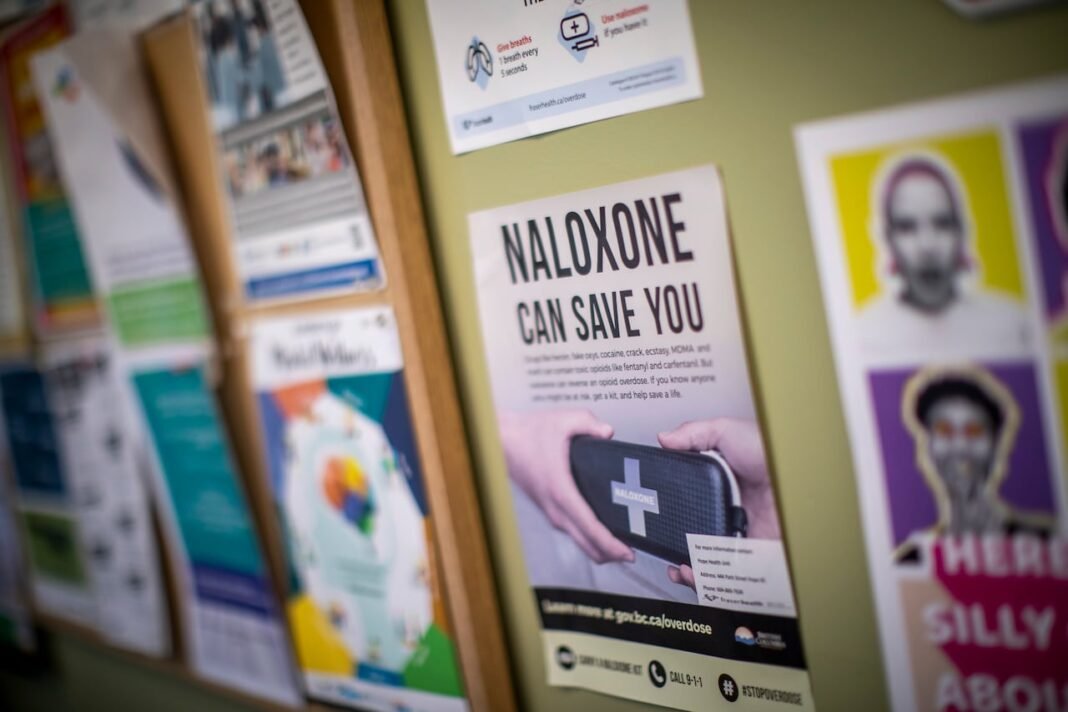
The expansion of harm reduction initiatives has been instrumental throughout B.C., including widespread distribution of naloxone kits-an emergency antidote for opioid overdoses-and establishment of supervised consumption sites where users can consume drugs under medical supervision safely.
Community advocates emphasize that increased public awareness campaigns and peer support during overdose events play crucial roles today compared with earlier periods when many overdoses went unnoticed or untreated promptly.
%3B)
The Urgent Need for Regulated Safe Supply Programs
Despite progress thru harm reduction strategies, user advocacy groups strongly call on governments to implement fully regulated alternatives replacing unsafe street drugs. After more than ten years since declaring an opioid public health crisis, many argue it is unacceptable that safer supply programs are not yet widely accessible nationwide.
“If commercial airlines experienced similar casualty rates monthly without intervention,” stated an advocate leader, “there would be immediate action-but thousands continue dying due to contaminated substances.”
A Thorough Strategy Is Crucial Moving Forward
A representative from B.C.’s Ministry of Health acknowledged there is no single fix for ending this ongoing crisis but highlighted lifesaving supports such as prescribed alternatives alongside prevention services as essential components contributing toward reduced death rates so far:
- Toxicity monitoring via expanded drug checking services;
- Naloxone distribution programs;
- Supervised consumption facilities;
- lifesaving outreach connecting people who use drugs with healthcare resources;
- Pilot projects offering pharmaceutical-grade substitutes aimed at safer consumption options instead of unregulated street products;
Evolving Consumption Patterns Offer glimmers of Hope Amid Challenges
The growing preference for inhalation over injection may further lower fatal outcomes by allowing users greater control over dosage during each session-a trend supported by recent observations from Vancouver Coastal Health officials tracking local substance use patterns.
%3B)
Summary: Progress Amidst Ongoing Toxic Drug Crisis Challenges
- B.C.’s decline in fatal overdoses aligns closely with reduced average fentanyl concentrations identified through comprehensive provincial drug-checking data analysis;
- This correlation exists amid increasing complexity caused by adulterants like benzodiazepines complicating toxicity profiles;
- Diminishing at-risk populations combined with behavioral changes such as smoking rather than injecting contribute additionally toward fewer recent deaths;
- Sustained investment into harm reduction-including naloxone access and supervised consumption spaces-remains vital; however stronger regulatory frameworks around safe supply are urgently needed;
< li > multi-pronged strategies addressing both supply toxicity & demand-side interventions offer the best hope against continuing loss-of-life trends linked directly or indirectly back into contaminated illicit substances circulating locally today.