Introducing WhatsApp’s New Parent-Supervised Accounts for Children Under 13
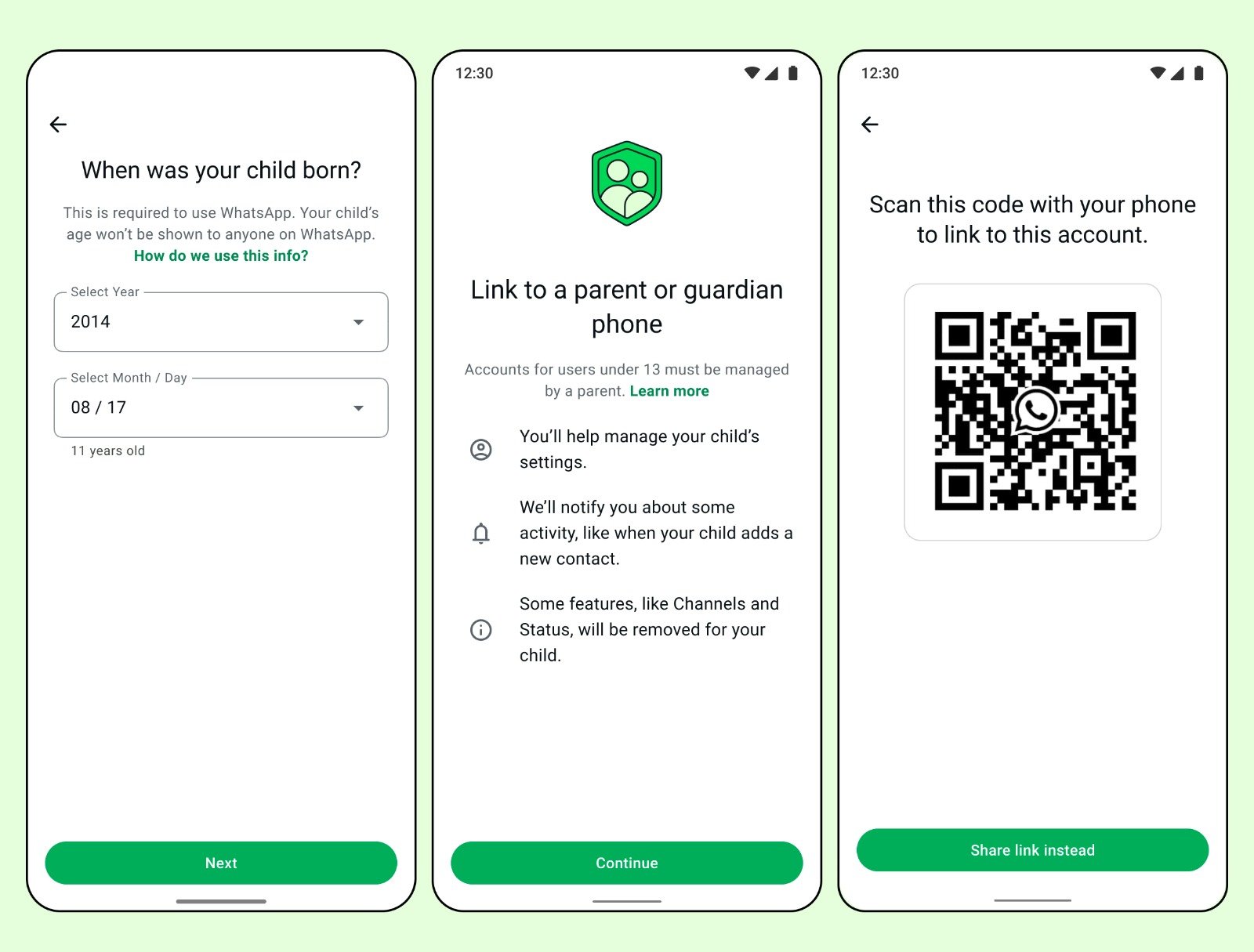
WhatsApp has launched a dedicated feature aimed at users younger than 13 years old: parent-supervised accounts. These accounts limit functionality to messaging and calling only, eliminating exposure to advertisements and other advanced features. Despite the platform’s official minimum age requirement of 13,many children below this age already use WhatsApp to connect with family members. This update is a direct response to parental concerns about creating safer digital spaces for pre-teens.
Understanding the Parent-Supervised account Setup
The setup process involves both the child’s and parent’s devices working together. Parents verify their child’s account by scanning a QR code during registration, establishing immediate oversight. Once active, parents receive alerts about vital actions such as when their child adds or blocks contacts or reports inappropriate behavior.
Tailored Notifications for Parental Control
Along with basic alerts, parents can choose extra notifications related to profile changes, new chat requests, group activities (including joining or leaving groups), enabling disappearing messages in group chats, and deleting conversations or contacts. All these controls are protected by a six-digit PIN that only parents can set and manage remotely.
Privacy Safeguards designed Specifically for Young Users
The supervised accounts disable certain features considered unsuitable for children under 13-such as Meta AI tools integration,Channels functionality,Status updates,and disabling disappearing messages in one-on-one chats.crucially, all communications remain end-to-end encrypted ensuring privacy remains intact.
“Families have expressed strong interest in using WhatsApp as a secure communication channel with their young children,” stated the company regarding this initiative focused on enhancing family control over online interactions.
Clear Handling of Messages from Unknown Contacts
If pre-teens receive messages from people not saved in their contact list, they will see an informative card explaining who sent the message-including any shared groups involving other minors-and geographic information about that sender’s location. Additionally, calls from unknown numbers are muted by default while images sent by strangers appear blurred until manually reviewed by the user.
Simplified Management of Chat Requests and Group Invitations
All incoming chat requests are directed into a separate folder secured with the parent’s PIN code before reaching the child. Similarly protected behind parental approval are invitations to join group chats; before allowing access on behalf of their child parents receive detailed information including member counts and identities of group administrators-helping them make informed decisions regarding social engagement online.

Smooth Transition Pathways as Children Mature
The platform automatically notifies users once they reach an appropriate age threshold permitting conversion from supervised profiles into standard personal accounts without restrictions. parents will soon have options allowing them to delay this transition up to twelve months if preferred-offering adaptability based on individual maturity rather than rigid age limits alone.
A Phased Global Rollout Amid Heightened Regulatory Focus on Child Safety Online
this feature is initially available in select countries before expanding globally over several months-a strategic rollout aligned with increasing international regulations governing minors’ access to social media platforms like Instagram and Facebook under Meta’s umbrella.
- User Base Magnitude: With over 3 billion monthly active users worldwide spanning all ages-including many minors-the introduction of these safety controls addresses widespread concerns raised internationally regarding children’s digital wellbeing.
- Evolving legal frameworks: Nations such as Germany, spain, Denmark,and United Kingdom have recently enacted or proposed laws restricting social media usage among younger audiences; this proactive measure anticipates compliance demands while strengthening protections within Meta’s ecosystem ahead of regulatory deadlines.
- Differentiation From Other Social Platforms: Unlike Instagram or Facebook-which emphasize content sharing networks prone to risks like misinformation targeting teens,WhatsApp focuses primarily on private peer-to-peer messaging without public feeds or broad content exposure mechanisms.

The Evolution Toward Child-Kind Messaging: Insights From Recent trends
This growth reflects broader industry trends: A recent survey revealed nearly 60% of families prefer apps built specifically with parental controls tailored toward younger children instead of adult platforms retrofitted after launch.
This demand has inspired competitors like Telegram Kids (introduced late 2023) which restricts certain functionalities but emphasizes playful educational stickers instead.
An example illustrating real-world impact involves Sarah-a mother managing her nine-year-old daughter Noah’s first smartphone experience through these tools:
Noah enjoys safely chatting with relatives abroad without risk exposure thanks largely due to her mother receiving timely notifications whenever she interacts beyond trusted circles.
This reassurance considerably reduces parental anxiety around early digital independence while encouraging responsible habits early on.
(Statistics based on internal research data June 2024).