What Lies Ahead for Iran Following the Death of Supreme leader Khamenei?
A Defining Moment in Iran’s Political History
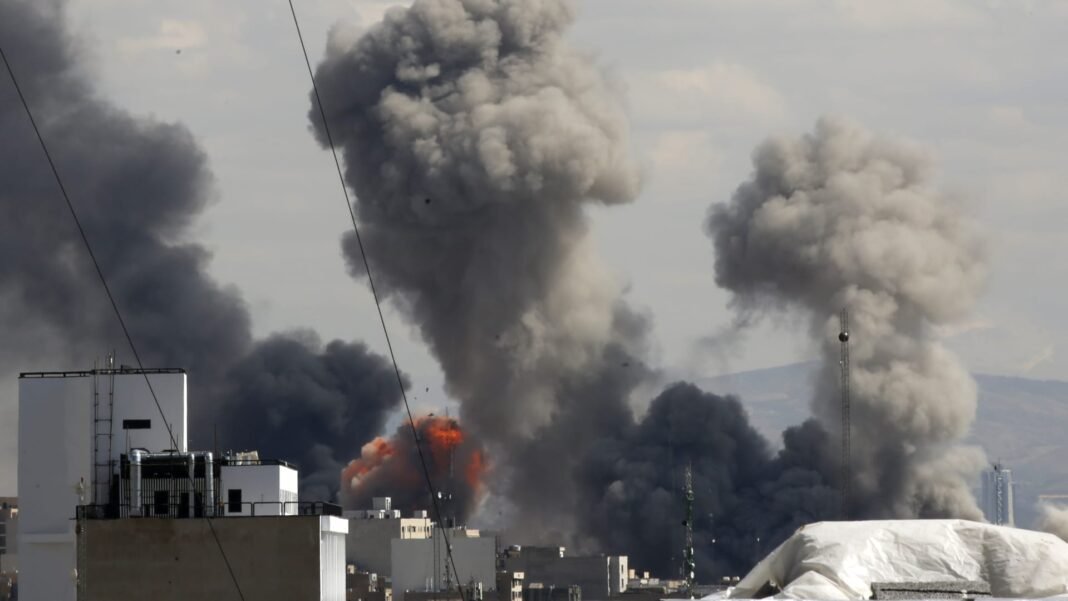
The passing of Ayatollah Ali Khamenei, Iran’s supreme Leader, signals a critical turning point for the nation.Reports indicate he died at 86 years old during an incident linked to coordinated military actions by Israel and the United States. His death ends nearly four decades of leadership that began after succeeding Ayatollah Ruhollah Khomeini in 1989.
Khamenei inherited a country still healing from the devastating Iran-Iraq war and grappling with its revolutionary identity.Over his tenure, he profoundly influenced Iran’s political direction and institutional framework.
Centralization of Authority Under khamenei’s Rule
Khamenei’s ascent was marked by constitutional adjustments to accommodate his leadership despite initial doubts about his religious qualifications. This legal flexibility enabled him to assume supreme authority under Article 110 of the Iranian constitution.
He consolidated control over key pillars such as the Islamic Revolutionary Guard Corps (IRGC), judiciary, state media, and strategic policymaking bodies. While presidents were elected periodically,ultimate power consistently rested with him throughout his reign.
An Economic Strategy Focused on Self-Sufficiency
Promoting what he called a “resistance economy,” khamenei sought to shield Iran from crippling Western sanctions by emphasizing domestic production and economic independence. This approach prioritized national security over engagement with Western nations and often suppressed voices advocating for reform or openness.
Major Crises During His Leadership Tenure
- The 2009 Election Protests: Widespread demonstrations erupted amid allegations of vote-rigging but were met with harsh government repression.
- The 2022 Women’s Rights Movement: nationwide protests spotlighted ongoing struggles over gender equality within strict Islamic governance frameworks.
- The Late-2025 Economic Unrest: Severe financial hardships sparked mass protests across urban centers where some demonstrators openly challenged the legitimacy of the Islamic republic itself-a rare direct confrontation against regime authority.
Navigating Leadership Transition: Possible Scenarios Ahead
This marks only the second transition in supreme leadership as Iran’s 1979 revolution-a process fraught with uncertainty given entrenched power structures like the IRGC that underpin regime stability. Experts warn that replacing one leader does not guarantee systemic transformation due to these deep-rooted institutions.
Potential Paths Forward for Governance
- Status Quo Maintenance: A successor might continue existing policies-essentially “Khamenei without Khamenei”-leading to persistent economic challenges amid ongoing sanctions and inflation exceeding 40% annually.
- A Military-Centric Regime: The IRGC could gain even greater influence, prioritizing security concerns while struggling against structural economic issues such as currency depreciation.
- A Collapse Scenario: Although less probable in the short term due to institutional resilience, sustained unrest or intensified external pressures could eventually destabilize current governance models.
The Economic Landscape Amid Political Flux
Iran faces notable economic hurdles nonetheless of who assumes control next. Inflation remains alarmingly high-official figures report rates surpassing 40% annually-and currency devaluation continues unabated. Without diplomatic overtures toward global powers like the United States or efforts to ease regional tensions, meaningful recovery appears distant at best.
“If another hardliner ascends unwilling to negotiate internationally or halt regional hostilities,” warns analysts familiar with Iranian affairs, “Iran risks retreating into isolation reminiscent of pre-modern eras.”
Civil Society Responses: A Mix of Optimism and Pragmatism
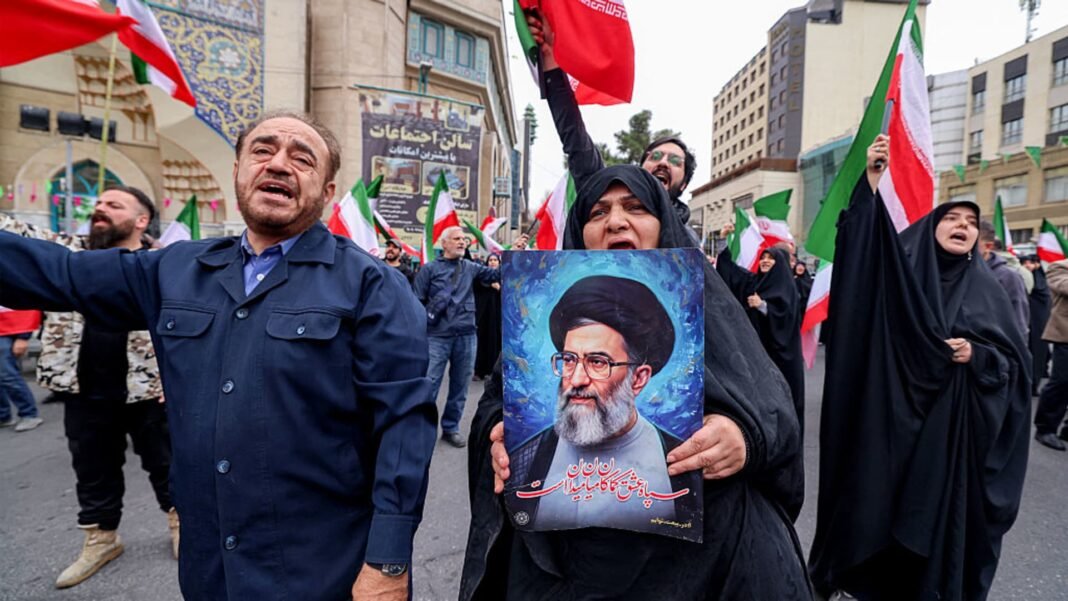
The reaction among Iranians both inside and outside national borders is complex yet hopeful. Diaspora communities-including professionals such as engineers settled abroad-express cautious optimism about potential reforms following decades under authoritarian rule. simultaneously occurring, celebrations have been observed within parts of Iranian society signaling desire for change tempered by realism about challenges ahead.
“Removing one figurehead is just extinguishing a single flame; true transformation demands igniting an entirely new light,” reflects commentary on how deeply embedded regime dynamics complicate prospects for change.”
Diverse Opposition Groups Abroad Reflect Fragmentation
`
Iranian opposition factions operating outside national boundaries remain ideologically fragmented: monarchists loyal to exiled royal family members; secular democrats dispersed across Europe and North America; Kurdish groups near western borders; alongside organizations like MEK which maintain organizational strength abroad but face limited domestic influence due partly to controversial histories involving their tactics and alliances.