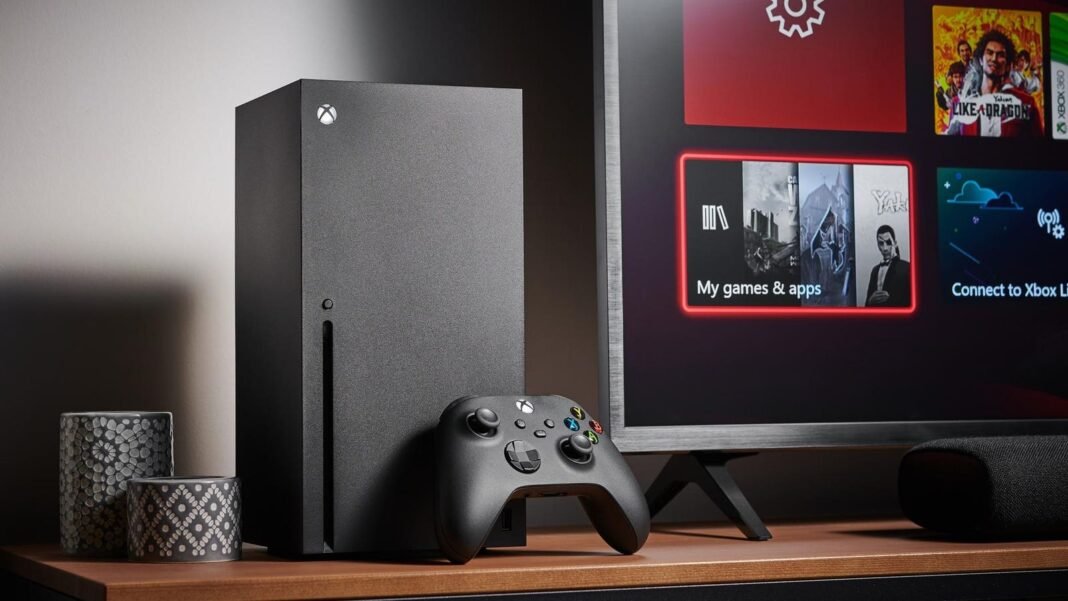
Rising Xbox Console Prices driven by Escalating Hardware Expenses
Xbox Announces Major Price Increases Amid Component Cost Surge
Xbox has revealed a second price hike within a single year,with console prices climbing by at least $100. This adjustment is primarily due to the soaring costs of storage and memory components, which have been significantly impacted by the rapid growth of artificial intelligence technologies that demand extensive hardware resources.
New Pricing Details and Product Line Changes
The revised pricing structure includes a $100 increase for Xbox models equipped with 512 GB of storage, while 1 TB versions will see a $150 rise. Additionally, Xbox is phasing out its 2 TB models as part of this update. These changes are scheduled to take effect worldwide starting August 1.
Updated Console Price Overview
- The base Xbox Series S with 512 GB storage will increase from $399 to $499.
- The enhanced Series S model featuring 1 TB storage will now be priced at $550.
- The all-digital Xbox Series X with a 1 TB drive-offering more powerful hardware than the Series S-will cost $749.
- The disc-enabled version of the Series X with 1 TB capacity is rising from $649 to $799.
Widespread Supply Chain challenges Affecting Gaming Consoles
An official representative from Xbox emphasized that while many consumer electronics face supply chain disruptions, gaming consoles are uniquely vulnerable because they traditionally sell below their manufacturing costs. This contrasts sharply with devices like smartphones or laptops that typically maintain higher profit margins.
“The entire consumer electronics sector is grappling with component shortages, but consoles bear an especially heavy burden,” stated an official from Xbox. “Unlike phones or computers, consoles are frequently enough sold at a loss rather than generating profit.”
memory Market Pressures Fueled by AI Demand
The spike in memory prices largely results from AI-driven demand placing unprecedented strain on semiconductor manufacturers. The market remains dominated by three major companies: Samsung Electronics, SK Hynix Inc., and Micron Technology Inc., whose stock values have surged amid this boom. However, concerns linger about their capacity to simultaneously meet both AI infrastructure requirements and traditional consumer needs.
In response to these challenges last year, Micron announced it would withdraw entirely from retail RAM and SSD sales-a clear indication that prioritizing enterprise AI clients over everyday consumers like gamers has become essential in resource allocation strategies.
Implications for Gamers: what Future Costs May Look Like
This latest price adjustment means that since its debut in late 2020-with an MSRP near $499 for the premium disc-drive enabled xbox Series X-customers could face up to a $300 increase overall; representing approximately a 60% rise within six years following August’s update alone.
This pattern aligns with ongoing development cycles for next-generation consoles across major manufacturers such as Microsoft and Sony; industry reports suggest Sony might delay PlayStation 6’s launch partly due to similar global component shortages affecting production timelines worldwide.
A Parallel From Another Industry: Semiconductor Shortages Impacting Automobiles
A comparable scenario recently unfolded in automotive manufacturing when chip shortages caused widespread delays in vehicle deliveries throughout early-2024. This example highlights how deeply interconnected modern industries have become reliant on limited semiconductor supplies spanning diverse sectors beyond just gaming or computing devices.