



Enhancing YouTube’s AI Tools to Combat Deepfakes Targeting Public Figures
A New Initiative for Journalists and Civic Leaders
YouTube has launched an advanced pilot program offering select government officials,political candidates,and journalists access to a cutting-edge tool designed to detect unauthorized AI-generated deepfake videos featuring their likenesses. Participants can flag such content for removal if it breaches YouTube’s policies.
The Journey from Creator-Focused Detection to Protecting Public Personas
This technology initially debuted last year within the YouTube Partner Program, reaching around 4 million creators. Early testing with prominent content creators helped refine the system before extending its capabilities toward public figures vulnerable to malicious impersonation through AI-manipulated videos.
Understanding Likeness Detection Versus Content ID
While resembling YouTube’s established Content ID system-which identifies copyrighted material in uploads-this new feature specifically targets synthetic faces generated by artificial intelligence.These deepfakes ofen distort reality by fabricating statements or actions attributed falsely to politicians or officials.
navigating Free Expression Amidst Misinformation Risks
YouTube strives to maintain open discourse while addressing the dangers posed by hyper-realistic AI impersonations in public conversations. The platform emphasizes that protecting democratic dialog is essential but must be balanced carefully so as not to suppress legitimate forms of expression like satire or political critique.

The review process ensures that flagged videos are not automatically removed; each case undergoes thorough evaluation under privacy standards designed to preserve protected speech while mitigating harmful deepfake content effectively.
Supporting Legal Frameworks Against Digital Impersonation
YouTube endorses legislative measures such as the NO FAKES Act, which seeks regulation over unauthorized use of individuals’ images and voices created via artificial intelligence-a response reflecting growing national concerns about digital identity misuse.
User Authentication and Features During Pilot Testing
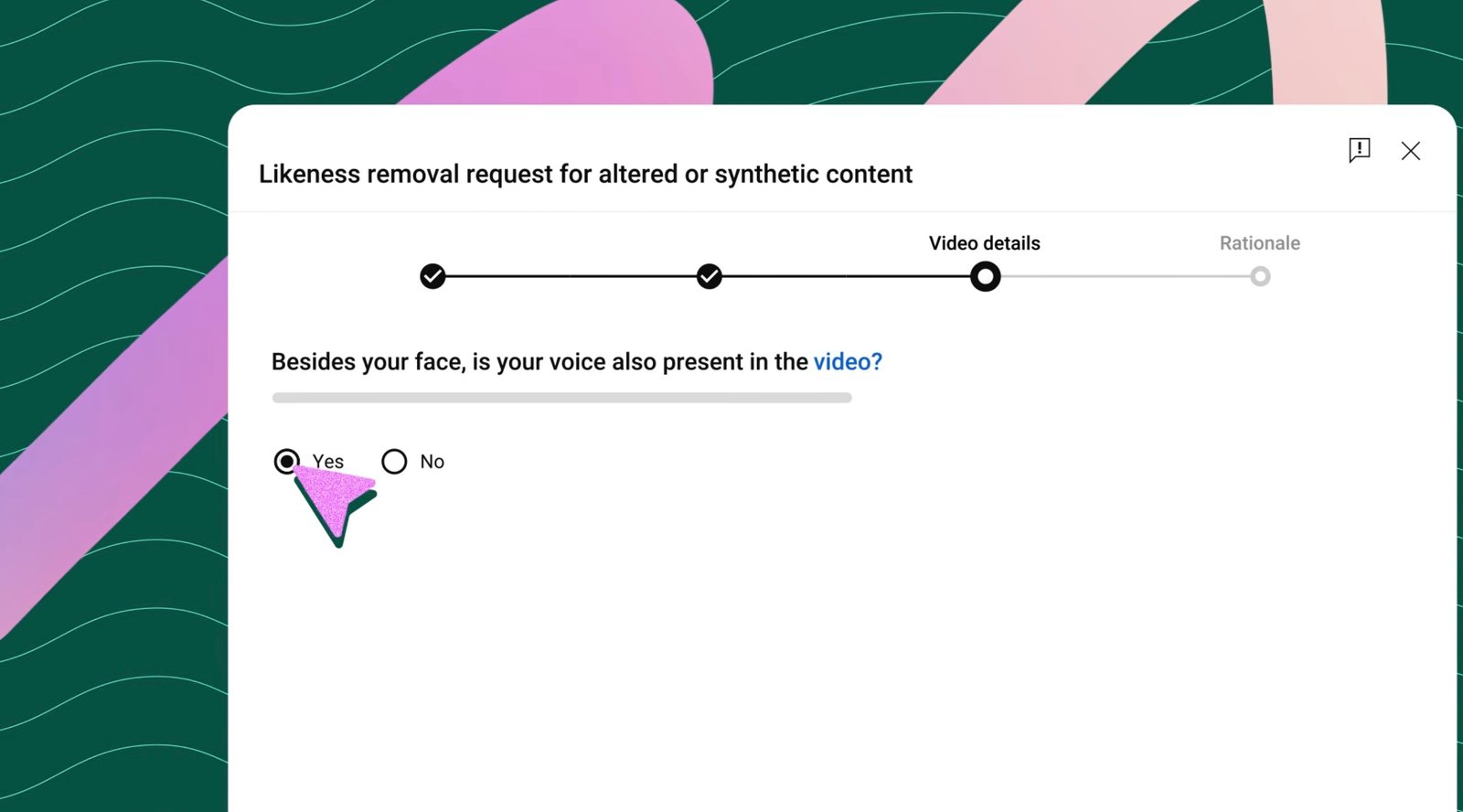
Candidates participating in this program must confirm their identity by submitting a selfie alongside official government-issued identification before setting up profiles within the system. Verified users gain access to monitor detected matches involving their likenesses and can request takedowns when necessary. Future enhancements may include proactive blocking of infringing uploads or monetization options similar to Content ID’s revenue-sharing model.
The Complexity of Consistent Labeling for AI-Generated Media
YouTube employs varied labeling strategies depending on context: some AI-generated content receives tags within video descriptions, whereas sensitive topics trigger prominent warnings at video start times. This differentiated approach reflects ongoing discussions about how obvious disclaimers should be across diverse types of synthetic media.
“AI-created media ranges from innocuous algorithmic animations up through possibly deceptive political deepfakes,” noted Amjad Hanif,Vice President of Creator Products at YouTube. “Deciding when explicit labeling is necessary demands nuanced judgment.”
The Present Landscape and Outlook for Managing Deepfakes on YouTube
So far, requests for removal related specifically to creator-flagged deepfakes have been relatively low; many flagged instances prove harmless or even positively received from creators’ perspectives rather than constituting misinformation threats.
This pattern could change significantly as more high-profile individuals-especially politicians-join the pilot program amid heightened concerns over deceptive impersonations influencing elections and news cycles worldwide.
Expanding Beyond Visuals: Voice Recognition & Intellectual Property Safeguards Ahead
YouTube plans future upgrades aimed at detecting manipulated audio mimicking recognizable voices along with protecting intellectual properties such as iconic characters frequently targeted by synthetic media technologies-marking progress toward a extensive defense against evolving digital deception tactics online.


