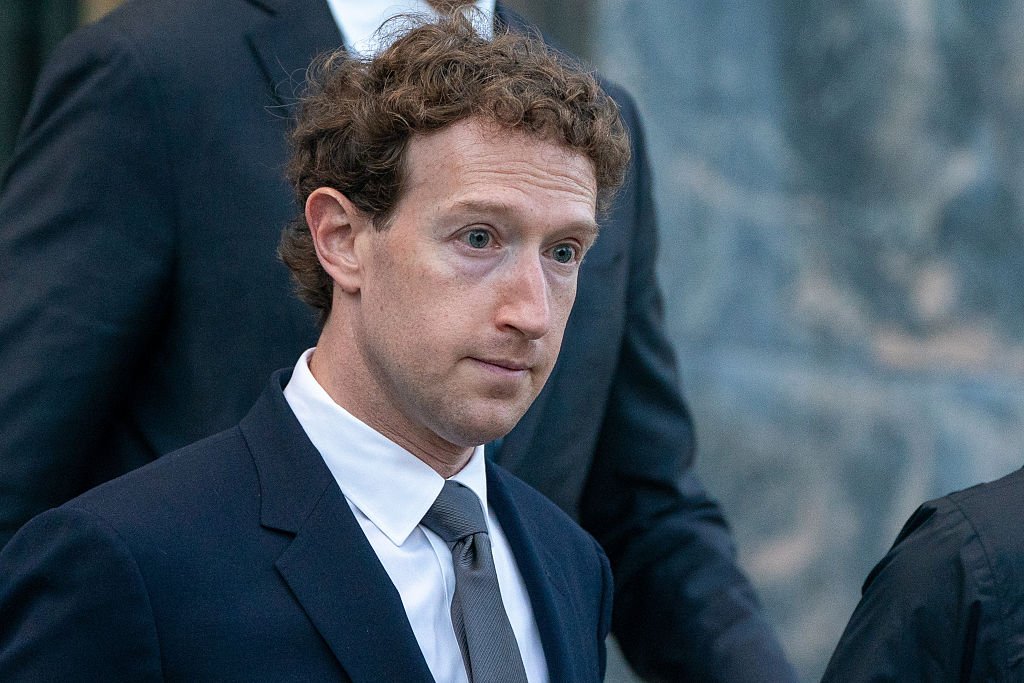
Meta CEO Under Intense Scrutiny for Social Media’s Influence on Young Users
Unpacking Claims of Addiction and Psychological Harm
During a meaningful hearing at the Los Angeles Superior Court, Meta’s CEO Mark Zuckerberg faced probing questions regarding allegations that the company’s social media platforms contribute to addictive behaviors and adverse effects on children and teenagers. Internal documents revealed during the trial showed that parental controls have limited success in preventing compulsive use among adolescents.Additionally, young users who have experienced trauma appear especially susceptible to excessive engagement wiht these platforms.
The Drive Behind Increasing User Engagement
The legal team representing a 20-year-old plaintiff known as KGM challenged Zuckerberg about whether Instagram employees were encouraged to boost daily user activity. Despite previous denials in Congressional hearings about such targets, evidence surfaced including a 2015 email were Zuckerberg pushed for increasing time spent on Instagram by 12%. This revelation calls into question earlier claims about prioritizing user well-being over engagement metrics.
Impact of Visual Enhancement Tools and Underage Participation
Zuckerberg was also questioned about instagram’s use of beauty filters-features that internal Meta research recommended banning for teenage users due to potential mental health risks. Trial documents estimated that by 2015 nearly four million U.S. children under age 13 had active Instagram accounts, accounting for roughly one-third of kids aged 10-12 nationwide. These numbers underscore persistent challenges with age verification within social media environments.
Obstacles in Verifying User Age Accurately
In his testimony, Zuckerberg acknowledged the technical difficulties involved in confirming users’ ages on mobile devices and suggested enhanced collaboration with smartphone manufacturers like Apple could improve enforcement efforts. Responding to mounting regulatory demands from states such as Texas and utah, Apple recently rolled out new developer tools designed to strengthen age verification processes within apps-reflecting an evolving legal framework aimed at protecting minors online.
Contrasting Perspectives Emerging from Courtroom Dialogue
Observers noted Zuckerberg often stuck closely to corporate messaging during questioning, occasionally accusing plaintiff attorneys of misrepresenting document contents or taking statements out of context. Simultaneously occurring,KGM asserts that multiple major social media companies play significant roles in fostering addictive behaviors through their platform designs.
the Expanding Legal Fight Over Social Media Addiction Among Youth
KGM has initiated lawsuits against four leading social networks citing their obligation in promoting harmful addiction patterns among young people. While TikTok and Snap settled before trial began, YouTube and Meta continue defending their platforms’ societal contributions amid growing public scrutiny.
- Mental Health Versus Platform Accountability: Meta argues KGM’s personal struggles stem largely from her tough upbringing rather than solely from app usage.
- Potential Industry-Wide Changes: The jury’s decision could lead to stricter regulations targeting tech companies or financial penalties if liability is established.
- A rising Public Concern: Recent surveys reveal nearly 60% of teenagers feel addicted or overly reliant on social media apps-a statistic driving calls for stronger oversight globally.
“This case may redefine how technology companies balance innovation with protecting vulnerable groups,” remarked an expert amid intensifying global discussions around digital wellness standards.
A Turning Point Toward Greater Tech Accountability?
this landmark lawsuit highlights growing demands for clarity regarding algorithmic design choices intended to maximize user retention-even when such tactics risk worsening mental health issues among youth worldwide. As governments ramp up efforts toward regulating digital spaces frequented by minors, this trial marks a pivotal moment shaping future policies governing online safety standards across industries internationally.