



Reimagining Nuclear Energy: AI and Innovation Usher in a New Era
The revival of nuclear power is gaining momentum, fueled by the skyrocketing electricity needs driven by artificial intelligence, robust governmental backing, and visionary entrepreneurs securing ample investments to develop compact nuclear reactors. This renaissance holds the promise of reshaping the global energy landscape.
Innovating Compact Reactors: The Vision at Aalo Atomics
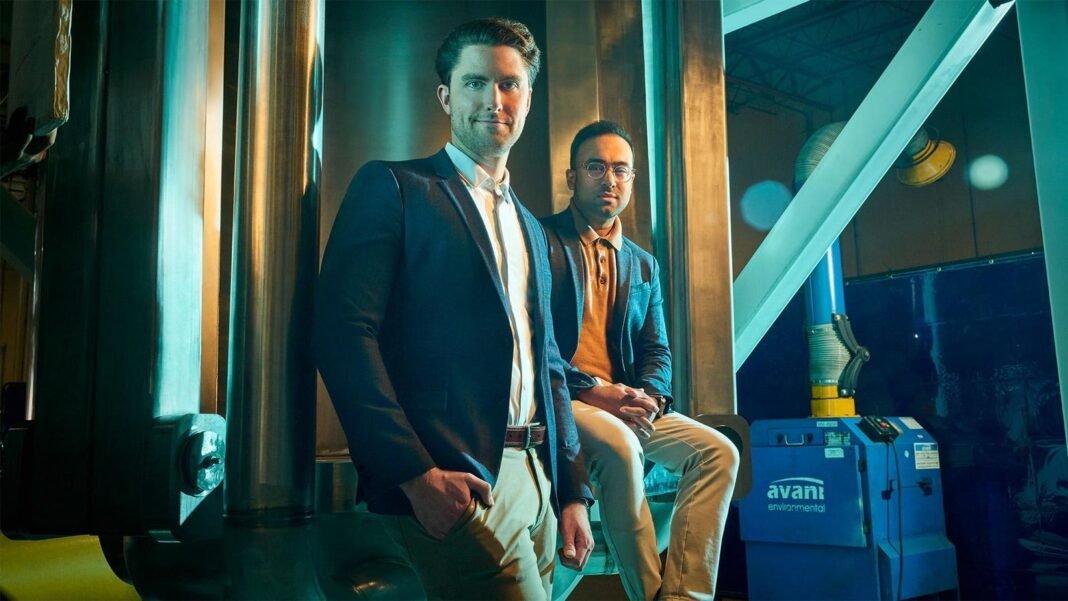
within a sprawling 40,000-square-foot facility in Austin, Texas, Aalo Atomics’ engineers meticulously shape thick steel plates into cylindrical vessels designed to contain ten-megawatt nuclear fission reactors. CEO Matt Loszak insists on keeping fabrication in-house rather than outsourcing to maintain stringent quality control and seamless integration. When combined, five such units can produce 50 megawatts-enough electricity to power a large data center or roughly 45,000 homes.
Loszak stresses that these are not mere concepts but active projects under construction. The company recently began operations at Idaho national Laboratory with an aspiring target to reach “criticality”-the point where a self-sustaining nuclear chain reaction occurs-by July 4,2026. This goal aligns with federal initiatives encouraging U.S.-based startups to demonstrate operational advanced reactors within tight timelines.
The Escalating demand for Steady Power Amid AI Growth
The rapid expansion of AI technologies has dramatically increased global electricity consumption. Data centers supporting complex machine learning models now require unprecedented amounts of energy; experts predict worldwide data center power usage could surge from approximately 40 gigawatts today to nearly 80 gigawatts by 2030. At an average industrial rate near nine cents per kilowatt-hour, this translates into tens of billions annually in operating expenses-a figure expected only to climb as supply struggles against soaring demand.
This growing need creates fertile ground for innovative small modular reactors (SMRs) developed by companies like Valar Atomics, Kairos Power, X-energy among others racing toward commercial readiness. These prefabricated units offer scalable solutions capable of powering individual facilities or supplementing larger grids with reliable baseload electricity-a crucial advantage over intermittent renewables such as wind and solar.
Capital Influx Accelerates Nuclear Breakthroughs
In just the first half of 2025 alone, investors poured over $4 billion into U.S.-based advanced nuclear startups-a nearly eightfold increase compared with five years ago-reflecting surging confidence in next-generation reactor technologies. Aalo Atomics recently secured $136 million led by Valor Equity Partners; their strategy echoes Tesla’s vertically integrated manufacturing model aimed at reducing costs through scale and innovation.
policy Shifts and Regulatory Evolution Supporting Nuclear Revival
Nuclear energy’s resurgence is propelled not only by market dynamics but also significant policy reforms favoring clean energy sources capable of delivering continuous power supply. Recent legislation expanded tax credits covering up to 40% investment specifically targeting new nuclear designs while scaling back subsidies for certain wind and solar projects considered less dependable for critical infrastructure needs.
The Nuclear Regulatory Commission (NRC) is undergoing procedural reforms intended to streamline licensing without compromising safety standards-encouraging startups to deploy reactors on existing federal properties such as military installations or historic research sites like Idaho National Lab where regulatory familiarity exists.
diverse innovations: From Microreactors To Industrial-Scale Production
- Kairos Power: Employs molten fluoride salt cooling paired with TRISO fuel particles embedded within graphite pebbles designed for enhanced meltdown resistance; aiming for grid connection via presentation plants delivering up to 50 MW within five years.
- Valar Atomics: Focuses on high-temperature gas-cooled microreactors nicknamed “the Toyota Corolla” due its emphasis on reliability over flashiness; recently passed zero-power criticality tests validating core design integrity.
- Aalo Atomics: pursues mass production inspired by aerospace manufacturing techniques brought from spacex veterans; targets full-scale commercial generation starting late 2027.
Tackling Historical Challenges Through Modular design
Nuclear power’s reputation was deeply affected after incidents like Three Mile Island (1979) and Fukushima (2011), which triggered stricter regulations causing decades-long delays and cost overruns on large-scale plants-the Vogtle expansion near Augusta Georgia being a recent example exceeding $30 billion largely due to supply chain disruptions and labor shortages.
This legacy explains why many innovators now prioritize smaller modular designs emphasizing factory-built components that can be rapidly deployed instead of massive bespoke constructions vulnerable to delays-and why established players like Westinghouse continue pursuing customary large reactor projects backed by government guarantees worth billions aimed at revitalizing America’s heavy industry alongside emerging SMR efforts.
A New Generation Steering Change Forward
“Our dedication comes from patriotism,” states Toby Neugebauer CEO of Fermi America whose vision includes constructing multi-gigawatt atomic-powered data centers near DOE sites while recognizing fierce international competition from China aggressively expanding its fleet.-“We need nuclear AI.”
Younger leaders bring fresh perspectives shaped both personally-such as Loszak credits improved health after Ontario replaced coal plants with nukes-and professionally through diverse experiences ranging from working on legacy AP1000 designs at Westinghouse or pioneering microreactor concepts at national labs before launching startups focused exclusively on deploying next-gen technology globally including underserved regions lacking reliable access today (“Aalo” means “light” in Bengali).
The Path Forward: Balancing hope With Pragmatism
- No single company will dominate this multifaceted sector immediately; some ventures may stumble amid technical challenges or regulatory hurdles while others succeed leveraging unique innovations or strategic partnerships.
- Larger corporations continue investing heavily alongside newcomers reflecting broad consensus that meeting future global energy demands requires diverse approaches combining proven engineering rigor with agile startup creativity.
- Cautious observers note even bill Gates-backed TerraPower remains several years away from NRC approval despite billions invested highlighting inherent challenges even when resources abound.
An Era Marked By Urgency And Promise
The intersection between soaring AI-driven electrical demand coupled with shifting political landscapes presents an unparalleled opportunity window where advanced nuclear technology could finally fulfill long-promised roles as clean reliable backbone powering digital economies worldwide-if innovators navigate technical complexities swiftly amid evolving policies seeking carbon-neutral futures without sacrificing grid stability or affordability.


