Black Friday Shopping Patterns Highlight Generational Differences and Economic Challenges
Generation Z Drives Black Friday Excitement
Recent insights reveal that younger consumers, especially those from Generation Z, show a stronger preference for taking advantage of Black Friday deals compared to older generations. Nearly 40% of Gen Z shoppers plan to complete the majority of their holiday purchases on Black Friday itself, while only 32% of millennials intend to do the same. Older age groups typically postpone their shopping until the last two weeks before Christmas.
How Social Media Amplifies Youth Engagement
The surge in interest among younger buyers is largely attributed to dynamic marketing strategies and targeted promotions on social media platforms. These digital environments generate excitement and urgency that resonate deeply with Gen Z audiences. Their comfort with online interaction makes them particularly responsive to limited-time offers and influencer endorsements during this shopping season.
Economic Realities Lead to More Cautious Holiday Budgets
Despite their enthusiasm for early sales events like Black Friday, Generation Z is planning a notable cutback in overall holiday spending this year. Surveys indicate a projected 23% drop in expenditure among Gen Z compared to last year-a sharp reversal from earlier predictions where they expected an increase exceeding 30%.
This conservative outlook mirrors widespread financial pressures faced by many Americans amid persistent inflation and economic uncertainty. Analysts describe the current recovery as “K-shaped,” where affluent consumers maintain strong spending habits while lower-income households reduce expenditures considerably during the festive period.
A Move Toward Smarter spending Habits
Across all age groups, shoppers are adopting more thoughtful purchasing behaviors aimed at maximizing value without overspending. Overall planned Black Friday spending has declined by approximately 4% from last year as rising living costs influence consumer decisions.
the Rise in Support for Local Retailers During Holidays
An encouraging progress alongside these economic shifts is growing consumer support for small businesses throughout the holiday season. Over three-quarters (77%) of respondents expressed willingness to buy all their gifts locally if prices were competitive with major retailers’ offerings.
This represents an increase of eight percentage points compared to previous years among those motivated by supporting local economies through their purchases. Many shoppers are balancing price sensitivity with community values-seeking ways both to save money and contribute positively within their neighborhoods.
The Enduring Appeal of In-Store Shopping Experiences
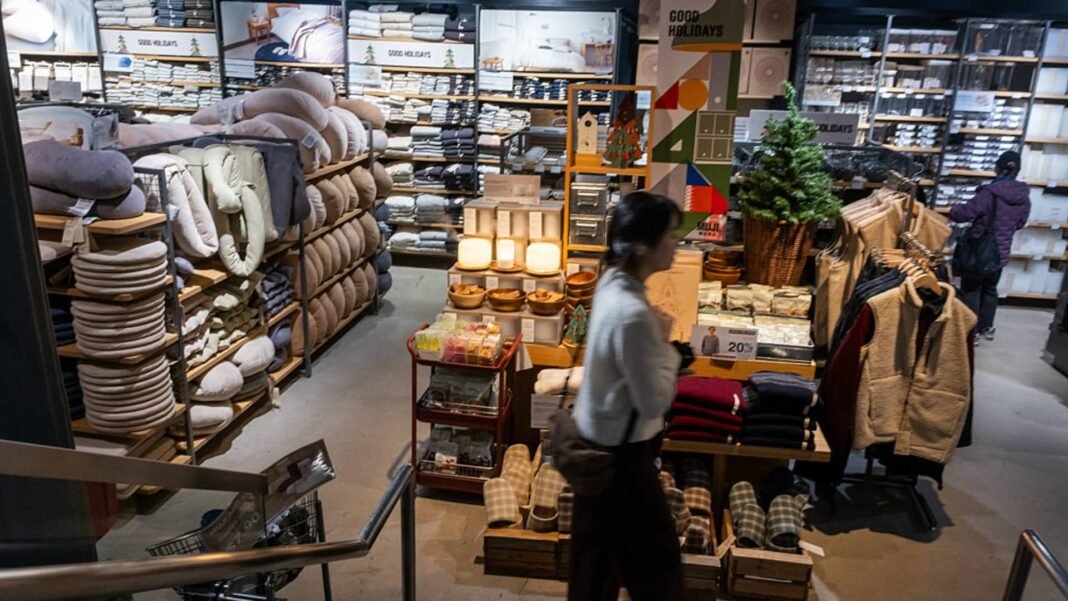
A considerable majority (72%) still find inspiration through visits to physical stores rather than relying mainly on social media or online suggestions when choosing gifts. This highlights how tactile experiences remain vital despite rapid growth in e-commerce channels.
the Growing yet Limited Role of Artificial Intelligence in Holiday Buying Decisions
Although artificial intelligence technologies have expanded rapidly across various aspects of retail, most consumers remain cautious about fully embracing AI tools for gift selection this season. Only about 9% report being more inclined toward AI-driven methods over customary online searches when looking for presents.
“While AI continues integrating into everyday life,” industry observers note, “its adoption within holiday shopping remains gradual as customers weigh convenience against trust.”
The Path Forward: increasing Integration of AI into Consumer Choices
As artificial intelligence becomes more intuitive and user-amiable, it is anticipated that reliance on these technologies will grow steadily over time-potentially reshaping how people discover products during peak retail periods such as Black Friday and beyond.