US Suspends Afghan Visa Processing and Freezes Asylum Decisions Amid Heightened Security Alerts
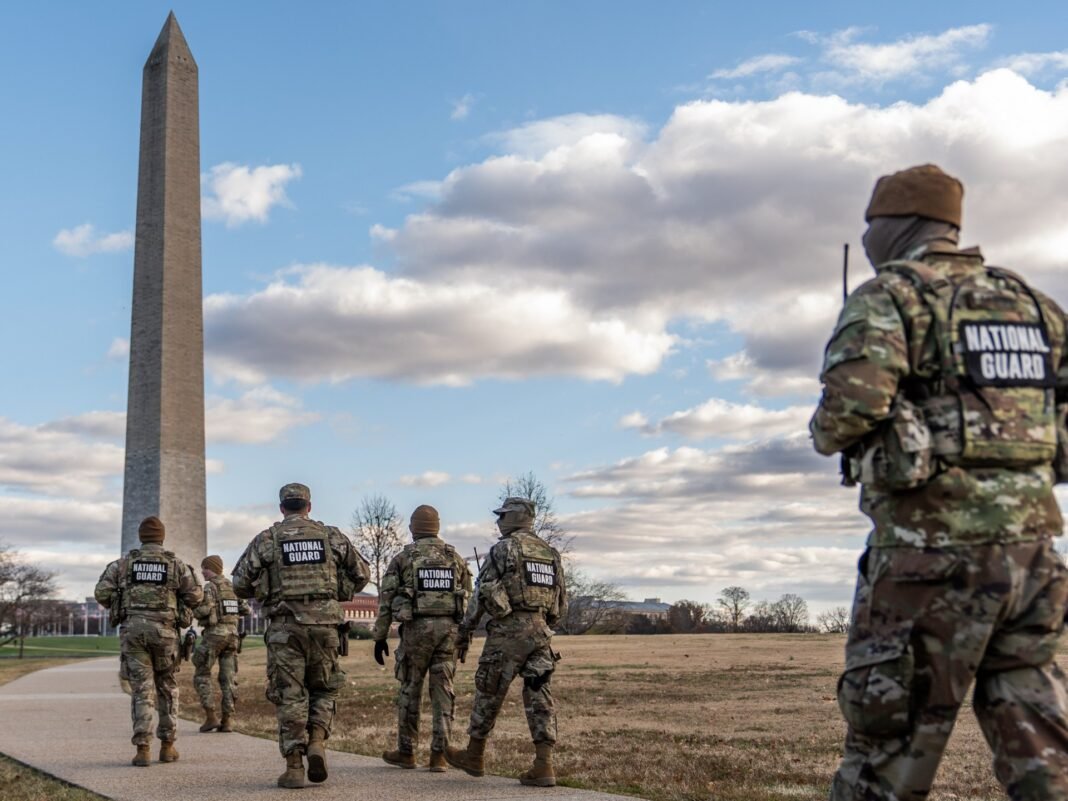
The decision to halt visa issuance and pause asylum approvals follows a deadly attack involving National Guard personnel in Washington, DC.
Immediate Halt on Afghan Passport Visa Issuance
The US Department of State has announced an immediate suspension of visa processing for individuals traveling with Afghan passports, citing urgent national security concerns. This measure is part of a broader crackdown on immigration following a violent assault targeting National Guard members near the nation’s capital.
Secretary of State Marco Rubio confirmed via official channels that all visa applications linked to Afghan nationals are now on hold indefinitely. The governance emphasizes this step is crucial to protect American citizens amid escalating threats.
Details Behind the Washington, DC Attack
The suspension was triggered by an incident involving Rahmanaullah Lakanwal, an Afghan-born individual identified as the main suspect in a shooting that resulted in one National Guard member’s death and another critically wounded. The victims were ambushed while performing routine patrol duties without any provocation.
Twenty-year-old Sarah beckstrom tragically died shortly after being shot, while 24-year-old Andrew Wolfe remains hospitalized in critical condition. Authorities have since elevated charges against Lakanwal to first-degree murder along with two counts of assault with intent to kill while armed.
A Former Intelligence operative Among Suspects
Investigations uncovered that Lakanwal had previously been employed by US intelligence agencies during operations in Afghanistan before relocating to America after the 2021 military withdrawal. His entry into the United States was facilitated under a Biden-era programme designed to assist Afghans who collaborated with US forces overseas.
Asylum Application Reviews Also Paused Nationwide
In addition to halting visas for Afghans, US Citizenship and Immigration Services (USCIS) announced it will suspend decisions on all asylum requests until further notice.USCIS Director joseph Edlow stated this pause ensures every applicant undergoes thorough vetting procedures amid growing security concerns.
This move reflects intensified scrutiny over immigration processes aimed at preventing potential threats from entering or remaining within US borders during uncertain times.
Green Card Approvals Under Rigorous Reassessment
A directive from President Trump has prompted USCIS leadership to conduct thorough reviews of green card approvals originating from 19 countries flagged for elevated risk factors related to public safety and national security interests. This review targets nations considered vulnerable due to geopolitical instability or other concerns affecting vetting reliability.
Tightening Immigration Controls Amid Rising Geopolitical Tensions
This policy shift aligns with broader restrictive measures introduced since President Trump resumed office earlier this year. Notably, refugee admissions have been capped at just 7,500 for fiscal year 2026-the lowest annual intake recorded in over forty years-signaling a firm stance toward limiting immigration overall.
Lack of Clarity Surrounding “Third World” Country Restrictions
The current administration’s rhetoric includes intentions reportedly aimed at suspending immigration from what are described as “all Third World countries,” though no formal definition accompanies this term. Generally understood as developing nations across Africa, Asia, and Latin America, these regions face increased barriers under new policies despite their diverse circumstances and needs.
“Protecting American citizens remains our highest priority,” Secretary Rubio affirmed.
“Visa issuance for ALL travelers holding Afghan passports has been suspended immediately.”
The Political Backdrop: Critiques Over Prior Immigration Policies
President Trump has frequently criticized former administrations’ approaches toward immigration-particularly programs like “operation Allies Welcome,” which enabled thousands of Afghans allied with US forces post-2021 withdrawal entry into America. The recent attack intensified calls within his government for stricter controls alongside reassessment protocols targeting immigrants perceived as potential risks or societal burdens.
- Tightened Screening Processes: Enhanced background checks are now mandatory before granting residency or asylum status nationwide;
- Migrant Denaturalization Plans: Proposals include revoking citizenship from individuals deemed disruptive or disloyal;
- Diverse Enforcement Strategies: deportation efforts focus on those classified as public charges or incompatible with American values according to official statements;
An International Trend Toward Stricter Migration Controls
This tightening mirrors global patterns where governments balance humanitarian responsibilities against domestic security priorities amid increasing geopolitical instability worldwide-such as:
- The European Union recently reinforced border controls following terror incidents linked indirectly backtracked migrants arriving via mediterranean routes;
- Southeast Asian nations such as Malaysia implemented more rigorous visa screening after attacks involving foreign nationals raised alarms;
- Certain Middle Eastern states enhanced refugee vetting partly due ongoing regional conflicts influencing migration flows;
Navigating Future Challenges: Ensuring Security While Upholding Humanitarian Values
The core challenge facing policymakers today involves maintaining robust protections without compromising legitimate asylum seekers’ rights-a delicate balance complicated by evolving domestic and international threats. While safeguarding Americans remains paramount according officials, a growing debate persists among advocates regarding impacts on vulnerable populations seeking refuge worldwide.