Inside CSIS: Unveiling the Mental Health Realities
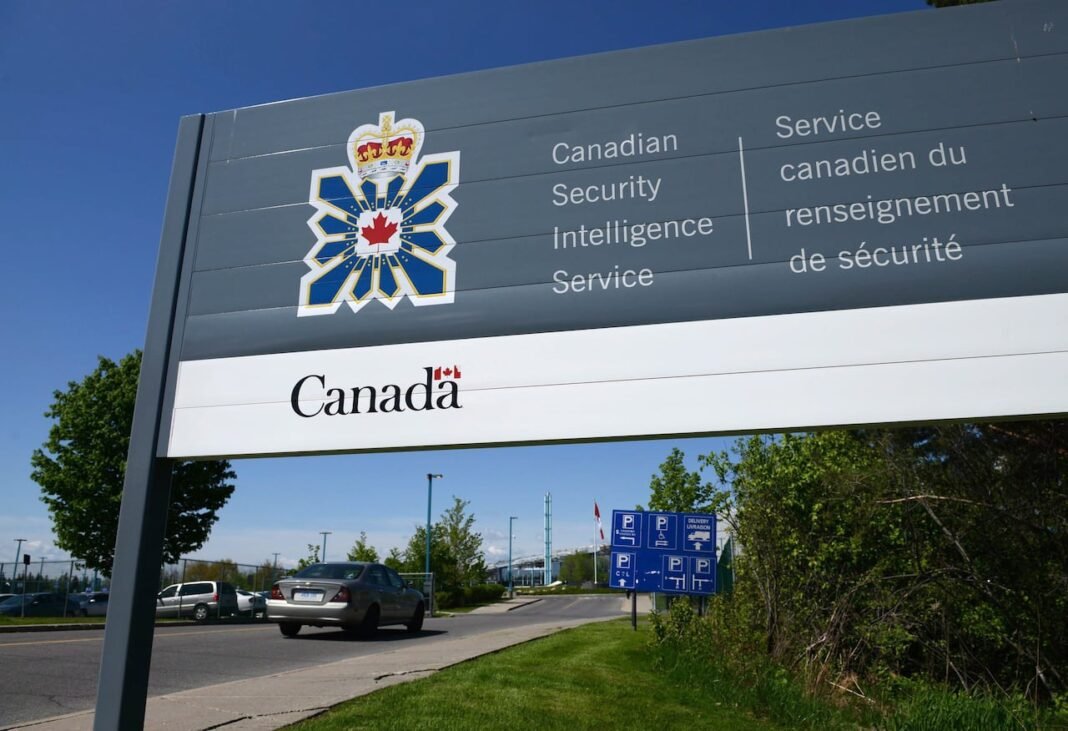
Staff members within the Canadian Security Intelligence Service (CSIS) have disclosed a workplace environment often marked by isolation and stigma related to mental health. The atmosphere is frequently described as one shadowed by fear and misunderstanding about psychological well-being.
The Psychological Toll of National security Roles
Confidential interviews with 38 employees, ranging in age from 31 to 67 and including operatives regularly exposed to traumatic incidents, revealed a pervasive apprehension toward addressing mental health concerns openly. Many participants reported struggles with conditions such as post-traumatic stress disorder (PTSD), chronic anxiety, insomnia, and burnout. One individual recounted experiencing panic attacks during their daily commute.
A unique challenge for CSIS personnel lies in the stringent confidentiality obligations-not only regarding operational details but also personal matters-which intensify feelings of loneliness when coping with mental health issues. This secrecy often prevents open conversations with family or friends, further deepening emotional distress.
The Burden of Constant Alertness
Employees frequently experience hypervigilance due to the demanding nature of their work. One interviewee described feeling perpetually “on edge,” maintaining suspicion even outside official duties-a state that can severely impact social interactions and psychological resilience.
Fear of Repercussions Perpetuates Silence
A widespread concern among staff is potential backlash after revealing mental health struggles. Several respondents expressed reluctance to seek help out of fear they woudl be branded “mentally unwell” within the agency’s culture, leading many to suffer in silence.
“It took years for them to understand that constantly viewing graphic images-like violent crime scenes-for work purposes inevitably affects your mind.”
– Former CSIS operative
An illustrative case involved an employee who was reassigned away from critical tasks after management learned through an employee Assistance Program report that they had sought psychological support-without any disclosure about their condition’s specifics. This incident discouraged others from utilizing available resources due to worries over career consequences or judgment.
The complex Balance Between Secrecy and Support
the study highlighted a arduous tension faced by both leadership and staff: safeguarding national security while ensuring sufficient transparency for effective mental health care. Internal psychologists frequently enough lack access to classified information necessary for fully grasping operational stressors impacting employees, which hampers timely intervention efforts.
Steps Forward Amid Ongoing Obstacles
While CSIS has made some progress enhancing its mental health initiatives, notable gaps remain. Participants acknowledged improvements such as heightened recognition of PTSD linked directly to fieldwork exposure and new training programs designed specifically around trauma caused by disturbing digital content encountered during investigations.
“Leadership is showing increased empathy,” noted one employee regarding recent shifts toward emotional intelligence; however, support mechanisms still fall short when addressing challenges stemming from workplace harassment or intimidation rather then direct operational trauma alone.
Cultivating Resilience Through Targeted Training
A key advancement includes stricter protocols limiting exposure to graphic online material-a response acknowledging that repeated viewing without proper safeguards can cause lasting psychological harm. Specialized courses now equip teams handling sensitive content daily with tools aimed at building resilience while mitigating adverse effects.
A Critical Need for Cultural Transformation
Mental health stigma remains deeply rooted despite gradual cultural changes within CSIS ranks.Recent public service surveys reveal fewer than half of agency employees would recommend working there-a reflection partly tied to morale issues linked with internal attitudes toward psychological wellness.
Since taking office in late 2024, Director Dan Rogers has emphasized reshaping organizational culture into one characterized by openness and stronger support systems around these topics.Following allegations primarily concerning misconduct rather than solely operational pressures, an self-reliant ombudsperson was appointed last year providing confidential channels where employees can raise workplace concerns without fearing retaliation.
Toward a More Supportive Future Environment
The findings conclude on an encouraging note: although stigma and secrecy surrounding mental illness persist at CSIS, incremental advancements suggest promising opportunities ahead for fostering healthier professional settings-benefiting intelligence officers dedicated daily to protecting Canada’s security interests worldwide.