Decoding the Final Episode of Euphoria: A Story of Despair and Renewal
The closing chapter of HBO’s Euphoria delivers a striking blend of sorrow and unexpected hope,wrapping up the series with an intense finale that contrasts sharply with the tone set in earlier seasons.
A New Narrative Direction and Emotional Landscape
The third season takes a bold turn away from the familiar storytelling style, culminating in a finale that feels more fragmented yet emotionally charged. Central to this episode is a tense showdown between Ali (Colman Domingo) and Alamo (Adewale Akinnuoye-Agbaje), with Maddy (Alexa Demie) unwillingly caught in their crossfire as human collateral.
While some moments pulse with suspense, several main characters receive minimal focus during critical scenes, creating an ending that can feel disjointed but powerfully raw.
Unveiling Crucial Plot Points from the Finale (Spoiler warning)
DEA agents raid the drug operation at the ranch just as Rue (Zendaya) narrowly escapes capture. In despair over looming arrest, Laurie (Martha Kelly) tragically ends her own life. Meanwhile, Alamo sends only a dead rat instead of drugs-a chilling message signaling betrayal.
Though Alamo outwardly commends Rue for completing her task by delivering fake IDs, he secretly plots to kill her after discovering she has been cooperating with law enforcement-a fact exposed by Maddy’s earlier treachery.
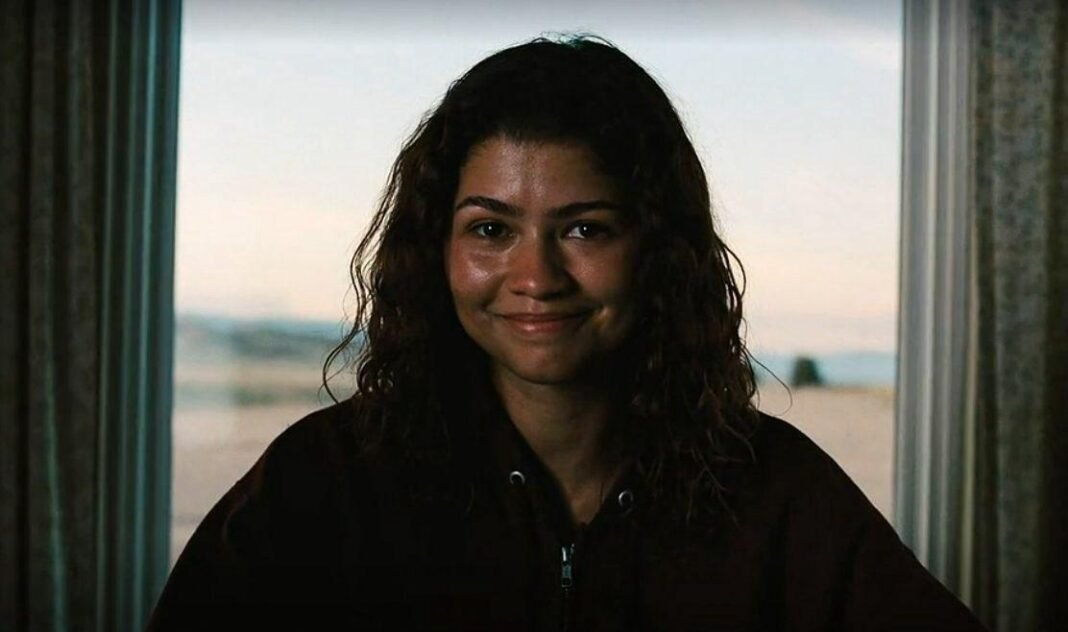
In a devastating twist, Alamo offers Rue Percocet pills tainted with fentanyl. Succumbing to temptation while resting on Ali’s couch triggers her fatal relapse. During her final moments under influence-induced hallucinations-where she envisions fez escaping prison-Rue reflects on her turbulent addiction journey before quietly passing away.
The Real-Life Tragedy Behind Rue’s Fate
The decision to end Rue’s story so tragically was deeply influenced by real-world events-the untimely passing of Angus Cloud at 25 due to an accidental overdose profoundly shaped this narrative choice. This storyline highlights stark realities surrounding addiction today; fentanyl-related fatalities have surged alarmingly worldwide-with over 100,000 overdose deaths annually reported across North America alone according to recent statistics-underscoring how swiftly lives can be lost without warning or second chances.
This somber conclusion immerses viewers into the grief endured by families who lose loved ones unexpectedly due to substance abuse complications. It challenges audiences emotionally by confronting them directly with harsh truths rather than offering typical redemption arcs frequently enough seen in addiction dramas.
Biblical Imagery Interwoven Through Rue’s Journey
Throughout Season 3, Rue experiences spiritual awakenings where she interprets signs around her as divine messages-a theme culminating poignantly when she compares herself to Moses witnessing the burning bush but never reaching promised salvation. Her death echoes this allegory: though she does not survive physically or spiritually within the story world, her actions indirectly dismantle Laurie’s criminal network through arrests triggered after her passing.
The Climactic Confrontation: Ali Versus Alamo Explained
Mourning Rue fuels Ali’s relentless quest for revenge against Alamo at his nightclub-a setting where Maddy maintains their uneasy alliance. While Alamo feigns desires for domestic peace, he reveals his ruthless nature when using Maddy as human cover during Ali’s assault.
- A Modern Western Duel: Adopting his cowboy persona complete with pistol attire reminiscent of classic Western standoffs, Alamo challenges Ali to draw guns only after hearing a champagne bottle drop-but cheats by firing early only to find his weapon empty due to Bishop’s covert betrayal behind-the-scenes.
- Bishop Revealed: Once seen as one of Alamo’s more rational henchmen among criminals loyalists,Bishop ultimately betrays him during this pivotal moment-his duplicity foreshadowed metaphorically through stories likening him to a python silently stalking prey before striking unexpectedly.
Bishop’s Complex Reasons for Betrayal
bishop wrestled internally over violent acts committed under Alamo’s orders yet tolerated much brutality common within their illicit operations-including poisoning victims like Rue-which raises questions about why he chose this moment for treachery against both Maddy and Ali.
Whether driven by genuine concern or opportunistic timing remains ambiguous; perhaps protecting certain individuals justified breaking ranks or he waited patiently until chaos created ideal conditions for switching sides decisively.
This nuanced portrayal adds depth beyond simple villain archetypes often assigned within crime dramas where loyalty shifts unpredictably amid gang power struggles linked historically with rising violence nationwide each year according FBI organized crime reports on evolving trends.
The Aftermath: Life Beyond Violence and Loss
- Maddy attains freedom following downfall of Alamo;
- Cassie continues building income streams via social media platforms similar to OnlyFans amid growing digital creator economies;
- Lexi develops newfound interest in spirituality inspired by religious texts left behind by Rue;
- Nate faces grim consequences inflicted by loan sharks reflecting ongoing cycles exploiting vulnerable youth;
- Jules recedes into background narratives highlighting fractured relationships shaped throughout series progression;
The finale closes poignantly as ali returns home-to Jerusalem-to inform those spiritually connected places where rue found solace about her passing.
The final image shows an American flag waving alongside rue whispering “God bless us all,” which can be interpreted either ironically given prior cynicism or sincerely reflecting hopefulness amidst darkness permeating modern storytelling focused increasingly on mental health awareness globally as early 2020s pandemic era shifts.
A Message Beyond Despair: Seeking Light Within Darkness
“Embracing belief transformed my outlook,” shared regarding faith influencing creative direction behind Euphoria. “I reject nihilism pervasive today; rather I aim through art not just depict despair but offer glimpses toward redemption.”