Safeguarding Young Online stars: Evolving Laws and worldwide insights
The influencer industry is experiencing unprecedented expansion, with forecasts predicting growth from $31 billion USD in 2023 to an estimated $135 billion USD by 2028. This surge has brought attention to a critical issue: the vulnerability of children who gain fame as online personalities, often called kidfluencers. Around the globe, policymakers are striving to create safeguards that protect these young creators from exploitation linked to commercial demands and parental pressures.
international Efforts to Protect Child Influencers
In recent developments, the European Union has introduced measures aimed at banning social media platforms from providing financial or material incentives specifically for content created by minors. This initiative is part of a larger effort to strengthen protections for children in digital environments. The EU’s strategy echoes Australia’s pioneering legislation that restricts social media access for users under 16 without parental approval and prohibits accounts for those younger than 13 altogether.

The rise of lucrative endorsement deals-where leading child influencers can earn several million dollars annually-has sparked concerns about parents perhaps coercing their children into relentless content production purely for financial gain.While countries like France have updated labour laws granting child influencers protections similar to those given child actors-including regulated working hours and mandatory trust funds holding earnings until adulthood-many nations still lack specific regulations addressing this emerging trend.
Canada’s Current Legal Landscape on kidfluencing
Despite increasing global focus on this issue, Canada presently does not possess dedicated legislation regulating kidfluencing activities. The federal government’s proposed Online Harms act in 2024 did not incorporate provisions related to child influencers before legislative progress was halted due to an election call.
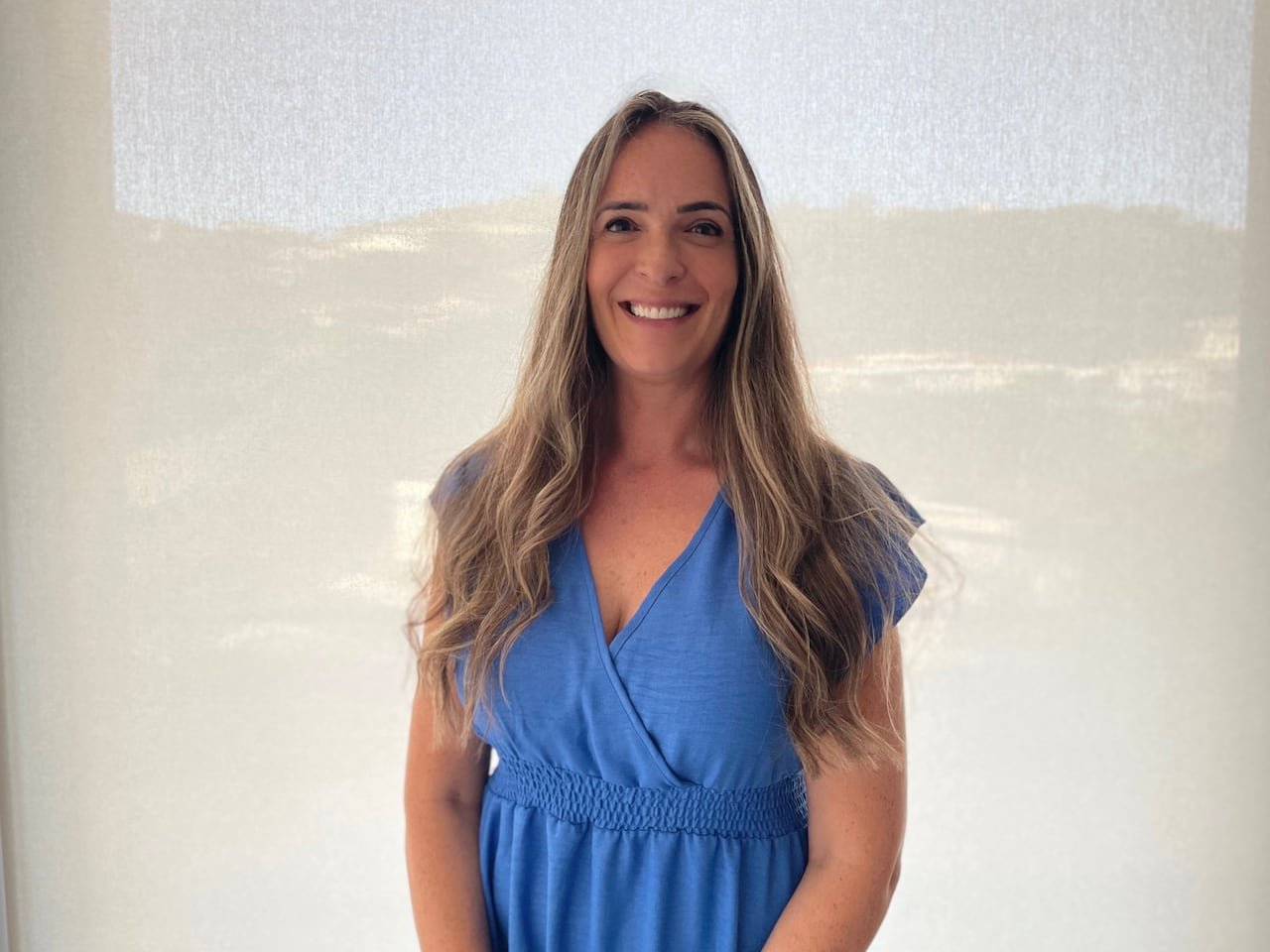
Mama Bee (Rossana burgos), a prominent Canadian family influencer, stresses that regulation is essential but cautions against prohibiting kidfluence entirely as it may limit children’s creative freedom and self-expression. Her family maintains a healthy balance between brand collaborations and their children’s welfare by filming after school hours and ensuring equal ownership among all family members once revenue streams begin.
Diverse Perspectives on Restricting Paid Kidfluence
Kabir Leduc, CEO of Montreal-based talent agency Dulcedo-which represents over a thousand clients including actors and influencers-advocates for banning paid kidfluence altogether due to fears that financial hardship might drive some parents toward exploiting their children’s online presence.
;)
kara brisson-Boivin from Media Smarts highlights the challenge of balancing protection against financial exploitation with preserving opportunities for youth creativity nurtured through digital platforms-a nuanced debate shaping policy discussions worldwide.
The Challenge of Defining & Enforcing Kidfluencer Regulations
the home-based nature inherent in social media content creation complicates enforcement efforts considerably; legally distinguishing between professional “kidfluenicing” versus casual family posts remains unclear. Samuel Dahan ,associate professor at Queen’s University Faculty of Law explains that differentiating informal appearances from commercial endorsements presents obstacles when drafting effective laws or monitoring compliance remotely across jurisdictions.
A Global Overview: Varied Approaches To Child Influencer Protection
- Minnesota: Prohibits monetized content involving minors under fourteen unless strict regulatory conditions are met;
- France: Applies labor protections akin to those governing child performers including limited working hours plus compulsory savings accounts securing earnings until maturity;
- The United States:
- The European Union:
A Practical Regulatory Model For Canada?
Dahan suggests adapting existing frameworks designed originally for child actors could provide an efficient blueprint rather than crafting entirely new laws-a strategy likely accelerating protective measures without unnecessary reinvention within Canada’s legal system.
The Broader Impact: How EU Policies May Influence Global Standards
If adopted into law following current proposals, EU regulations could spark meaningful changes beyond Europe because multinational technology companies often implement uniform policies worldwide instead of maintaining fragmented regional rules-a phenomenon known as “the Brussels effect.” For example, Apple standardized charging ports globally after EU mandates required uniform connectors within member states; similarly,social media platforms might enforce consistent restrictions or controls regarding minor users internationally once compelled by brussels’ directives.