Decoding the Real Motivations Behind US Involvement in Venezuela
Escalating Military Actions and Economic Sanctions: A Complex US-Venezuela dynamic
In early September, the United States disclosed grainy footage depicting a missile strike that obliterated a fishing boat near Venezuelan shores, resulting in eleven immediate fatalities. While American officials described those killed as narcoterrorists, Venezuelan authorities insisted they were local fishermen. This initial assault was followed by at least 22 more strikes attributed to US forces, collectively causing 87 deaths. Investigations uncovered that one attack included a secondary strike targeting survivors clinging to debris-an act potentially violating international humanitarian law.
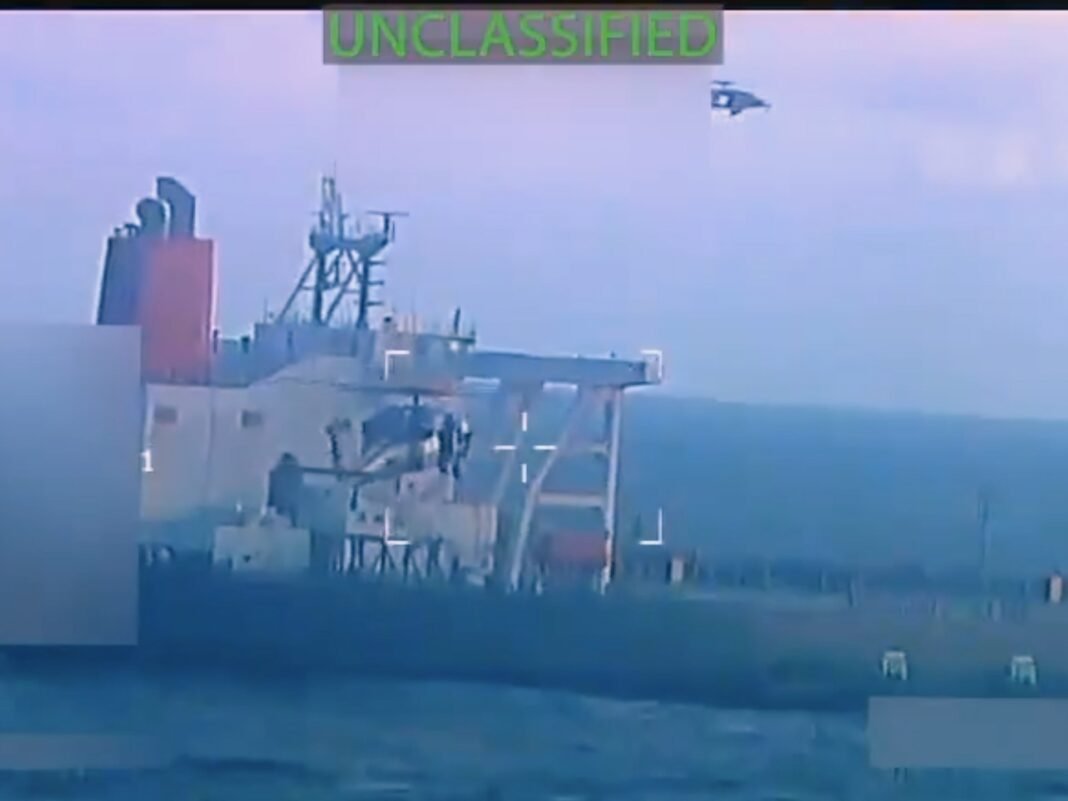
Tensions intensified when the US seized an oil tanker within Venezuela’s territorial waters-a move Caracas condemned as outright theft and piracy under international law. This incident highlights Washington’s growing reliance on economic pressure alongside military interventions to influence venezuelan affairs.
Dispelling Myths: Oil Is Not the Primary Driver
The widespread assumption that control over Venezuela’s vast oil reserves fuels these actions dose not align with current realities.The United States remains the world’s top oil producer, exporting millions of barrels daily without facing shortages necessitating military involvement. Although Venezuela boasts approximately 303 billion barrels of proven crude reserves-the largest globally-its energy infrastructure has deteriorated drastically over decades of mismanagement and sanctions.
Production has nosedived from roughly 3.2 million barrels per day in 2000 to under one million today due to neglect and political turmoil. Revitalizing this sector would demand investments exceeding $60 billion just for infrastructure upgrades amid ongoing instability-a costly endeavor unlikely without important political change.
Moreover, legal mechanisms exist for accessing Venezuelan oil supplies through sanction relief or expanded operations by companies like Chevron, which currently contributes about 25% of venezuela’s remaining output via existing agreements-demonstrating alternatives beyond military coercion or unilateral action.
The Underlying Stakes: Beyond Energy Resources
The true incentives behind Washington’s approach appear rooted less in crude extraction than in securing lucrative reconstruction contracts, mining rights-including rare earth minerals-and geopolitical influence following any potential regime shift in Caracas. Private equity firms and defense contractors stand poised to gain substantially from such developments, indicating motivations extending beyond traditional energy interests into broader strategic gains.
Expanding executive Authority Through Emergency declarations
The crisis surrounding Venezuela serves largely as a pretext for broadening presidential powers via emergency declarations rather than solely addressing drug trafficking or resource concerns. As 2015, the US government has maintained an active national emergency related to Venezuela under the national Emergencies Act-unlocking over 120 statutory powers such as asset freezes, trade embargoes, and military deployments without requiring congressional consent or oversight.
This authority has been progressively extended across administrations by designating criminal groups linked with Venezuela as foreign terrorist organizations; broadly redefining government-affiliated entities; imposing tariffs on nations importing Venezuelan petroleum; and authorizing covert naval operations against latin American drug cartels using Navy assets rather of traditional Coast Guard enforcement methods-a notable policy shift toward militarized tactics.
A New Era of militarized Rhetoric and Policy Approaches
Senior officials have increasingly framed their efforts against narcotics trafficking using quasi-warfare language rather than conventional law enforcement terminology. Defense leaders have pledged aggressive pursuit strategies including lethal force against cartel networks while some policymakers portray Maduro’s regime not only as illegitimate but complicit in transnational drug smuggling-justifying direct attacks on state actors under criminal prosecution grounds rather than diplomatic engagement.
lack of Congressional Oversight Enables unchecked Military Operations
This expansion of executive power coincides with minimal legislative scrutiny despite deploying what is now considered the largest US military presence ever recorded in Latin America since Cold War times-including carrier strike groups equipped with B-52 bombers and F-35 fighters alongside submarines totaling more than 15,000 personnel operating regionally.
Bipartisan members of Congress have voiced frustration at being excluded from critical information such as legal rationales behind strikes or identities connected to casualties caused during these overseas operations. Efforts within Congress aimed at limiting presidential authority regarding interventions in venezuela have repeatedly failed while classified briefings provide little clarity-such as when defense officials refused requests for unedited combat footage documenting attacks abroad.
Toward Permanent Emergency Powers? The Risk Ahead
A concerning pattern emerges were emergency powers invoked during crises like those involving Venezuela tend toward becoming permanent tools enabling unilateral military action absent formal war declarations or democratic checks.
This normalization risks transforming targeted interdiction missions into expansive campaigns focused on regime destabilization conducted solely at executive discretion-with profound implications for constitutional governance worldwide.
The Human Cost Beneath Political Strategies
Beyond geopolitical calculations lies immense human suffering: over seven million Venezuelans have fled their contry amid economic collapse worsened by political repression compounded further by external pressures that fuel instability rather of alleviating it.
Civilians who remain face escalating dangers directly tied to conflicts engineered far beyond their borders-not liberation but collateral damage masked beneath counter-narcotics rhetoric serving distant power struggles’ agendas.
A Constitutional Challenge With Global Ramifications
This crisis ultimately exemplifies not merely resource acquisition attempts but also consolidation of executive power leveraging foreign policy emergencies like Venezuela’s turmoil.
The essential question confronting democracies worldwide is whether compromising constitutional principles domestically-to pursue regime change abroad-is justifiable regardless of international norms.
If unchecked trends continue through precedent-setting actions today they will reverberate far beyond any single management tomorrow-with consequences threatening democratic governance itself across multiple global contexts.