California DMV Challenges Tesla’s Claims on Autopilot and Full Self-Driving Features
Regulators Question Tesla’s Advertising Accuracy
The California Department of Motor vehicles (DMV) has taken issue with Tesla’s promotional descriptions of its “autopilot” and “Full Self-Driving” (FSD) capabilities, labeling them as misleading. A state administrative law judge concluded that Tesla’s marketing falsely suggests these systems provide fully autonomous driving, wich is not supported by current technology. Consequently, the DMV has proposed suspending Tesla’s vehicle sales and manufacturing licenses in California for 30 days.
Suspension Threat looms with Opportunity to Amend
The DMV first raised concerns about deceptive advertising practices in 2022, emphasizing that many consumers misunderstand the actual functionality of Autopilot and FSD features. Following a judge’s recommendation, the agency adjusted its penalty but granted Tesla a 60-day window to revise any misleading statements before enforcing license suspensions related to vehicle sales.
While potential suspension targets sales operations, manufacturing permits remain unaffected for now as the DMV has paused action against production activities.
Decoding Misinterpretations Around Full Self-Driving Technology
A central point of contention is how buyers interpret “Full Self-Driving.” The ruling highlighted that an average consumer might reasonably believe this feature allows hands-free driving without active attention-an assumption at odds with both technological realities and legal requirements. This discrepancy violates California laws mandating truthful advertising for automotive technologies.
Tesla Addresses Regulatory Concerns Amid Legal Pressure
Tesla responded by framing the ruling as a matter focused on terminology rather than product safety or performance flaws. The company emphasized that regulators did not cite any customer complaints during their examination and assured stakeholders that vehicle sales within California would continue uninterrupted despite regulatory scrutiny.
Lawsuits Reflect Growing Consumer Doubts Over Autonomous Claims
Despite official reassurances minimizing complaints, Tesla faces ongoing class-action lawsuits filed in Northern California alleging customers were misled about their vehicles’ self-driving abilities over several years. These legal challenges highlight increasing skepticism among drivers regarding discrepancies between marketed capabilities and real-world performance of autonomous features today.
Tesla Shares Hold Strong Amid Controversy
investor confidence remains resilient despite regulatory hurdles; recently, Tesla stock reached new highs driven by optimism around future innovations such as robotaxi services utilizing advanced driverless platforms. This bullish sentiment mirrors broader market expectations for electric vehicle manufacturers expanding into autonomous mobility solutions worldwide.
The Complex Reality Behind Electric Vehicle Depreciation Rates
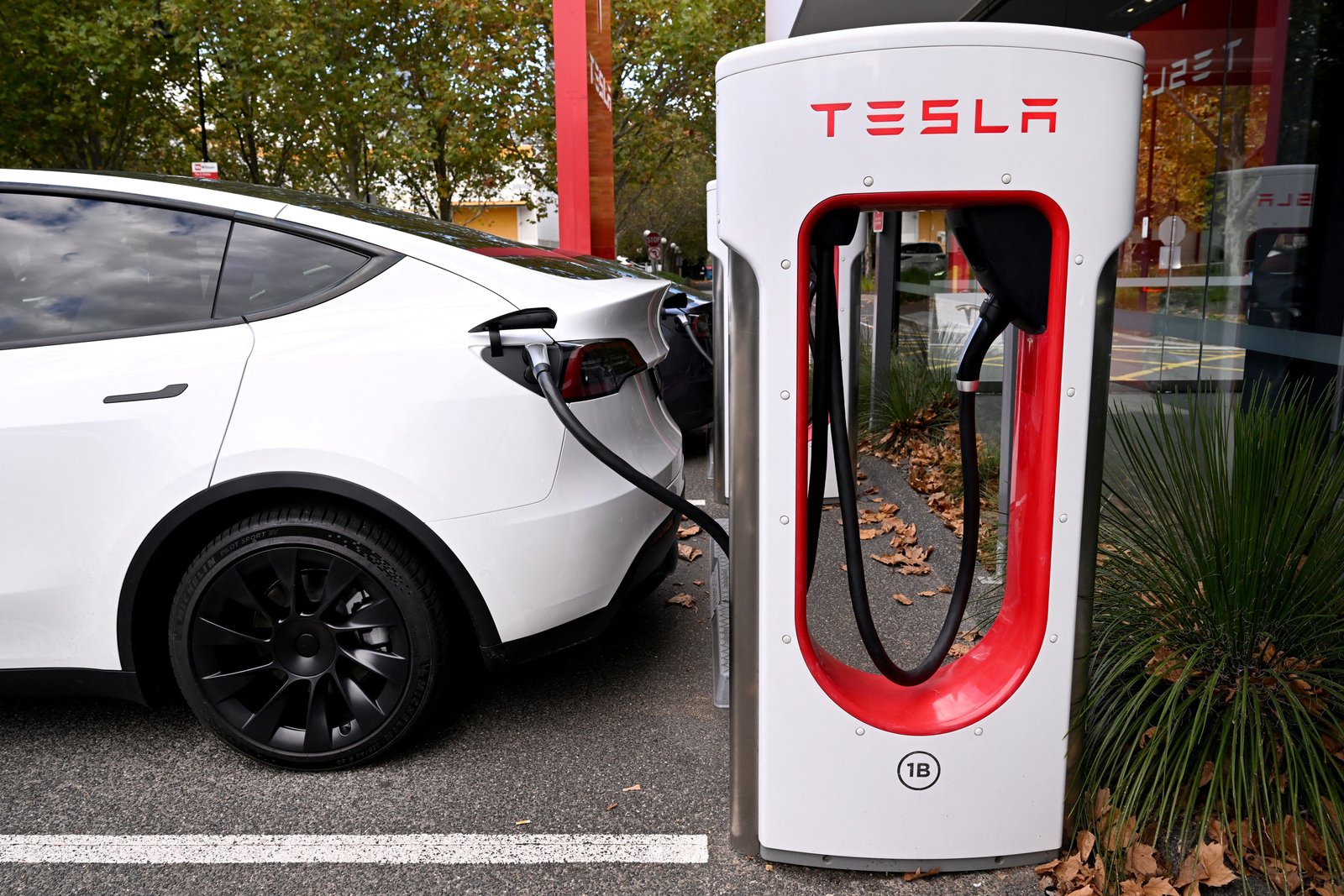
“Electric vehicles ofen experiance sharper depreciation compared to traditional cars due to rapid advancements in technology and fluctuating battery costs,” experts note-highlighting challenges consumers face when reselling EVs amid fast-evolving innovation cycles.”
The True meaning Behind “Full Self-Driving” today
- No Hands-Free Driving: Despite suggestive branding, drivers must stay alert with hands ready while using FSD functions at all times.
- Technology still Developing: Current systems assist with steering or braking but do not replace human decision-making entirely.
- User responsibility Is Key: Safety depends heavily on driver vigilance even when advanced assistance modes are active.
- Naming Creates Expectations: Terms like “autopilot” can lead consumers unfamiliar with technical limits to overestimate system capabilities.
The Road Ahead: Regulatory Scrutiny & Industry Evolution
This case illustrates growing governmental oversight aimed at protecting consumers from exaggerated claims amid surging global electric vehicle adoption-with nearly 14 million EVs sold worldwide in 2023 alone according to recent statistics. Automakers face increasing pressure to balance innovative marketing approaches while clearly communicating what current technologies can safely deliver versus future advancements still under growth.