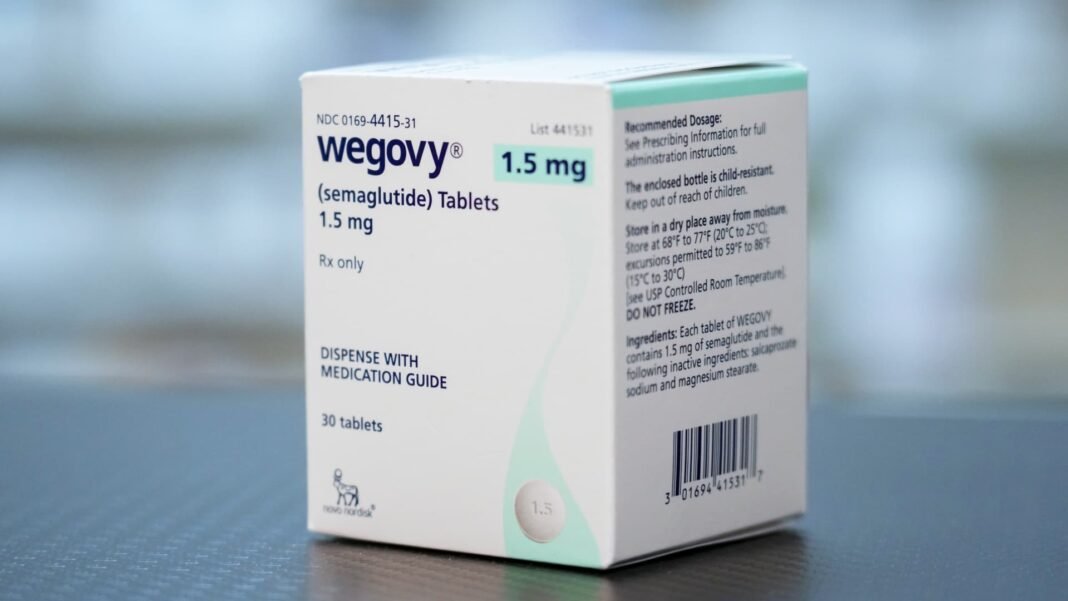
Revolutionizing Obesity Management: Novo Nordisk’s Oral Weight Loss Solution

Breaking barriers: Oral Medication Expands Obesity Treatment Access
Obesity remains a complex health challenge for millions, with manny individuals finding limited success through conventional diet and exercise alone. Take the case of Jane Zuckerman,a 32-year-old data analyst from Washington,D.C.,who initially lost 90 pounds during college but regained weight during the pandemic,reaching 270 pounds. Her reluctance to try injectable GLP-1 therapies due to needle anxiety changed when Novo Nordisk introduced its first oral GLP-1 pill in early 2026.
After starting this oral treatment, Jane experienced an encouraging initial drop of about 11 pounds within just one month. Her story exemplifies a growing wave of patients who are now opting for oral options over injections-largely because these pills eliminate needle-related fears and often come at more accessible price points.
the Wegovy Pill’s Rapid Market Penetration and Patient Adoption
Novo Nordisk’s Wegovy pill has swiftly reshaped obesity care by appealing to those previously deterred by injections or high costs. Studies indicate that nearly 25% of adults in the U.S. suffer from some form of needle phobia-a notable barrier overcome by this convenient oral option.
The medication achieved over 600,000 prescriptions within its first three months on the market and saw upwards of 3,000 new users initiating therapy in just one week after launch. Its monthly cost ranges between $149 and $299 depending on dosage-substantially lower than many injectable GLP-1 treatments that can exceed $1,000 before insurance coverage.
This combination of affordability and association with the trusted wegovy brand has attracted predominantly new users rather than converting existing injection patients.
A Competitive Landscape emerges
Novo nordisk currently enjoys an early lead; however, Eli Lilly recently secured approval for foundayo-another oral GLP-1 drug that does not require dietary restrictions like Novo’s formulation. This difference may influence patient preferences as competition intensifies.
Despite strong initial uptake for Wegovy pills, maintaining market dominance will be challenging amid expanding alternatives from Lilly and others. Industry forecasts project total sales from the Wegovy family could climb from $13.5 billion in 2026 to nearly $19 billion by 2031-with pills contributing close to $2.8 billion annually during this period.
Why Patients Favor Oral Pills Over Injectable Therapies
- No Needle Anxiety: Fear or discomfort related to needles prevents many people from pursuing injectable treatments; taking a pill removes this psychological hurdle entirely.
- Improved affordability: High out-of-pocket expenses or lack of insurance reimbursement have historically limited access; lower cash prices make these medications attainable even without comprehensive coverage.
- Easier Governance: Pills offer greater convenience compared with weekly injections requiring refrigeration and careful handling-especially beneficial for busy individuals or frequent travelers.
The Influence of Cost on Treatment Choices
Amy Sawyer-Williams from Raleigh faced insurance denials covering branded GLP-1 injectables despite qualifying medically due to her history with gestational diabetes progressing toward prediabetes after childbirth years earlier. Before recent price reductions (effective late 2027) lowered costs near $1000/month for shots like Ozempic or Wegovy injectables, Amy resorted to off-label generic combinations at home until her endocrinologist recommended trying Novo Nordisk’s newly available low-cost ($149/month) starting dose pill earlier this year-making her among the first nationwide regular users since January at local pharmacies.
User Insights: Early Benefits Coupled With Challenges
Sustained Appetite Suppression & Consistent Weight Reduction
Zuckerman reported immediate appetite control upon beginning treatment: cravings diminished rapidly-including indulgences such as creamy coffee drinks and comfort foods like bread and fries-and nausea side effects subsided after two weeks.
“My clothes fit better already,” she shared enthusiastically; “I feel energized.” Similarly aged Cherie Marcus noted steady progress losing about one pound per week over seven weeks while monitoring improved blood sugar levels linked closely with reduced hemoglobin A1c following decades-long increases post-pregnancy.
Marcus plans gradual dose escalation if weight loss plateaus but remains optimistic about long-term use aiming toward approximately thirty pounds lost-a goal consistent with clinical trials showing average reductions between 10%-15% body mass over six months at higher doses.
Courtney Kim-a Pittsburgh mother struggling postpartum despite not meeting strict obesity criteria-noted positive results losing nearly seven pounds as mid-February initiation without significant side effects while carefully increasing dosage under medical supervision.
Navigating Side Effects & Dosage Adjustments
- Certain patients experience gastrointestinal issues such as nausea or vomiting severe enough to require temporary breaks or dose reductions;
- Lifestyle challenges arise because pills must be taken fasting (30 minutes before meals), complicating adherence;
- A minority find minimal effectiveness at lower doses prompting switches back toward injectable forms perceived as more potent;
“managing obesity is a marathon-not a sprint,” advise healthcare professionals emphasizing patience through gradual titration tailored around individual tolerability rather than rapid escalation alone.”
The Future Outlook: Questions Surrounding Long-Term Use remain
Diverse patient responses underscore ongoing uncertainties regarding optimal dosing personalized according to genetics, environmental factors including diet quality across diffrent age groups-and how these variables impact both efficacy and adverse event profiles beyond current trial durations.
Experts stress that having multiple therapeutic options enhances personalized care possibilities essential given metabolic disorders’ complexity where no single approach suits all cases equally well.
With Eli Lilly entering competition soon alongside anticipated innovations-including potential combination therapies-the evolving landscape promises richer data enabling clearer comparisons between injected versus orally administered agents ultimately improving global outcomes.
“Oral accessibility paired with affordability unlocks opportunities previously inaccessible,” clinicians hope these advances will dismantle barriers preventing millions worldwide living with excess weight-related health risks from timely effective treatment.”
A Personal Perspective: Embracing New paths Toward Healthier Lives
“At first I thought taking a pill was somehow ‘cheating’ compared with traditional dieting,” reflects Jane Zuckerman candidly discussing mindset shifts confronting stigma around pharmaceutical interventions versus lifestyle changes alone.”But eventually I realized stubbornness wasn’t worth risking my life battling severe complications directly linked back my untreated obesity.” She credits embracing novel treatments early allowed reclaiming control over health trajectory otherwise threatened severely by comorbidities commonly associated including type II diabetes risk elevation.”