Debate Over a Cherished Cartoon Icon and the Impact of AI Innovation
From Imaginative Origins to Corporate Disputes
Nearly a decade ago, Loryn Brantz created an endearing cartoon figure without foreseeing that it would later ignite a fierce intellectual property battle involving major entities such as BuzzFeed, Amazon’s streaming service, and generative artificial intelligence technologies. This unexpected conflict now defines her professional journey.
Brantz has voiced significant dissatisfaction with her former employer BuzzFeed, accusing the company of reneging on commitments made by its leadership. This perceived breach of trust has fueled public criticism from the artist herself.
The Journey of Cuppy: From Viral hit to Intellectual Property Controversy
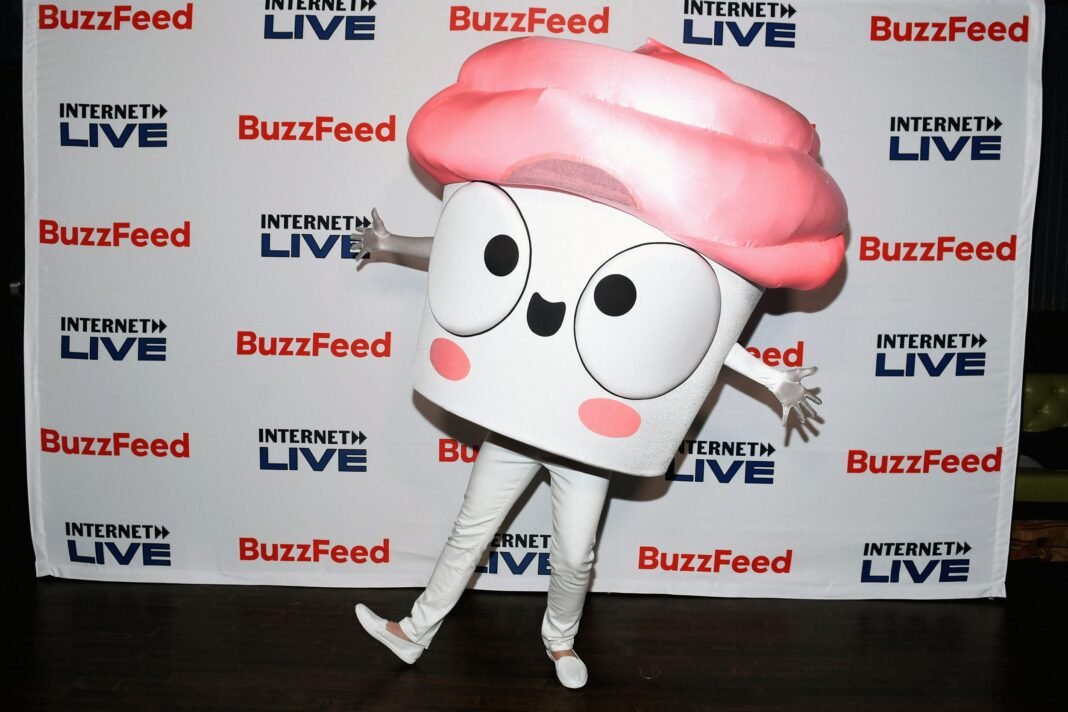
Back in 2017, brantz’s character-a sassy cupcake named Cuppy who dispenses candid advice-captured widespread attention across social media channels. The character’s mix of charm and straightforward motivational humor struck a chord; as an example, one comic depicted Cuppy encouraging readers to “seize life by the horns” when facing difficulties. This persona was deeply influenced by Brantz’s own resilient optimism.
Cuppy was originally developed as part of a children’s book proposal that was ultimately declined by a major publisher but found new momentum online before catching BuzzFeed’s eye. Between 2018 and 2019,BuzzFeed produced eight episodes under Good Advice Cupcake,tackling themes like overcoming personal struggles and coming out experiences.
The Intersection of AI Technology and Animation Production
Recent announcements reveal that BuzzFeed licensed Cuppy to Prime Video for an upcoming series titled Cupcake & Friends, which will integrate generative AI tools into its creative workflow. This initiative is supported by Amazon Web Services’ GenAI Creators’ fund program designed to promote innovative content through artificial intelligence advancements.
This move has raised concerns among artists worried about their work being transformed into “mechanical AI-driven puppetry.” Brantz publicly condemned these plans on social media platforms, urging fans to boycott both BuzzFeed and any animation projects influenced or created using AI technology.
The Shifting Landscape in Entertainment Media
The entertainment industry is rapidly evolving due to breakthroughs in AI-generated content creation. Companies like BuzzFeed have undergone multiple restructurings recently under new management focused on competing with giants such as YouTube through investments exceeding hundreds of millions in artificial intelligence enhancements.
Disputes Over Creative Rights and Control
Buzfeed asserts ownership over the intellectual property rights for cuppy since Brantz developed it during her employment there. A company representative expressed enthusiasm about reviving dormant properties using state-of-the-art technology combined with human creativity from skilled storytellers and animators involved in production efforts.
“Human imagination remains at the core,” says Jonah Peretti, president overseeing BuzzFeed’s AI initiatives. “AI functions as an aid enabling creation rather than replacing artists.”
Nevertheless,brantz contests claims that she received sufficient notification or consultation before these developments were publicly disclosed. She recalls being approached only after rumors circulated-and then only under conditions requiring nondisclosure agreements-which she declined due to concerns over openness and preserving artistic integrity.
A Plea for Ethical Integration of Artificial Intelligence in Creative Arts
Loryn challenges comparisons equating current generative AI techniques with earlier technological tools like photocopy machines used traditionally within animation workflows-arguing this analogy understates both scale and impact on authorship today.
“If anyone wishes to debate animation history or ethics openly,” Loryn declared emphatically via social media addressing industry leaders,“I am prepared.”
The Community Reaction & What Lies Ahead
Loryn’s outspoken stance against unregulated use of artificial intelligence has attracted broad support online; admirers commend her bravery confronting complex issues surrounding digital art ownership amid fast-changing technologies:
- A leading comment praised her honesty during what many consider an unprecedented challenge faced globally by creators;
- This controversy highlights escalating tensions between innovation-driven corporations leveraging IP assets versus individual artists striving for control over their creations;
- A recent survey indicates more than 70% within creative sectors express apprehension regarding how generative AI might affect future livelihoods;
- An increasing number of lawsuits worldwide address unauthorized usage or alteration via machine learning models;
- this case exemplifies wider debates balancing technological progress alongside respect for original artistry rights at scale today.
Navigating Complex Legal terrain Ahead
Loryn mentions exploring legal options but admits feeling less optimistic given ongoing complexities around adapting intellectual property laws for emerging technologies such as generative artificial intelligence integrated into entertainment production pipelines globally today.