GM Reintroduces cruise Robotaxis to Advance Driver Assistance Technology
Transitioning from Autonomous Ride-hailing to ADAS Development
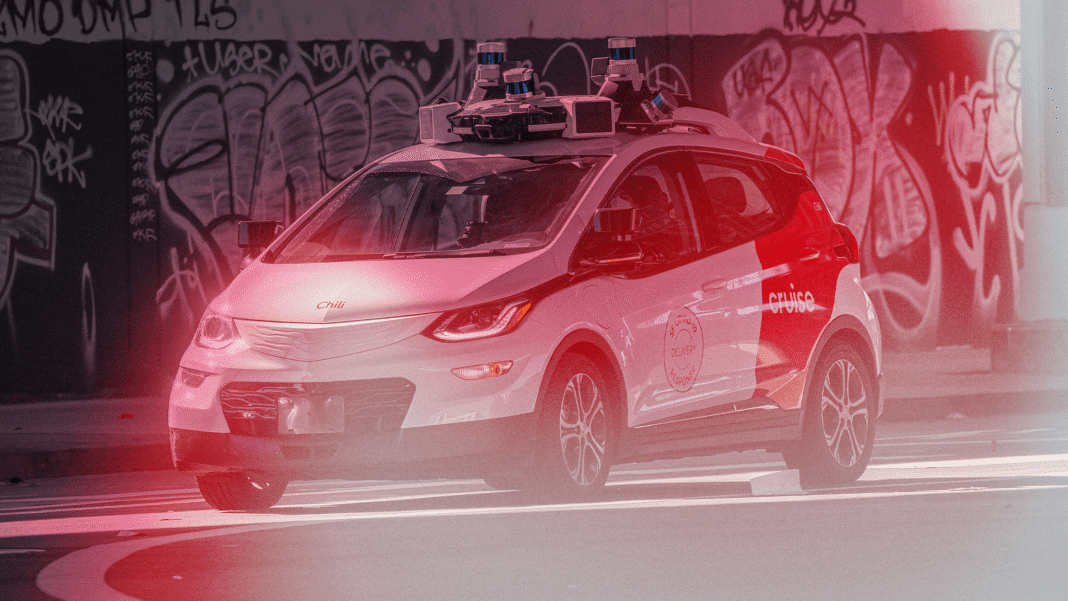
General Motors has quietly brought some of its Cruise robotaxi vehicles back onto public roads, repurposing them for a new mission. Although the company ended its self-driving taxi service last year, it is now leveraging a select fleet of these electric vehicles to push forward innovations in advanced driver assistance systems (ADAS).
Active Testing on Key California Thoroughfares
Recently, several GM Bolt EVs equipped with lidar and an array of sensors were observed navigating the San Francisco-Oakland Bay Bridge and Interstate 880 near Oakland. While human drivers remained behind the wheel during these trials, the sensor setups closely mirrored those used in Cruise’s original autonomous ride-hailing operations. one vehicle featured the name “Mint” on its hood but displayed no visible Cruise branding.
Scope and Locations of Current Trials
A spokesperson from GM confirmed that limited testing is ongoing with Cruise Bolts across select highways in Michigan, Texas, and California’s Bay Area. These exercises involve professional drivers gathering data aimed at refining simulation models and enhancing ADAS capabilities. Notably, these tests do not include passenger transport.
The Shift in Branding and geographic Expansion
After GM completed full ownership of Cruise earlier this year, all distinctive orange-and-white logos were removed from the fleet. Initial testing began around February in Michigan and Texas before expanding into San Francisco by mid-April. Each vehicle carries unique names; “Mint” remains one actively involved in recent evaluations.
A New Purpose for Hundreds of Dormant Robotaxis
This initiative represents GM’s strategy to breathe new life into hundreds of expensive robotaxi units left idle after halting their original deployment plans. The project traces back to GM’s majority stake acquisition in San Francisco-based Cruise starting 2016 with investments surpassing $8 billion aimed at launching an autonomous ride-hailing network.
Challenges That Altered strategic Direction
The ambitious rollout encountered significant setbacks following an incident last October when a Cruise vehicle struck a pedestrian who had already been hit by another manually driven car. This event led to intense regulatory scrutiny after authorities discovered misleading information had been provided regarding safety investigations.
“The fallout included revoked permits for autonomous operations alongside operational shutdowns and workforce reductions nearing 25%,” noted analysts monitoring developments within autonomous driving sectors.
Cessation of Robotaxi Services While Preserving Technological Gains
Despite efforts to resume services after this incident, GM ultimately decided late last year to permanently discontinue all robotaxi operations. Company executives cited high operational costs as detracting focus from their core automotive manufacturing buisness priorities.
Integrating Autonomous Innovations into Consumer Vehicles
The technology developed through Cruise continues playing a vital role in enhancing GM’s Super cruise system-an advanced driver assistance feature introduced on various models as 2017 that supports hands-free driving under specific conditions by assisting with lane keeping, automated lane changes without manual input, and emergency braking interventions.
- User Adoption: Nearly 60% of Super Cruise’s estimated 360,000 users nationwide regularly engage its features during highway travel.
- Safety Benefits: this automation aims at substantially reducing accidents caused by human error during freeway driving scenarios.
The Competitive Arena: Leaders Shaping Autonomous Driving Progress
The U.S. robotaxi sector remains largely dominated by Waymo’s extensive deployments; simultaneously occurring Tesla-with Elon Musk aggressively advancing-and amazon-backed Zoox continue pushing toward commercially viable solutions amid fierce global competition.
An Urban Landscape Filled With Sensor-Equipped Vehicles
The repurposed Bolt EVs blend naturally into busy city traffic like San Francisco where numerous cars outfitted with elegant sensor arrays are increasingly common-not only from automakers but also mapping firms collecting geospatial data or tech enthusiasts upgrading personal vehicles with state-of-the-art hardware packages for experimental use cases.